

 3 min read
 4
 Linkedin
 Threads
 Facebook
 X

Apple is preparing to take a bigger role in one of the fastest-growing areas of consumer technology: the connected home.
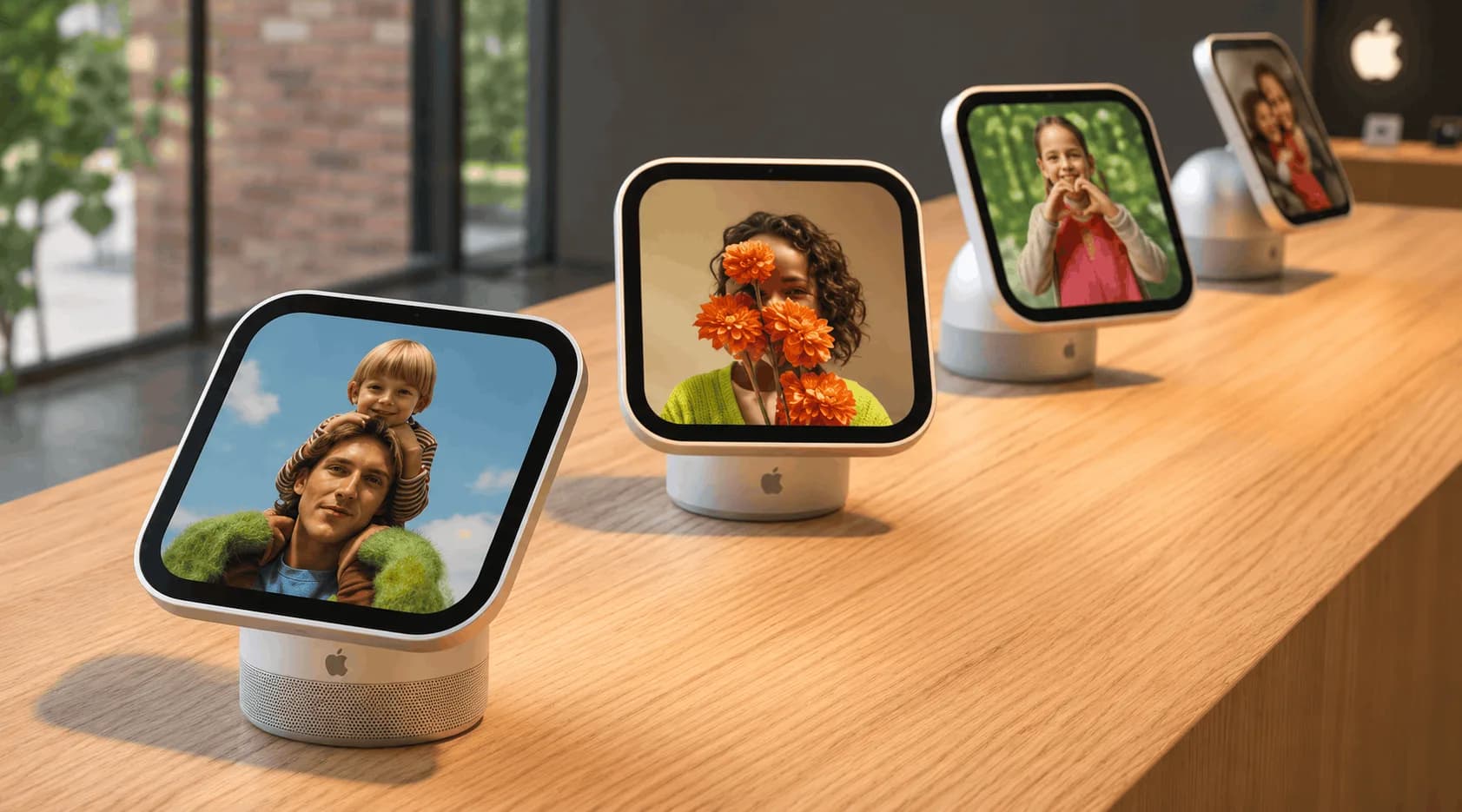
The company's upcoming HomeView smart home display is designed to serve as a central hub for managing compatible household devices, communicating with family members, and accessing Apple's growing ecosystem of services.
The development was highlighted, which examined Apple's plans to compete more directly in the smart home market.
The concept is straightforward: instead of controlling lights, cameras, thermostats, speakers, and other connected devices through multiple applications, homeowners could manage much of their digital household from one central screen.
The bigger opportunity is not simply selling another electronic device. It is making Apple an essential part of how people manage their homes every day.
A Central Screen for the Connected Home
Smart home technology has expanded considerably over the past decade.
American households increasingly use connected devices to manage lighting, security cameras, thermostats, door locks, entertainment systems, and household appliances.
But the experience can become complicated when products come from different manufacturers and require separate applications.
A dedicated smart home display offers a more convenient approach.
HomeView is intended to provide a central interface for controlling compatible devices and accessing household information.
A wall-mounted or countertop display could allow family members to check security cameras, adjust lighting, communicate with other rooms, and manage everyday routines without reaching for a smartphone.
For households already invested in Apple's ecosystem, the product could make connected-home management more accessible.
Apple Wants a Bigger Role in Artificial Intelligence
Artificial intelligence is becoming an important part of the competition between smart home platforms.
Voice assistants are evolving beyond basic commands such as turning on lights or checking the weather.
The next generation is expected to understand more complicated requests, recognize household routines, and coordinate multiple devices.
Apple has been developing its Apple Intelligence platform and expanding its efforts to integrate AI capabilities into its products.
A dedicated home display could provide a natural place to bring those capabilities together.
Imagine asking an assistant to prepare the house for bedtime by adjusting compatible lights, checking door locks, lowering the thermostat, and setting an alarm.
Instead of issuing separate commands, users could eventually manage several household functions through a single interaction.
The effectiveness of that experience will depend on software capabilities, device compatibility, and how reliably the system understands individual requests.
Competition With Amazon and Google
Apple is entering a market where established competitors already have significant advantages.
Amazon offers Echo devices and Alexa, while Google provides Nest displays and its connected-home ecosystem.
Both companies have spent years developing relationships with smart home manufacturers and building voice-controlled services.
Apple's advantage is its existing customer ecosystem.
Millions of people already use iPhones, iPads, Apple Watches, and other Apple products.
A smart home display could strengthen those relationships by making Apple's services part of everyday household routines.
The competitive question is whether Apple can offer enough convenience and compatibility to convince consumers to choose its platform over existing alternatives.
For customers, competition could encourage better products, improved software, and more integrated household technology.
What Smart Homes Mean for American Families
The growth of connected-home technology has practical implications beyond convenience.
Security cameras and connected doorbells can help homeowners monitor their properties.
Smart thermostats can help manage heating and cooling schedules.
Automated lighting can simplify everyday routines and improve household accessibility.
For families with elderly relatives or individuals with mobility limitations, voice-controlled systems and centralized displays may also make certain tasks easier.
These technologies can help households manage their time and property more efficiently.
However, consumers should consider privacy, internet requirements, subscription costs, and compatibility before investing in a connected-home ecosystem.
The value of a smart home depends on whether its technology genuinely simplifies daily life.
The Business Behind the Smart Home
For Apple, a successful home display could create opportunities beyond the initial hardware sale.
A household that adopts the platform may purchase additional compatible accessories, subscribe to services, and remain more closely connected to Apple's ecosystem.
Manufacturers of smart lighting, security equipment, appliances, and home networking products could also benefit from increased demand for compatible devices.
The wider smart home market creates opportunities for software developers, electronics manufacturers, installation professionals, and technology service providers.
As homes become more connected, reliable integration and technical support will become increasingly important.
The Future of the American Home
The competition for the smart home is ultimately a competition for the relationship between technology and everyday life.
Apple, Amazon, and Google are developing platforms designed to make household technology more intuitive and interconnected.
A successful system could reduce the time people spend managing individual devices while giving families greater control over their homes.
The next challenge will be making these systems secure, affordable, reliable, and easy enough for everyone in the household to use.
The future of the smart home will not be determined by how many connected devices a family owns. It will be determined by how effectively those devices work together to make everyday life safer, simpler, and more convenient. Apple wants to become the platform that makes that future possible.