
 3 min read
 22
 Linkedin
 Threads
 Facebook
 X

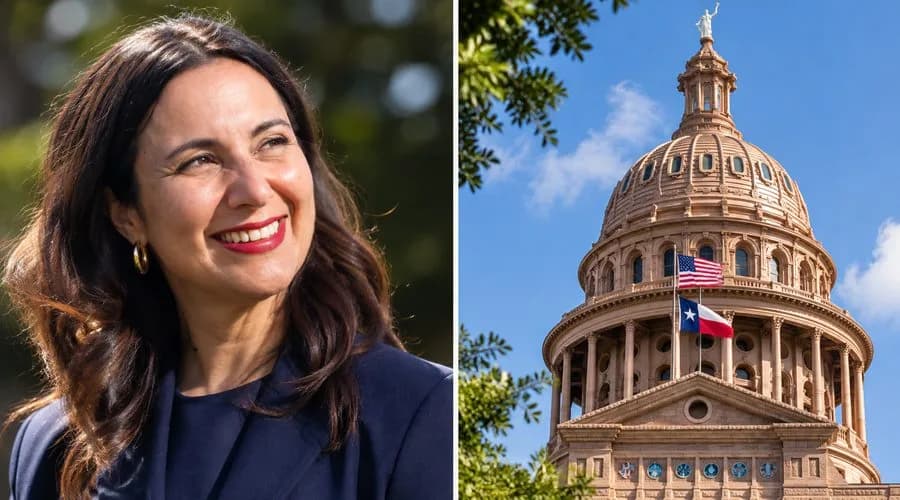
AUSTIN, TEXAS — November 9 marked the first opportunity for Texas lawmakers to file legislation for the 2027 session. Democrats immediately introduced proposals addressing semiautomatic firearms, private gun sales, age restrictions, firearm reporting, and court-ordered weapon removal.
The National Rifle Association identified approximately 35 firearm-related proposals filed on opening day, many of which it opposes.
The timing is politically significant. Democrats have won the Texas House and governor's office, while Republicans retain control of the Senate.
What the Proposed Gun Laws Would Change
Among the measures filed:
SB 80: Ban on "assault weapons," including possession
HB 173: FELONY to transfer many semiautomatic rifles to adults under 21
HB 712: Lets cities and counties chip away at statewide gun protections
HB 613: Background checks on private gun sales
HB 659: Dealers must report who owns firearms and how many magazines.
HB 218: would also repeal the 2025 Texas law that BANNED red flag orders.
These proposals have been filed, not enacted. The legislative session begins January 12, 2027.
The only thing standing in the way right now the Republican Texas Senate!
We the People: The Constitutional Question
The Second Amendment protects an individual right to keep and bear arms. That right has particular significance in Texas, where firearms have long been associated with personal protection, hunting, and the state's political identity.
The Constitution begins with a declaration of popular sovereignty: “We the People.”
Those words establish that government derives its authority from the people—not the reverse.
The central debate is whether the proposed restrictions appropriately address public safety or impose unconstitutional burdens on lawful gun owners.
Consider the implications for an 18-year-old adult, a family transferring a firearm privately, or a person facing a temporary court order before receiving a full hearing.
Each proposal raises questions about constitutional protections, due process, and the balance between public safety and individual liberty.
There is a reason why they come for your guns....... 🚨 TEXAS DEMOCRATS GO AFTER THE SECOND AMENDMENT! THE FOUNDING FATHERS ALREADY SETTLED THIS IN 1791! 🇺🇸 Texas Democrats wasted no time introducing a wave of firearm restrictions following their election victories. Among the proposals are restrictions on certain semiautomatic rifles, expanded background-check requirements for private firearm sales, additional reporting requirements for gun dealers, and an attempt to repeal Texas protections against red flag orders. Let's make something perfectly clear. The Second Amendment wasn't written to give politicians permission to decide who deserves the right to bear arms. It was written to protect the people's right from government infringement. The Constitution states: “...the right of the people to keep and bear Arms, shall not be infringed.” The Founding Fathers understood the dangers of concentrating power in government. That's why constitutional rights exist in the first place. Now Texas lawmakers want to introduce restrictions that raise serious questions about constitutional protections and due process. These bills have NOT become law, and the Republican-controlled Texas Senate remains a major obstacle. Rights are not privileges handed out by politicians. 🇺🇸 THE CONSTITUTION IS NOT A SUGGESTION. #SecondAmendment #2A #TexasPolitics #GunRights #Constitution
— Dreamrideguardian (@Dreamrideguard) November 10, 2026
The Republican Senate Becomes the Legislative Check
Texas's divided government means the proposals cannot become law through the House and governor alone.
They must also pass the Republican-controlled Senate.
That is precisely why the separation of powers matters. A legislative majority in one chamber cannot unilaterally rewrite statewide firearm laws.
The coming session will determine which proposals advance, which are amended, and which fail.
A Separate Public-Safety Question
Allegations concerning unlawful weapons storage at religious facilities also deserve attention when supported by credible evidence.
Texas authorities should investigate specific reports of illegal firearms possession, trafficking, or weapons-related criminal activity at any institution, including mosques, churches, schools, or community centers.
Religious affiliation alone is not evidence of a crime. Any search, seizure, prosecution, or immigration action must follow applicable law and individual due process.
Texas Enters a Constitutional Showdown
The proposed legislation has brought firearm regulation to the forefront before the new administration has even taken office.
The next steps will involve committee hearings, public testimony, legislative negotiations, and possible constitutional challenges.
The central question is not simply who controls Austin. It is how Texas will reconcile the authority of elected lawmakers with the constitutional rights of the people they represent.