

 3 min read
 4
 Linkedin
 Threads
 Facebook
 X

Artificial intelligence is changing how Americans shop, communicate, manage finances, and plan their travel. But United Airlines is making clear that not every digital assistant will be allowed to conduct business on its platform.
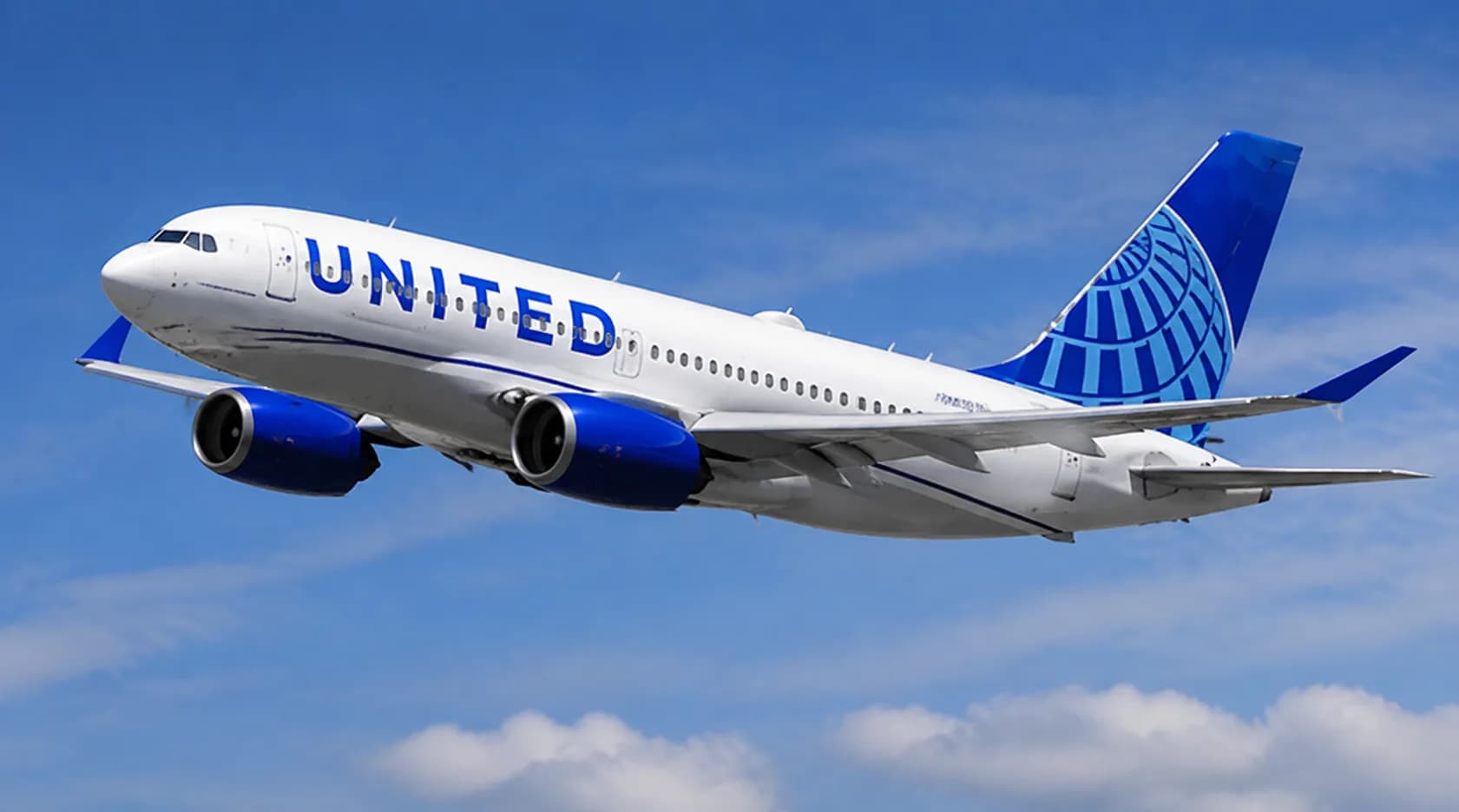
The airline announced new restrictions on unauthorized third-party AI agents, preventing them from accessing its systems to make bookings, purchase services, or manage customer reservations without authorization.
The announcement comes as AI assistants such as Meta's Muse and other autonomous agents become increasingly capable of completing tasks that previously required direct human involvement.
United's position is straightforward: customers should remain in control of their personal information, financial accounts, and travel decisions.
The decision highlights a major turning point for the AI industry. The technology is becoming powerful enough to conduct business, but companies must establish safeguards before allowing automated systems to operate inside sensitive commercial platforms.
Why United Is Restricting AI Booking Agents
United says allowing third-party AI assistants to access customer accounts creates several security concerns.
To purchase an airline ticket, an AI agent may require access to personal information, account credentials, and payment details.
That information can include names, travel itineraries, credit card numbers, passport details, and frequent-flyer account information.
If those credentials are exposed or mishandled, customers could face unauthorized transactions, account modifications, or the misuse of their MileagePlus loyalty miles.
The airline also warned that AI agents could make unintended purchases or change reservations without properly understanding a customer's instructions.
For a traveler, an automated mistake could mean purchasing the wrong ticket, changing a flight, or using valuable rewards points without intending to do so.
United is therefore updating its booking, ticketing, and distribution policies to restrict unauthorized AI access through its own digital platforms as well as travel agencies and booking aggregators.
The company says it will continue evaluating the technology as more secure ways of integrating AI become available.
Flight Safety Adds Another Layer of Concern
United's argument extends beyond protecting personal information.
The airline also raised concerns about automated systems potentially performing actions that require direct human acknowledgment under federal aviation rules.
One example involves flight check-in.
Passengers must personally confirm that their checked baggage does not contain prohibited materials, including explosives.
United argues that allowing an autonomous AI agent to complete this process without meaningful human involvement could create regulatory and safety complications.
This distinction is important because airline reservations involve more than ordinary online shopping.
Air travel operates under strict security procedures designed to protect passengers, airport personnel, aircraft, and the broader transportation system.
An AI assistant can help organize an itinerary or compare flight options, but certain responsibilities cannot simply be transferred to software without appropriate authorization and safeguards.
AI Agents Are Becoming Digital Personal Assistants
The decision comes during a period of rapid development in autonomous AI.
Traditional chatbots primarily respond to questions, generate information, and assist with research.
Newer AI agents are designed to take action.
They can search for products, compare prices, organize schedules, complete purchases, and interact with online services.
Meta's Muse, for example, is designed to help users delegate everyday tasks to an AI assistant.
Other emerging platforms are pursuing similar capabilities, including travel research and reservations.
The potential benefits are substantial.
A traveler could eventually ask an AI assistant to find flights within a specific budget, compare departure times, identify convenient connections, and organize an entire vacation.
Instead of spending hours visiting different websites, consumers could receive personalized recommendations through a single interaction.
However, allowing an AI to research a flight is different from giving it permission to purchase a ticket, access financial information, or modify an existing reservation.
United's policy draws that distinction.
The Competition Between Airlines and AI Companies
United's decision also reflects a larger business question: who controls the customer relationship when artificial intelligence becomes the intermediary?
For decades, airlines have invested heavily in their websites, mobile applications, loyalty programs, and direct booking channels.
These systems allow carriers to communicate with customers, manage reservations, sell additional services, and maintain relationships with frequent travelers.
Autonomous AI agents could introduce another layer between airlines and their customers.
Rather than visiting an airline's website, a traveler might eventually ask an AI assistant to compare several carriers and complete the purchase automatically.
That could change how airlines compete for passengers and manage distribution costs.
United CEO Scott Kirby has expressed reluctance to introduce another powerful intermediary into the airline business.
The company is not alone in reconsidering how external AI systems access its services.
Banks and retailers have also begun restricting unauthorized AI agents because of concerns involving account security, privacy, and automated transactions.
The broader business challenge is finding a way to benefit from AI without surrendering control over sensitive customer interactions.
Not Every Airline Is Taking the Same Approach
United's decision does not mean the entire airline industry is rejecting artificial intelligence.
Southwest Airlines has pursued a different strategy by making flight information accessible through a ChatGPT integration.
This allows customers to explore flight options through the AI platform and move toward Southwest's booking process.
Other major airlines are evaluating how external AI assistants can interact with their systems while maintaining authentication and security requirements.
The industry is therefore experimenting with different models.
Some companies want to restrict unauthorized automated access. Others are exploring controlled partnerships that allow AI to help customers while preserving the airline's role in completing transactions.
That competition could eventually produce more secure and convenient booking experiences.
What Travelers Should Know
For United customers, the most important takeaway is that unauthorized third-party AI assistants will no longer be permitted to conduct restricted booking and account activities.
Travelers can continue using United's official website and mobile application to purchase tickets, select seats, change reservations, and manage their trips.
Traditional travel agencies and established booking services also remain available under their existing arrangements.
United is updating its Digital Trust Center to explain the restrictions and provide guidance on protecting customer accounts.
Consumers should be especially careful about sharing passwords, payment information, and frequent-flyer credentials with unfamiliar AI services.
Before authorizing any digital assistant to perform a transaction, customers should understand what information it can access and what actions it is permitted to take.
The Future of AI Must Earn Consumer Trust
United's decision represents an important test for the emerging autonomous AI economy.
The technology has the potential to make everyday activities dramatically more efficient, from planning vacations to managing finances and purchasing essential products.
But convenience alone cannot determine whether consumers should trust an automated system with their personal information and money.
Security, accountability, human authorization, and transparency must become fundamental parts of the next generation of AI services.
For American businesses, the opportunity is enormous. Companies that develop secure ways to integrate artificial intelligence could improve productivity, simplify customer experiences, and create entirely new services.
The future of artificial intelligence will not belong simply to the companies building the smartest assistants. It will belong to those capable of making AI dependable enough for people to trust with important decisions. United Airlines is drawing that boundary today, and the rest of the travel industry will be watching closely.