

 3 min read
 14
 Linkedin
 Threads
 Facebook
 X

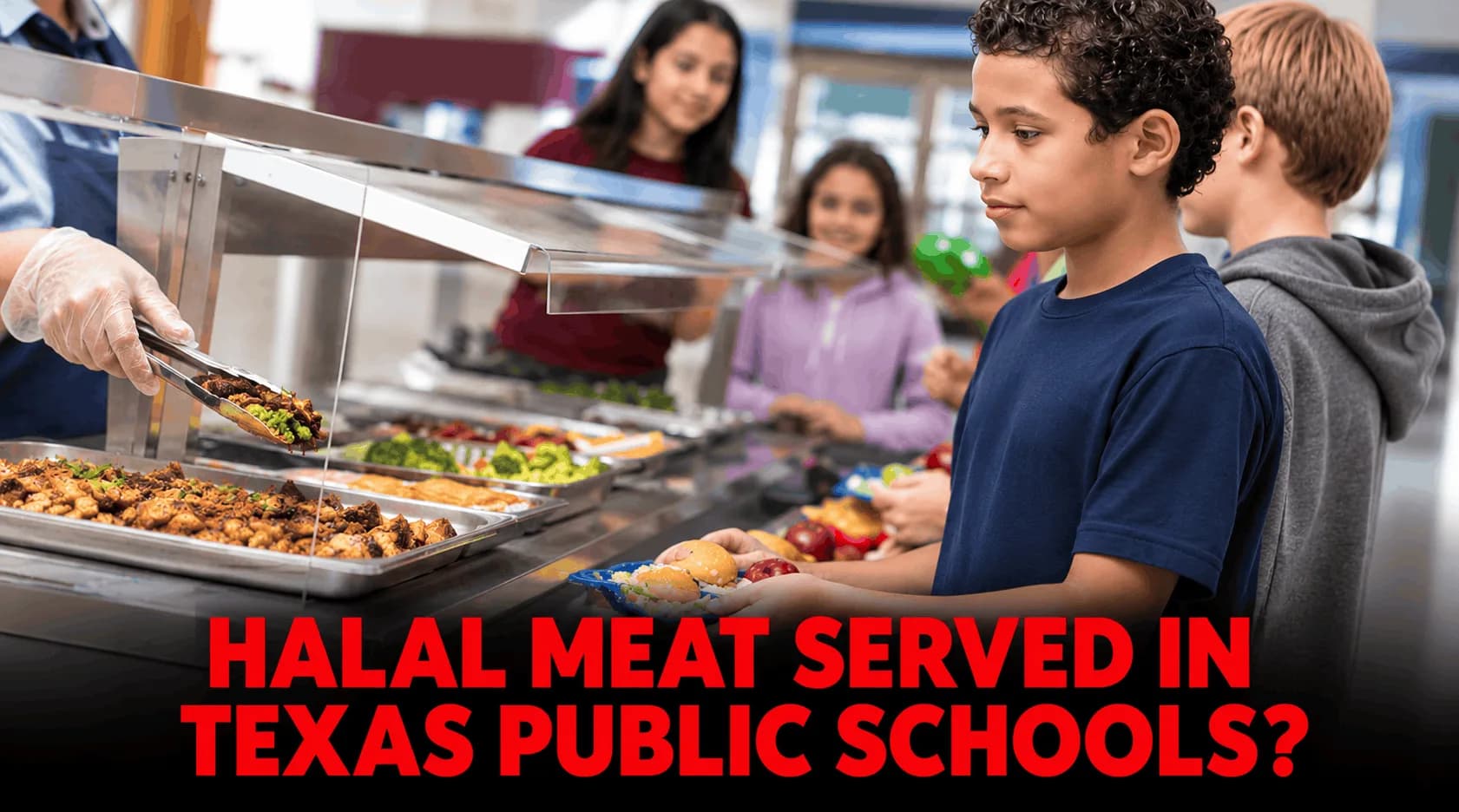
For Christian families, the discussion surrounding halal meals can extend beyond school budgets and dietary accommodations. It can also involve deeply held convictions about worship, religious practices and the spiritual meaning of food.
Muslims observe dietary restrictions that prohibit pork. A Muslim student who discovers that a meal contains pork may refuse to eat it because doing so would violate that student's religious convictions.
Christian parents deserve the same respect for their sincerely held beliefs.
Some Christians object to eating meat prepared according to another religion's requirements, particularly when religious invocations accompany the slaughter of an animal. They understand this concern through biblical teachings about idolatry, sacrifice and conscience.
The Apostle Paul addressed food associated with idol worship in 1 Corinthians 8 and 10. These passages distinguish between food itself, participation in idolatrous worship and the importance of respecting another believer's conscience.
The question for Texas lawmakers is whether a public-school meal policy can accommodate one family's religious convictions without disregarding another family's convictions.
Is Halal Meat a Religious Sacrifice?
Halal is an Islamic designation for what is permissible, including food prepared according to Islamic dietary requirements. Certain halal slaughter practices involve invoking God's name.
Christians and Muslims disagree on important theological questions, including the identity and nature of God.
Some Christian interpretations of Islamic revelation also challenge the spiritual origin of Muhammad's reported religious experiences. Traditional Islamic accounts describe Muhammad experiencing fear and seeking reassurance from his wife, Khadijah, after his first revelation.
Christians may examine those accounts through their own understanding of Scripture, spiritual discernment and biblical teachings concerning false worship.
However, those theological disagreements should not be confused with a factual finding that halal food is demonic or that Muslims intend spiritual harm through their dietary practices.
The Christian concern can still be expressed clearly: No student should be compelled to participate in a religious practice or consume food that violates the student's sincerely held beliefs.
Religious Freedom Must Be Reciprocal
If Texas requires public schools to provide halal meals upon request, parents may reasonably ask whether comparable accommodations will be available to Christian students, Jewish students requiring kosher food and others with sincerely held dietary restrictions.
Would school districts have consistent procedures for handling these requests?
Would families receive accurate information about ingredients and food preparation?
Would students retain access to ordinary menu alternatives?
And would school administrators protect students from pressure or ridicule over their religious convictions?
These questions deserve answers before legislation becomes law.
Could Pork, Bacon or Sausage Be Removed From School Menus?
Another concern involves what might happen after a halal-meal requirement takes effect.
Could schools eventually remove pork products, including bacon and sausage, to simplify their food-service operations?
Neither HB 401 nor HB 426, as introduced, requires schools to ban pork.
Nevertheless, parents can ask lawmakers to clarify whether the proposed accommodations would preserve existing menu choices and prohibit schools from unnecessarily restricting other students' dietary options.
A policy intended to expand access should not inadvertently reduce choices for everyone else.
Why Not Allow Families to Bring Their Own Meals?
Muslim families already have the freedom to provide food that complies with their religious convictions, subject to ordinary school safety and meal policies.
The proposed legislation goes further by requiring participating public-school meal programs to supply halal options upon request.
That creates a legitimate public-policy question:
When should government provide a religious accommodation through a taxpayer-supported service, and when should families remain responsible for meeting their own religious dietary needs?
Lawmakers should examine the costs, the practical alternatives and whether the same standards would apply across different religious communities.
Religious Schools, Public Funding and American Civic Education
The broader discussion also includes religious schools seeking access to publicly supported educational programs.
Texas families may choose private religious education, including Christian, Jewish and Islamic schools, under applicable law.
But when any private school seeks public funding, taxpayers have a legitimate interest in understanding the educational standards, financial accountability and legal requirements attached to that funding.
Those questions should apply consistently to every participating school, regardless of religion.
Students should receive a strong foundation in American history, the Declaration of Independence, the Constitution, the founding generation, the American flag and the responsibilities of citizenship.
Texas students should also understand their state's history, independence, institutions and civic traditions.
America's history includes profound religious influences, including the faith of many early European settlers and the biblical convictions of numerous influential Americans.
The Pilgrims' pursuit of religious freedom is part of that history, although the nation's founding also involved other religious traditions, Enlightenment ideas and the development of constitutional protections for religious liberty.
Teaching the historical influence of Christianity is not the same as requiring students to practice Christianity.
Public education can teach the nation's religious history accurately while respecting the constitutional rights of students from different faiths.
America's History Must Not Disappear From Education
Religious liberty and American civic identity need not be opposing principles.
The United States has a distinctive constitutional tradition shaped in part by Christian thought and by the commitment to protect freedom of conscience.
Students deserve to understand that history.
They also deserve to understand why the Constitution protects religious exercise while limiting government establishment of religion.
Parents can reasonably expect schools to teach American history, constitutional principles, patriotism and civic responsibility without compelling children to participate in religious worship.
The responsibility of lawmakers is to ensure that educational policies protect those principles consistently.
Religious freedom cannot be meaningful if it is protected for one community but disregarded for another.
And public education cannot fulfill its civic mission if students graduate without understanding the history, institutions, rights and responsibilities of the country they call home.