
 2 min read
 33
 Linkedin
 Threads
 Facebook
 X

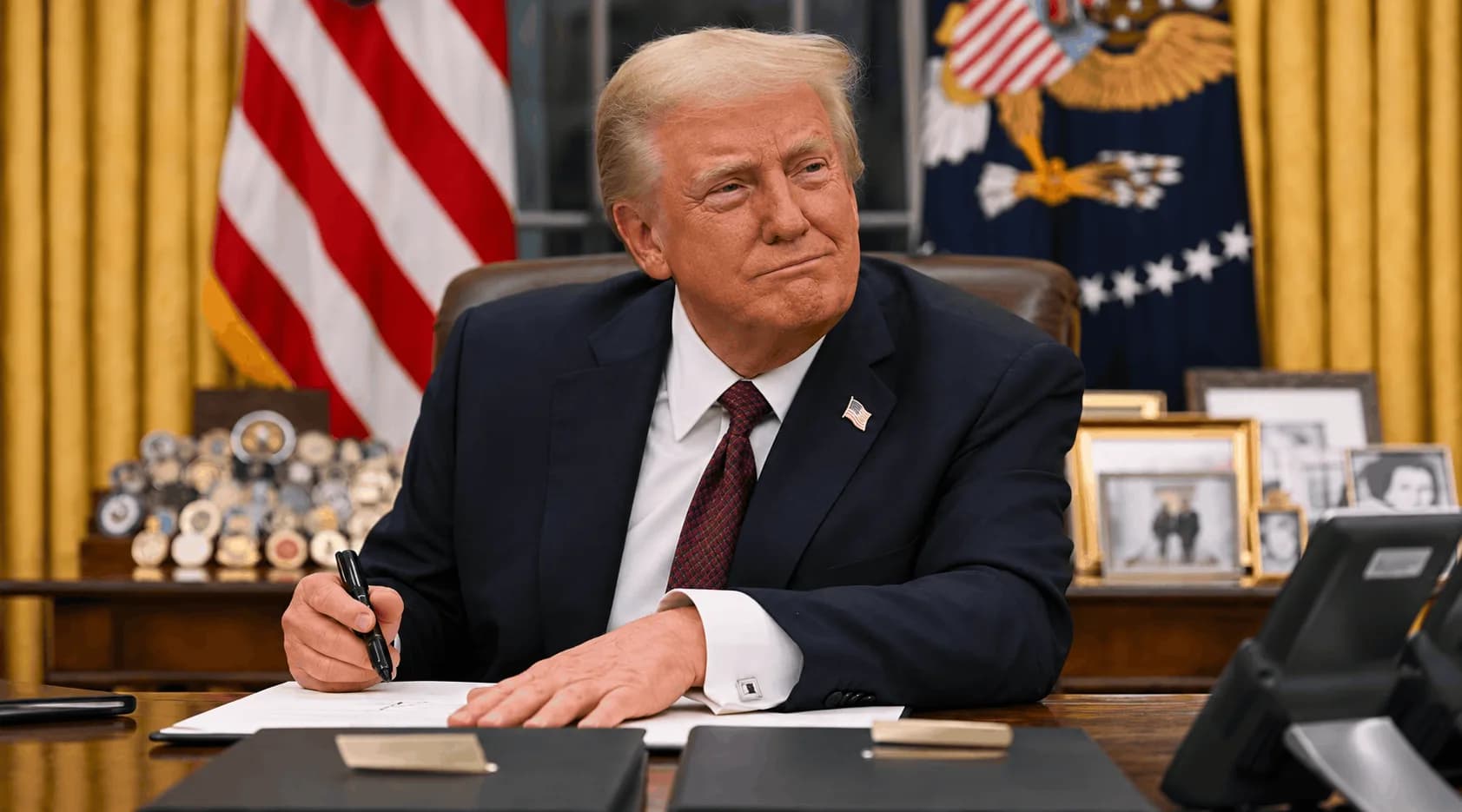
President Donald Trump's administration is highlighting what it describes as a historic transformation of the federal government, outlining major policy achievements during the first 21 months of his second term.
The White House detailed the results of Trump's executive actions across public safety, immigration, government efficiency, education, and energy production.
According to the administration, Trump signed 147 executive orders during his first 100 days, a record for that period, and has issued more than 290 since returning to office in January 2025.
The report emphasizes an approach centered on reducing federal regulations, enforcing immigration laws, strengthening American energy production, and increasing government accountability.
For American families and businesses, the administration's central argument is that decisive executive action can improve public safety, protect taxpayer resources, encourage investment, and create a stronger economic foundation.
Violent Crime Falls Across America
One of the administration's most significant reported achievements involves declining violent crime.
According to FBI statistics for 2025, the estimated number of violent crimes decreased 9.3% compared with 2024.
Murders declined 18.1%, robberies fell 18.5%, and aggravated assaults decreased 7.2%.
The FBI also reported that the murder rate reached 4.1 per 100,000 residents, tying historic lows recorded in 1955 and 1956.
Preliminary figures for the first half of 2026 indicate further declines.
The White House credits its law enforcement priorities, immigration enforcement, and federal coordination for strengthening public safety.
These figures represent significant nationwide improvements, although the statistics alone do not establish how much of the decline resulted directly from presidential policies.
For families and local businesses, lower crime can mean safer neighborhoods, reduced security concerns, and greater confidence in their communities.
Border Security and American Jobs
The White House also highlights immigration enforcement as a major accomplishment.
The administration says its policies have strengthened border security, reduced unauthorized immigration, and contributed to negative net migration.
Its actions include restricting access to certain federal benefits for people without legal immigration status and increasing enforcement against alleged visa abuses.
The administration has also tightened scrutiny of the H-1B visa program, arguing that stronger oversight helps protect American workers from unfair employment practices.
These policies reflect Trump's commitment to prioritizing immigration enforcement and domestic employment.
Their broader economic effects, including consequences for employers, labor availability, and communities, remain subjects of continuing debate.
Fighting Fraud and Protecting Taxpayer Money
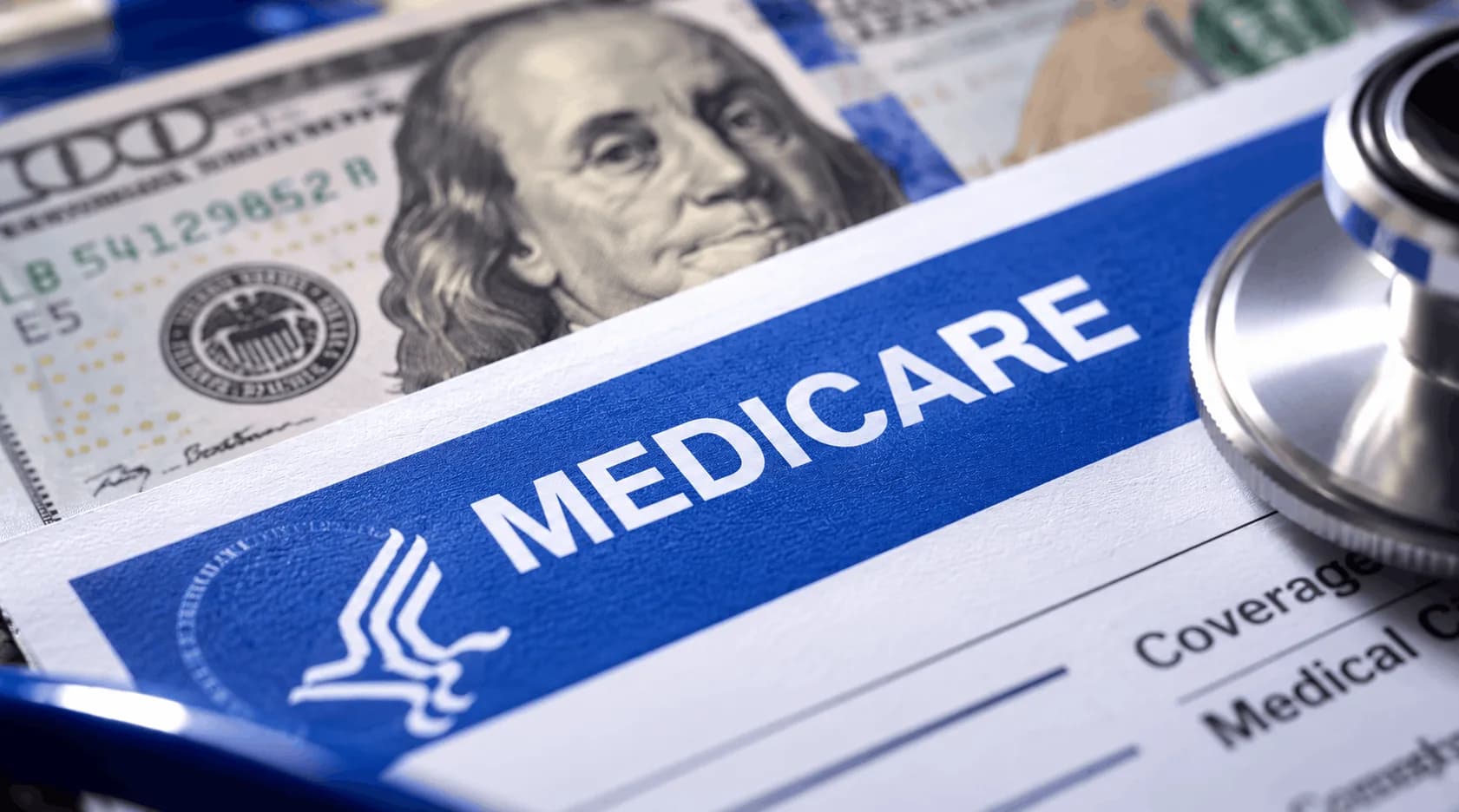
Another central priority is eliminating waste and fraudulent spending across federal programs.
The White House claims its anti-fraud initiatives have identified more than $260 billion in taxpayer-related fraud and prevented approximately $72 billion in annual improper expenditures.
The administration points to stronger payment verification, investigations, and action against suspected fraudulent service providers.
These figures are administration-reported estimates, not necessarily money already recovered or independently confirmed savings.
Nevertheless, preventing improper payments is an important objective for programs that support families, seniors, veterans, and vulnerable Americans.
Effective oversight can help ensure taxpayer resources reach their intended recipients.
American Energy Takes Center Stage
Energy production represents another major component of Trump's executive agenda.
The administration highlights efforts to expand domestic oil production, accelerate nuclear energy development, and streamline federal licensing.
According to the White House, more than 700 nuclear regulatory licensing actions have been completed.
It also reports that five advanced nuclear reactors have achieved criticality following its nuclear energy initiatives.
Criticality represents an important operating milestone, although it does not necessarily mean a reactor is commercially producing electricity.
The administration argues that faster permitting and expanded energy capacity can strengthen America's energy security.
Reliable, competitively priced electricity is particularly important for manufacturers, industrial facilities, households, and rapidly expanding artificial intelligence data centers.
Cutting Regulations and Encouraging Investment
The White House says its deregulation initiative has eliminated more than 400 federal regulations.
It estimates these changes could produce approximately $1.5 trillion in economic savings, equivalent to more than $17,500 for a family of four.
Those figures are estimates of regulatory benefits, not direct cash payments or verified household savings.
The administration maintains that reducing compliance costs can free businesses to invest in equipment, hire employees, and expand American operations.
For manufacturers and small businesses, regulatory predictability and efficient permitting can influence decisions about where to invest and create jobs.
A Government Focused on Results
The White House report also emphasizes changes to federal diversity, equity, and inclusion policies and settlements involving universities.
The administration presents these actions as efforts to restore merit-based standards and equal treatment under federal law.
Together, the initiatives demonstrate the breadth of Trump's executive agenda.
Their long-term effectiveness will depend on implementation, legal challenges, economic conditions, and measurable outcomes.
The administration's message is that American prosperity begins with secure communities, accountable government, reliable energy, and opportunities for workers and businesses to succeed. As President Trump continues his second term, the lasting significance of these executive actions will be determined by how effectively they translate into greater safety, economic opportunity, and financial stability for American families.