
 3 min read
 25
 Linkedin
 Threads
 Facebook
 X

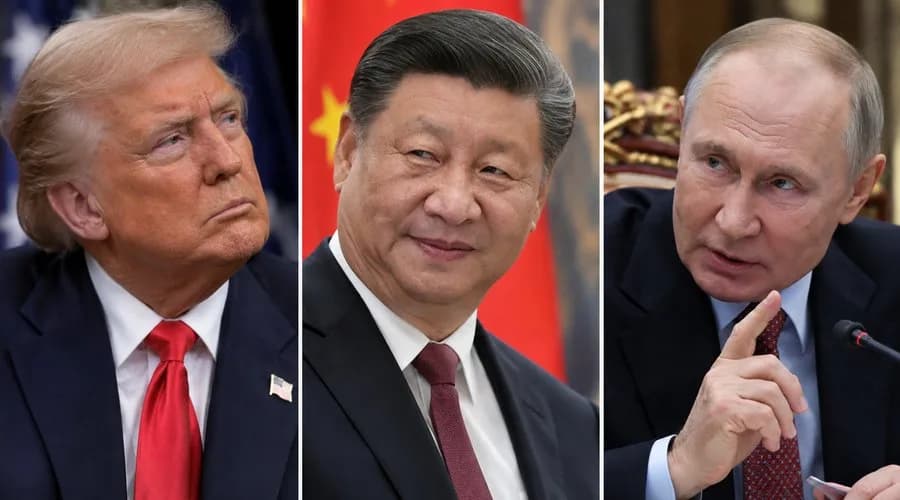
WASHINGTON, D.C. — November 16, 2026. President Donald Trump is preparing to depart for Asia on Monday for a diplomatic mission involving trade negotiations, regional security discussions and an unprecedented meeting with Chinese President Xi Jinping and Russian President Vladimir Putin.
The gathering, scheduled during the Asia-Pacific Economic Cooperation summit in Shenzhen, China, would mark the first trilateral meeting involving the three leaders.
At the center of the agenda is one of the most consequential questions facing international security: Can the United States, China and Russia begin negotiating meaningful limits on their nuclear arsenals?
But the summit arrives during an unusually tense period.
The United States remains involved in a war with Iran. Russia's invasion of Ukraine continues. And Washington is confronting allegations involving the former chief executive of Nvidia, one of America's most important artificial intelligence companies, and a woman suspected of working for Chinese intelligence.
The trip brings several major security challenges into the same diplomatic setting.
Trump, Xi and Putin Prepare for Historic Nuclear Discussions
Senior American officials told ABC News that denuclearization will be the principal focus of the planned meeting.
The administration does not expect an immediate agreement.
Instead, officials describe the gathering as an initial discussion intended to explore possible future negotiations.
Trump previously expressed interest in bringing the leaders together to discuss reducing nuclear threats.
Such talks would carry enormous significance.
The United States and Russia possess the world's largest nuclear arsenals, while China has been expanding its nuclear capabilities.
Any serious effort to establish new arms-control arrangements would require addressing verification, transparency and the strategic interests of all three governments.
The meeting also raises a fundamental question:
Can three nations competing for global influence cooperate on preventing nuclear escalation?
Iran on the Agenda, but Ukraine Apparently Excluded
American officials expect Trump, Xi and Putin to discuss the ongoing war involving Iran.
However, the administration says Russia's war against Ukraine is not expected to be part of the trilateral agenda.
That distinction is striking.
Russia's military operations in Ukraine remain a central European security concern, while China's relationship with Moscow continues to attract scrutiny in Washington.
Iran also maintains strategic relationships with both Russia and China.
The overlapping interests create a complicated diplomatic environment.
A discussion about Iran could involve regional security, military escalation and the consequences of continued hostilities.
But officials have not disclosed detailed negotiating proposals.
And excluding Ukraine from the formal agenda does not mean the conflict has been resolved or that the leaders have reached an understanding about its future.
Trump Will Meet Xi Separately Before Putin Joins
Before the three-way meeting, Trump is scheduled to hold a bilateral discussion and working lunch with Xi.
Officials say the two presidents will focus partly on implementing existing trade arrangements.
No separate one-on-one meeting between Trump and Putin is planned.
Trump's itinerary begins in Manila, where he is expected to meet Philippine President Ferdinand Marcos Jr., participate in regional diplomatic gatherings and discuss Indo-Pacific security.
The administration also expects to sign a trade agreement with Thailand.
Trump will then travel to Shenzhen for the APEC summit and meetings with Chinese officials.
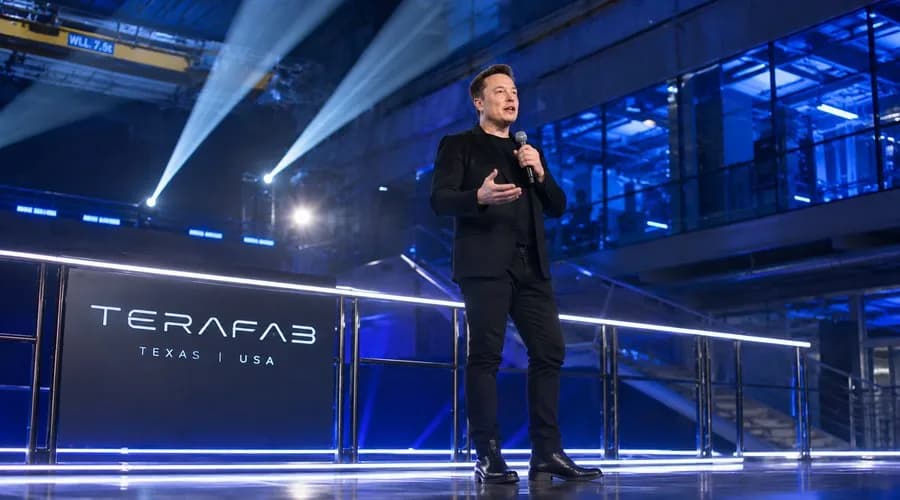
Elon Musk is expected to accompany the president during portions of the China visit, although officials have not detailed his role.
Nvidia Scandal Raises Chinese Intelligence Questions
The diplomatic trip comes days after Jensen Huang resigned as Nvidia's president, CEO and board member on November 12.
His departure followed reports of a relationship with Alice Huang, a Chinese technology executive accused of having connections to Chinese intelligence.
The allegations have not been established in court, and Beijing has denied involvement.
ABC News reports that Secretary of State Marco Rubio briefed Trump aboard Air Force One on May 12 about intelligence concerning the relationship.
The report cites a U.S. official and other sources familiar with the matter.
Trump has publicly said he was unaware of the allegations when Huang joined his earlier China trip.
The differing accounts raise questions about when administration officials received intelligence and how that information was handled.
The controversy also intersects with U.S. restrictions on exporting advanced artificial intelligence chips to China.
Nvidia's technology plays a significant role in the global AI industry, making export controls a matter of national security as well as international commerce.
American officials say the allegations involving Alice Huang are not expected to be raised during Trump's meeting with Xi.
Why American AI Technology Matters
Artificial intelligence has become a central element of strategic competition between Washington and Beijing.
Advanced chips support civilian applications, scientific research and increasingly sophisticated military systems.
The United States has restricted China's access to certain high-performance semiconductors because of concerns about their potential military applications.
At the same time, American technology companies have argued that maintaining access to international markets is important for innovation and commercial competitiveness.
The Nvidia controversy places those competing priorities under renewed scrutiny.
Congressional Republicans have called for testimony concerning Nvidia and the administration's handling of relevant export restrictions.
The key questions involve whether existing safeguards were followed, whether intelligence warnings were properly evaluated and whether American technology was adequately protected.
No public finding establishes that the alleged relationship resulted in unauthorized transfers of classified information.
A Major Diplomatic Test After the Midterms
Trump's trip also follows the November midterm elections, in which Democrats secured control of both chambers of Congress.
The administration faces renewed congressional scrutiny over foreign policy, trade and national security decisions.
Democratic lawmakers have indicated that they intend to examine the administration's tariffs and other executive actions when the new Congress convenes.
Nevertheless, the president retains substantial authority over diplomacy and negotiations with foreign leaders.
The Asia visit will therefore unfold against two different political realities: international negotiations with America's strategic competitors and a more confrontational political environment in Washington.
What Will Come Out of the Summit?
The White House has cautioned against expecting a major nuclear agreement from the first meeting.
Still, the encounter could establish a framework for future discussions.
Several questions remain unanswered.
Will China agree to participate in meaningful nuclear arms-control negotiations?
Can Washington and Moscow identify areas of cooperation despite their disagreements over Ukraine?
Will discussions about Iran produce any concrete steps toward reducing military escalation?
And how will the United States balance trade relations with China against concerns about espionage and advanced technology?
These questions extend far beyond the ceremonial significance of a presidential summit.
They involve the future of nuclear security, American technological leadership and the relationships among three major powers.
The world will be watching what Trump, Xi and Putin say when they meet.
But the more consequential test will come afterward.
Will the leaders establish a serious negotiating process, or will the summit end without measurable progress?
For now, the historic meeting is planned, the diplomatic agenda is taking shape and the outcome remains uncertain.
Three presidents. Three nuclear powers. And a world waiting to see whether diplomacy can reduce the risks of another major international confrontation.