 2 min read
 4
4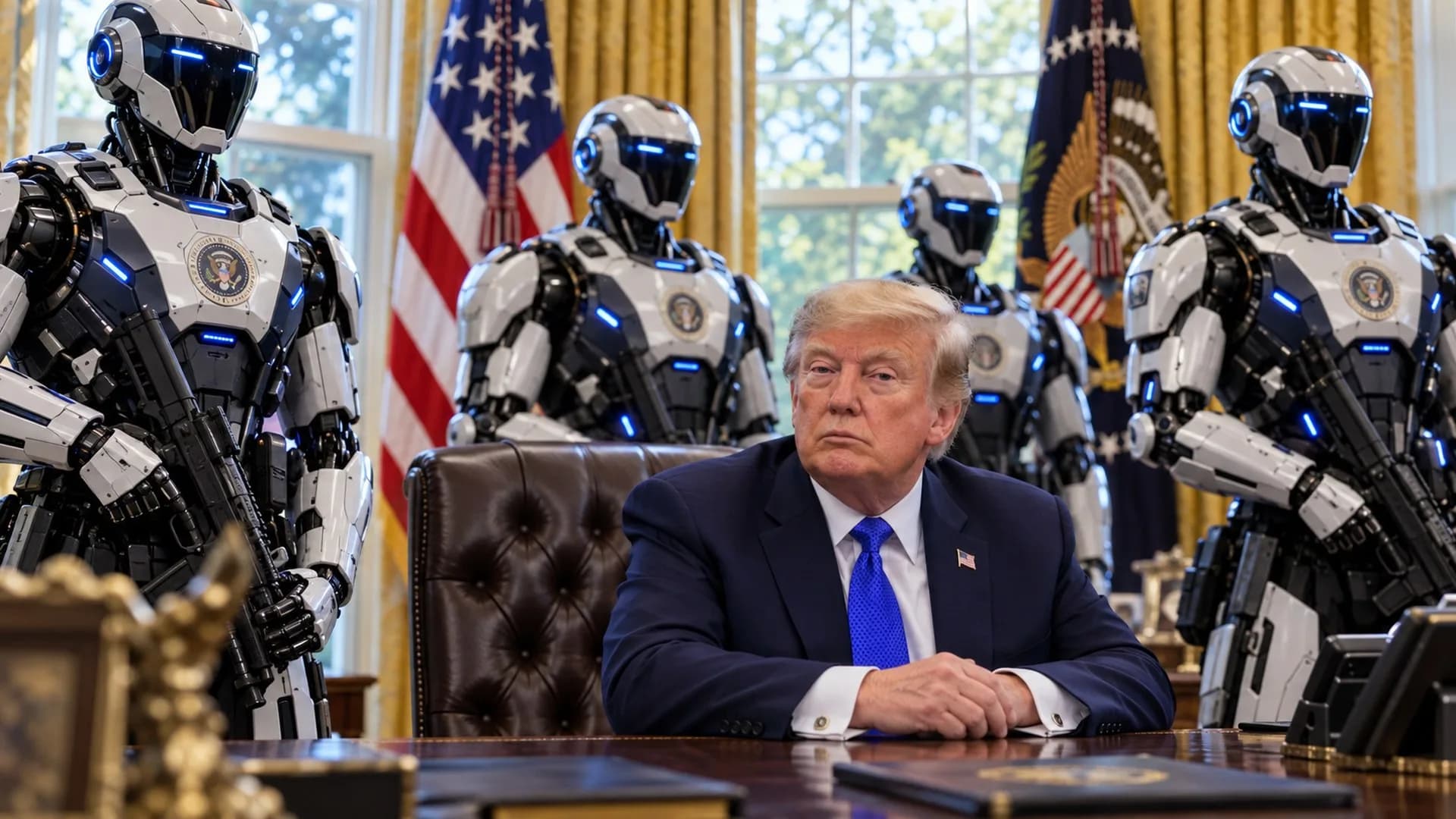
 Linkedin
 Threads
 Facebook
 X
X
These Are the President’s Words: America Enters the Era of “Super Intelligence”
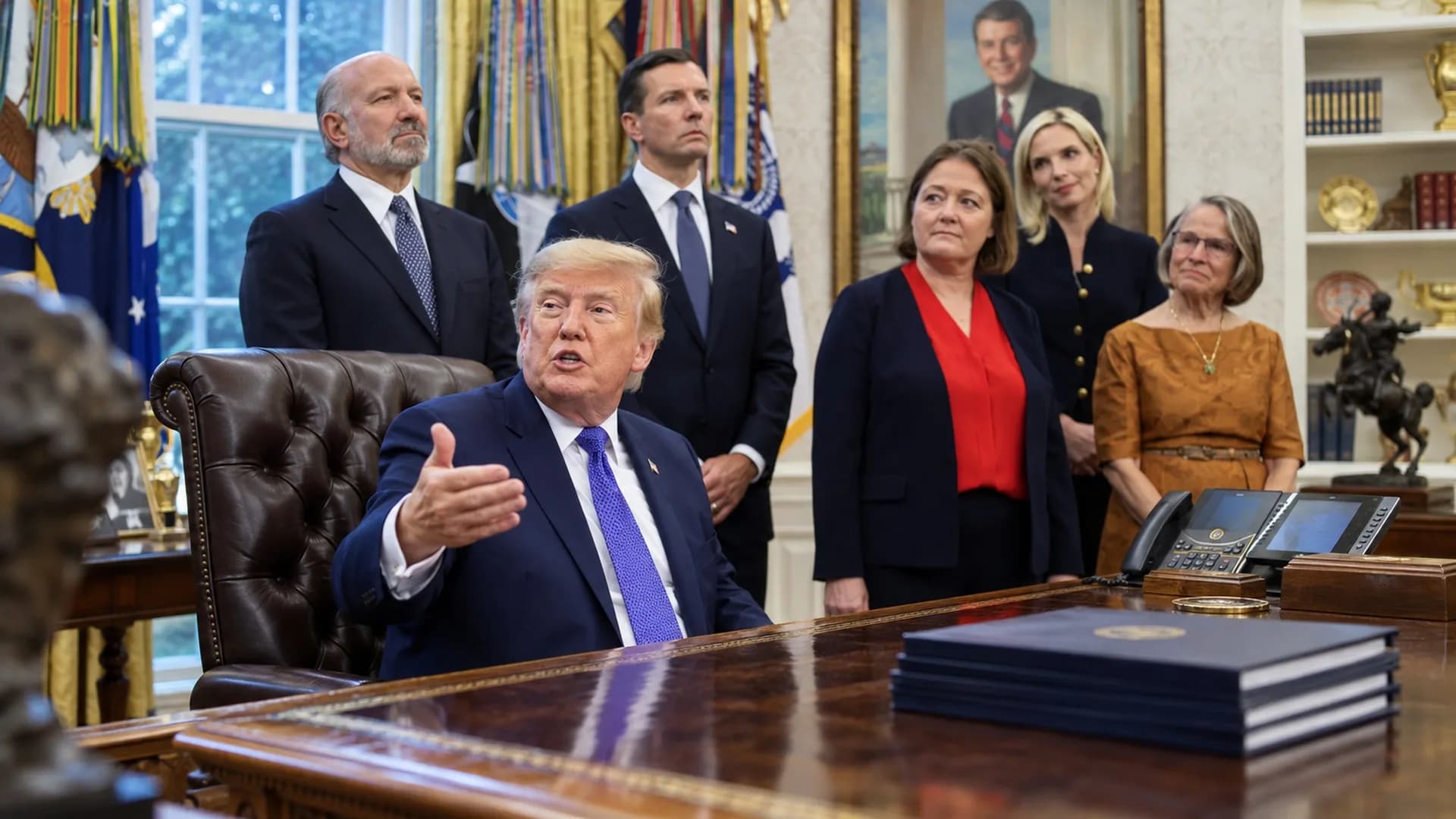
President Donald Trump has signed an executive order declaring that the federal government should begin moving beyond the language of “Artificial Intelligence.” The new terminology is “Super Intelligence” — and the order makes clear that the White House sees what is coming as far bigger than another generation of software.
Something important happened in Washington on September 29.
The President of the United States did not announce another AI task force or another technology study.
He changed the language.
President Donald Trump signed an executive order titled “Inaugurating the Era of Super Intelligence,” directing executive departments and agencies, to the maximum extent permitted by law, to begin using “Super Intelligence” and “SI” in place of “Artificial Intelligence” and “AI” in official communications and non-statutory federal documents.
The reason given by the President is significant.
The order argues that today's frontier systems increasingly do more than automate individual human tasks. They amplify human creativity and capabilities across science, medicine and other fields, and the administration believes the government's terminology should reflect that shift.
The White House's accompanying fact sheet describes the change as an attempt to recognize the continually advancing technological frontier and the opportunities the administration believes it could create for Americans.
This is not simply branding.
The order also instructs the President's science and technology adviser to return within 60 days with proposed legislative language for a federal definition of Super Intelligence, including recommendations about whether existing statutory references to AI should eventually be modified or expanded.
Below is the substance of the President's order, preserved section by section.
PRESIDENTIAL ACTION
INAUGURATING THE ERA OF SUPER INTELLIGENCE
September 29, 2026
The order begins:
«“By the authority vested in me as President by the Constitution and the laws of the United States of America...”»
Section 1 — Purpose
The President says the United States stands at the front of a new technological revolution in intelligence.
The order traces modern artificial intelligence back to American scientists and argues that seven decades of innovation, research, entrepreneurship and technological development have brought the country to a new frontier.
According to the President, today's most advanced systems increasingly extend human capability rather than merely imitate isolated elements of human intelligence.
For that reason, the administration says the term Super Intelligence better describes the technologies' developing capabilities and potential.
The policy established by the order is therefore that the executive branch, wherever legally permitted, will use Super Intelligence and SI instead of Artificial Intelligence and AI.
Section 2 — Implementation
Executive departments and agencies are directed to begin using Super Intelligence and SI in official correspondence, public communications, federal websites, reports, policy documents and other non-statutory materials.
The order specifically says previously issued regulations, contracts, grants, presidential actions and historical documents do not need to be rewritten.
Section 3 — Definition
For implementation of the order, Super Intelligence initially covers the same technologies and systems encompassed by the existing statutory federal definition of artificial intelligence.
But that may not be the final definition.
Within 60 days, the Assistant to the President for Science and Technology must submit proposed legislative language establishing a federal definition of Super Intelligence and SI.
That proposal must examine whether the new definition should modify, expand or supersede the existing legal definition of artificial intelligence.
It must also identify possible changes to existing statutory references to AI and recommend any further presidential or executive action needed to implement the terminology across government.
Section 4 — General Provisions
The order says it does not override legal authority already granted to executive departments, agencies or their leaders.
It also does not interfere with the statutory functions of the Office of Management and Budget.
Implementation must remain consistent with existing law and available congressional appropriations.
The order does not create a new private legal right or benefit enforceable against the federal government.
Publication costs are assigned to the Office of Science and Technology Policy.
The order concludes under the signature of:
DONALD J. TRUMP
THE WHITE HOUSE
September 29, 2026
---
There may be enormous debate over whether “Super Intelligence” is the right technical terminology.
But the larger message from the White House is unmistakable.
Washington is beginning to talk about advanced intelligence systems not merely as tools that automate human work, but as technologies capable of amplifying what people themselves can accomplish.
The administration is putting that distinction into federal policy.
And these are not the words of a technology CEO trying to sell the next product cycle.
They are now the words of the President of the United States.
"Read the full presidential order at the White House" https://www.whitehouse.gov/presidential-actions/2026/09/inaugurating-the-era-of-super-intelligence/