
 3 min read
 4
 Linkedin
 Threads
 Facebook
 X

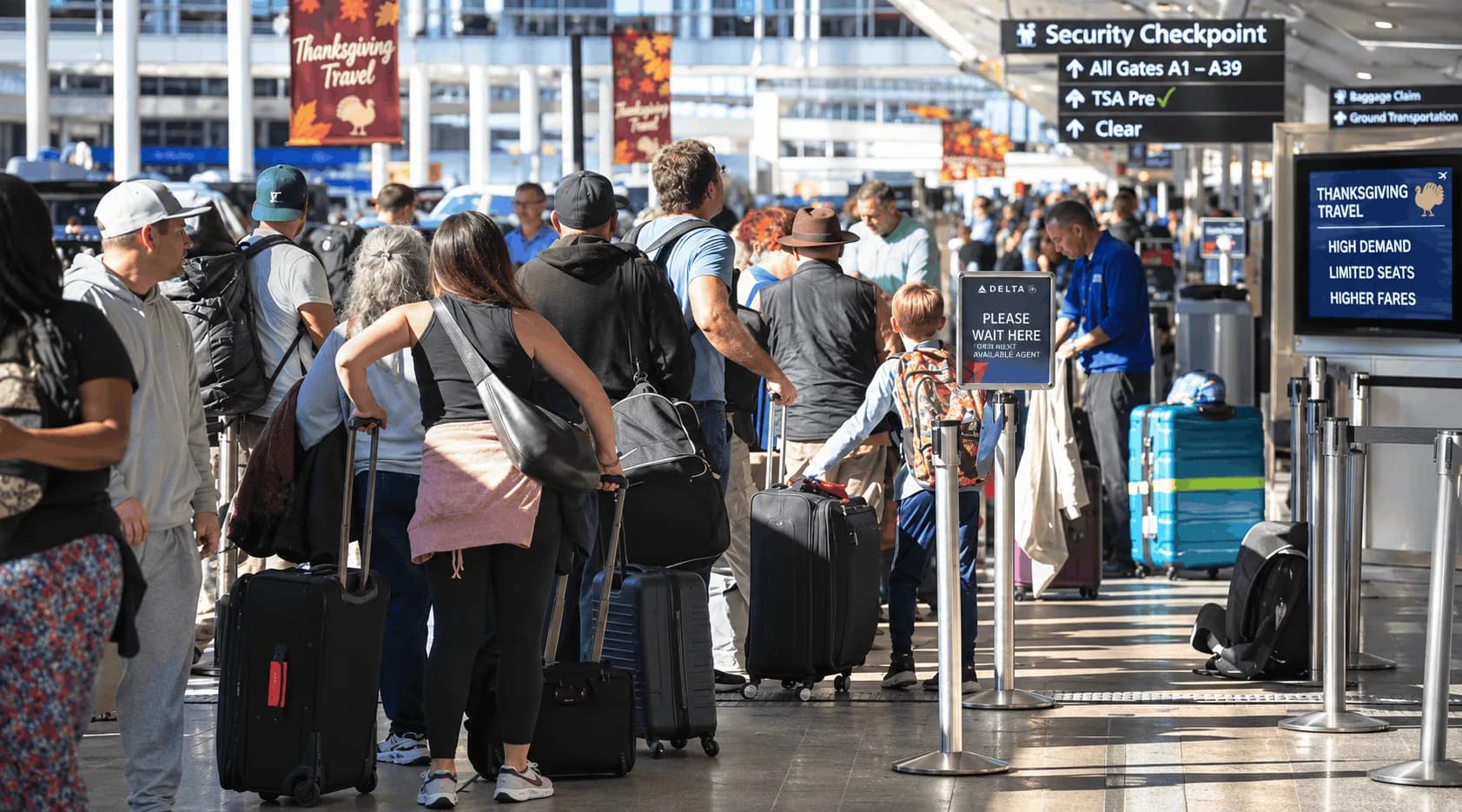
Millions of Americans are preparing to travel across the country for Thanksgiving, setting the stage for another exceptionally busy holiday season.
Airlines are increasing flight schedules, Amtrak is expanding train capacity, and major transportation hubs are preparing for heavy passenger volumes.
Airlines for America expects nearly 29 million passengers to fly during the Thanksgiving travel period, while new airline schedules indicate a 2.2% increase in flights compared with last year.
The projected surge comes despite rising fuel costs and significantly more expensive airfare.
Thanksgiving falls on Thursday, November 26, this year, and the busiest travel period is expected to stretch across the surrounding two weeks.
The remarkable development is that Americans are continuing to prioritize spending time with family, even as transportation expenses place additional pressure on their finances.
Airlines Prepare for Millions of Holiday Travelers
American Airlines expects to carry more than 8 million passengers between November 19 and December 1.
The airline and its regional partners plan to operate nearly 85,000 flights during that period, approximately 4% more than Thanksgiving 2025.
That translates to an average of one American Airlines flight taking off every 13 seconds.
Its busiest day is expected to be Sunday, November 29, when the company plans to operate 7,021 flights.
United Airlines is also preparing for substantial demand.
The carrier expects to transport more than 500,000 passengers daily during the holiday period, with approximately 600,000 travelers anticipated on November 29.
For airlines, this represents an enormous logistical undertaking involving aircraft, pilots, flight attendants, mechanics, baggage handlers, and airport personnel.
Successful holiday operations require careful planning to keep aircraft moving efficiently while minimizing delays.
Why Sunday Could Be the Most Difficult Travel Day
Travel experts identify Sunday, November 29, as one of the busiest days for Americans returning home after Thanksgiving.
Millions of travelers are expected to depart airports within a relatively concentrated period.
Hartsfield-Jackson Atlanta International Airport and Dallas Fort Worth International Airport are projected to be among the nation's busiest aviation hubs.
According to the schedules cited, each airport has more than 2 million airline seats planned between November 21 and December 1.
That does not mean every seat will be occupied, but it demonstrates the scale of the expected travel demand.
Large passenger volumes can create longer security lines, increased pressure on airport services, and greater consequences when weather disrupts flight schedules.
Families traveling with young children or making connecting flights may benefit from allowing additional time.
Thanksgiving Airfare Reaches a Decade High
The holiday travel boom comes with a significant financial challenge.
Travel company Hopper reports that Thanksgiving airfare has reached its highest levels in at least ten years.
Its September holiday travel analysis placed average domestic round-trip fares at approximately $402, an increase of 31% compared with the same period last year.
More recent fare comparisons cited indicate increases as high as 39%, depending on the booking period and methodology.
International Thanksgiving fares have also increased, with some prices rising by as much as 30%.
Elevated jet fuel costs, affected by the conflict involving Iran, have contributed to higher airline operating expenses.
Fuel is a substantial expense for airlines, and prolonged price increases can influence ticket prices and scheduling decisions.
For a family purchasing several plane tickets, the difference can amount to hundreds of additional dollars.
The result is a travel season characterized by strong demand but more difficult budget decisions.
Amtrak Expects Another Record Thanksgiving
Airlines are not the only transportation providers experiencing strong demand.
Amtrak expects another potentially record-breaking Thanksgiving holiday after recording more than 1.2 million customer trips during the 2025 holiday period.
That represented an increase of nearly 6% from 2024.
The passenger railroad is encouraging travelers to reserve tickets early as demand grows.
To accommodate additional passengers, Amtrak is adding train cars to selected Northeast Regional services between November 20 and November 30.
The company will also operate two additional round trips between Washington, D.C., and New York City on November 24–25 and November 28–29.
These expanded services provide more options for passengers traveling along one of America's most heavily used transportation corridors.
Train travel can be particularly attractive for travelers looking to avoid highway congestion or airport procedures.
However, ticket prices and convenience vary by route, so passengers should compare their options before booking.
Why the Holiday Rush Matters to the Economy
The Thanksgiving travel season affects far more than airlines and railroads.
Millions of passenger journeys support activity at hotels, restaurants, rental-car companies, fuel stations, and local businesses.
Airports and train stations also depend on workers in security, maintenance, customer service, food preparation, and transportation.
For communities hosting visiting families and tourists, increased travel can mean additional business.
But higher travel spending does not necessarily mean every household is financially better off.
Some families may be paying more to make the same trip they took last year.
That distinction is important when interpreting strong consumer demand.
Americans may continue purchasing essential or personally meaningful experiences even when those purchases require additional budgeting.
Thanksgiving travel illustrates that tension particularly clearly.
How Families Can Avoid Holiday Travel Problems
With transportation systems preparing for heavy demand, early planning can make a meaningful difference.
Travelers should consider booking remaining tickets as soon as practical, comparing nearby airports or alternate departure dates, and monitoring flight or train status before leaving home.
Airline passengers should review baggage restrictions and verify identification requirements.
Those traveling by train should check whether additional Amtrak departures are available along their routes.
For drivers, comparing fuel costs, planning rest stops, and allowing extra time around major metropolitan areas can help reduce unexpected expenses and delays.
Travel insurance and refundable bookings may offer additional flexibility, although their costs and coverage should be reviewed carefully.
Above all, families should prepare for crowded transportation systems and possible disruptions.
Americans Are Still Making Thanksgiving a Priority
Thanksgiving remains one of the country's most important travel traditions.
This year's projections show that millions of Americans are willing to navigate higher prices, busy airports, and crowded trains to spend time with the people who matter most.
For the transportation industry, the challenge will be meeting demand safely and efficiently.
For families, the priority will be balancing travel costs with the importance of being together.
The Thanksgiving travel surge reflects something that cannot be measured by airline schedules or ticket prices alone: America's enduring commitment to family, tradition, and gathering around the table, even when getting there becomes more expensive.