2 min read
 7
 Linkedin
 Threads
 Facebook
 X

Florida's Warning to Sanctuary Cities
Florida's debate over sanctuary-city policies raises a serious question about government accountability: Should elected officials face legal consequences when their decisions prevent cooperation with federal immigration authorities and dangerous offenders subsequently commit violent crimes?
The argument centers on the responsibility of public officials to protect their communities while complying with immigration-enforcement laws. When authorities knowingly disregard a binding legal obligation, particularly one involving the detention or release of a dangerous individual, their decisions deserve examination.
The consequences can be devastating. Families who lose loved ones to preventable violence deserve answers about whether government failures contributed to those tragedies.
However, criminal liability requires evidence of an actual offense, not simply disagreement with an official's immigration policy. Prosecutors must establish the elements required by law, including any necessary criminal intent.
The fundamental question remains: When government officials knowingly violate immigration-enforcement laws and their actions contribute to preventable harm, what legal mechanisms exist to hold them accountable?
Political Accountability Is Not Criminal Immunity
Sanctuary policies differ across jurisdictions. Some limit immigration-status inquiries, while others restrict compliance with federal immigration detainers.
A detainer is generally a request from federal immigration authorities, not automatically a judicial warrant.
That legal distinction matters.
Under existing criminal law, prosecuting a politician as an accessory to murder or rape would ordinarily require proof of the elements of the offense, including the necessary criminal intent or assistance. Simply supporting a sanctuary policy would not establish those elements.
But elected officials can still face investigations, civil litigation where legally available, and political accountability for unlawful decisions.
Public office should never become a shield for deliberate violations of the law.
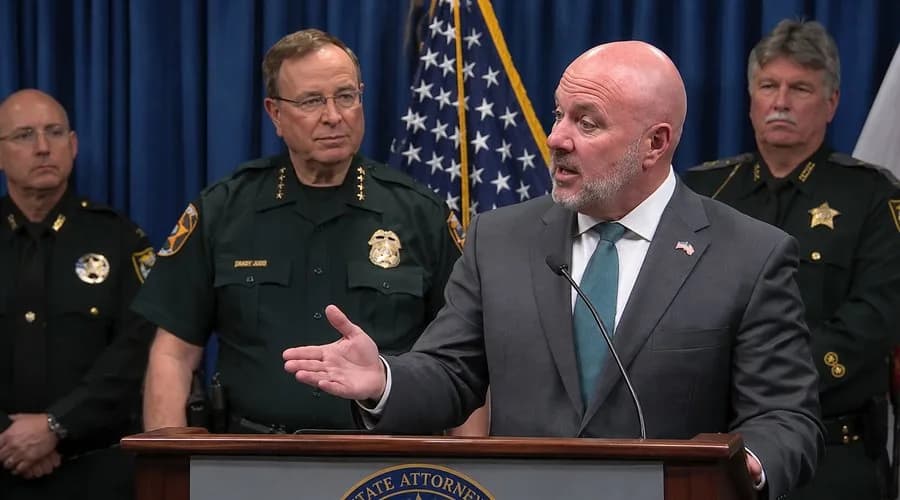
🚨 BOOM!!! FLORIDA CFO JUST WENT FULL NUCLEAR 🚨 He just said the quiet part out loud: The EASIEST way to kill sanctuary cities forever? Start CHARGING Democrat politicians as ACCESSORIES to every murder, rape, and child rape committed by the illegals they protect. Make them LEGALLY responsible. Because let’s be real — those crimes NEVER would have happened without their sanctuary policies. They are COMPLICIT. Period. This is how you end it for good. No more hiding behind “compassion.” Share this EVERYWHERE. Every single sanctuary traitor needs to see it.
— Deep Leaks (@DeepLeaksHQ) November 9, 2026
Texas Should Pay Attention
The controversy arrives as Texas debates how cities should cooperate with federal immigration authorities.
Texas Senate Bill 4, enacted in 2017, prohibits certain local policies that restrict immigration-enforcement cooperation.
Officials who knowingly violate applicable state law may face enforcement proceedings and statutory penalties.
That gives Texas an existing legal framework for examining local government conduct.
Governor Greg Abbott and Attorney General Ken Paxton have tools to review whether municipal directives comply with state law.
However, a disagreement over immigration enforcement does not automatically establish a criminal offense.
Any investigation must identify the specific legal duty, alleged violation, and supporting evidence.
The Real Test: Preventing Another Victim
The most compelling argument for accountability concerns preventable harm.
When authorities know an individual presents a serious danger, decisions about detention, release, and cooperation can have life-changing consequences.
Victims and their families deserve to know whether officials followed the law and whether failures contributed to a subsequent crime.
That inquiry should focus on documented decisions, not assumptions about immigrants as a group.
Violent criminals should face prosecution regardless of nationality or immigration status.
And public officials who deliberately break the law should face the consequences established by that law.
The Florida controversy now challenges lawmakers to examine whether existing accountability mechanisms are adequate.
The demand should be clear: enforce immigration laws, investigate documented violations, and protect communities before another preventable tragedy occurs.
Compassion for immigrants must never become an excuse for ignoring the safety of victims.