
 3 min read
 64
 Linkedin
 Threads
 Facebook
 X
Please prepare yourself for this story...
I have cried more than once while writing it. Some stories are simply heartbreaking, but this one has shaken me deeply.
She was 18 years old. She had graduated from high school, was preparing for college, and had dreams of building a future.
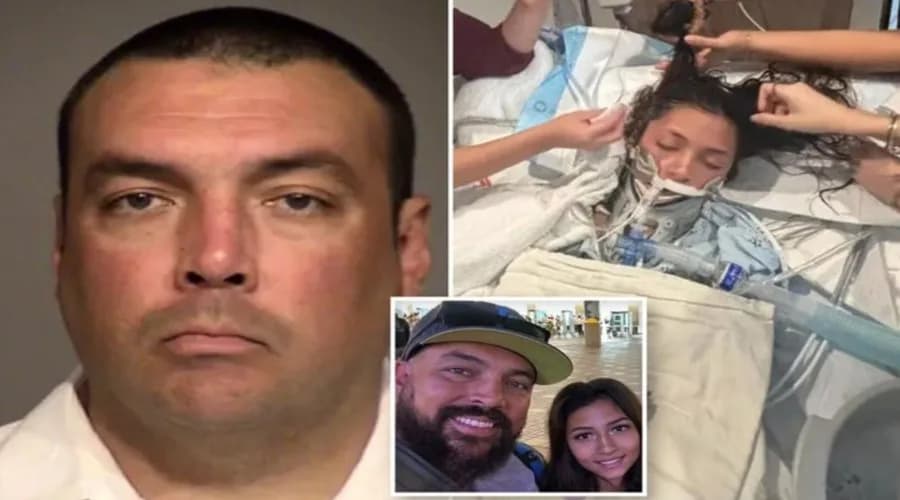
Her name was Makayla Renee Settles.
She wanted to become an architect.
She moved from North Carolina to California in July 2025 to live with her biological father, Stephen Vincent Chavez, believing she was beginning an exciting new chapter of her life.
Instead, the person who should have protected her committed an act of sexual abuse that devastated her family.
Five months later, Makayla died by suicide.
And now, in a development that has left her mother grieving all over again, the man convicted of abusing her has been released from jail after serving less than six months.
How can a family begin to understand a punishment that feels so small compared with a loss that will last forever?
A Daughter Who Trusted Her Father
Makayla had her entire adult life ahead of her.
She had recently completed high school in Raleigh, North Carolina, and planned to attend Moorpark College in Southern California.
Like countless young Americans, she was beginning to imagine what independence would look like.
There would be classes, friendships, career plans, and opportunities to discover the person she wanted to become.
Her mother, Carolina Sandoval, remembered her as a sweet young woman with an entrepreneurial spirit.
But only two days after arriving at her father's home, Makayla's life changed.
According to Ventura County prosecutors, Chavez supplied his daughter with alcohol following a family gathering in July 2025.
He then engaged in sexual intercourse with her.
Chavez later pleaded guilty to felony incest and misdemeanor furnishing alcohol to a minor.
He also admitted allegations that he had exploited a position of trust and that Makayla was particularly vulnerable.
Those facts make the case especially disturbing.
A father is supposed to be a source of safety. Makayla's father instead became the person who violated that trust.
Five Months Later, Her Family Lost Her
After the incident, Makayla received medical attention and a sexual-assault forensic examination.
Her family reported the abuse to authorities.
In December 2025, she attempted suicide and died approximately one week later in the hospital.
Her death devastated her family.
The circumstances have understandably led relatives to connect the tragedy with the trauma she experienced.
However, the criminal case did not establish a legal finding that Chavez caused her death.
That distinction does not diminish the family's suffering.
Makayla's mother lost her daughter, her future grandchildren, and the countless ordinary moments that make a lifetime together.
No sentence can restore those moments.
But for the family, the justice system offered another painful surprise.
CALIFORNIA FATHER CONVICTED OF INCEST AGAINST HIS 18-YEAR-OLD DAUGHTER RELEASED FROM JAIL AFTER SERVING LESS THAN SIX MONTHS: Outrage is growing in Ventura County after 41-year-old Stephen Vincent Chavez walked out of jail after serving less than half of a one-year sentence for sexually assaulting his daughter. According to family members, 18-year-old Michaela Renee Settles moved from the East Coast to Moorpark to live with Chavez and start college, only for him to ply her with alcohol and rape her two days later. Michaela tragically took her own life afterward. Although Ventura County prosecutors pushed for the three-year maximum sentence, California sentencing rules prevented a maximum term due to Chavez having no prior convictions, resulting in a one-year sentence and early release. Heartbroken relatives are now canvassing Moorpark and Thousand Oaks with hundreds of warning flyers to alert neighbors and plan to lobby lawmakers in Sacramento to overhaul California's sentencing laws.
— Matt Robinson (@mattrobinson) November 13, 2026
California Sentenced Him to One Year. He Served Less Than Six Months.
On June 23, 2026, Ventura County Superior Court Judge Dusty Kawai sentenced Chavez to one year in county jail and three years of felony probation.
Prosecutors had requested the maximum three-year state prison sentence available for the felony incest charge.
Deputy District Attorney Tessa McCarty argued that the circumstances warranted a more severe punishment.
Before the plea, District Attorney Erik Nasarenko had directed a review involving internal prosecutors and outside legal experts to determine whether more serious sexual-assault charges could be supported.
According to the district attorney's office, the reviewers concluded that felony incest was the only felony charge supported by the admissible evidence.
Judge Kawai cited legal restrictions involving the defendant's lack of prior criminal history when explaining why he did not impose the higher sentence.
Then came another provision of California law.
Eligible defendants can receive custody credits that substantially reduce the time they actually spend incarcerated.
On November 9, Chavez was released after approximately five months and three weeks.
He remains subject to felony probation and must register as a sex offender for 20 years.
But he is no longer in jail.
Makayla's mother will spend the rest of her life without her daughter. The man convicted of abusing her spent less than six months behind bars.
A Mother's Words That California Cannot Ignore
When Carolina Sandoval learned that Chavez would be released, she described feeling the pain of her daughter's loss all over again.
She told the Ventura County Star that the release added another painful date to the family's calendar.
Earlier, reflecting on the maximum sentence prosecutors could seek, she said:
"It just feels like, you know, my daughter's life is only worth three years."
That statement captures the anguish of a mother confronting the limits of a criminal justice system.
Sandoval has filed a wrongful-death lawsuit against Chavez.
She is also advocating for changes to the law, particularly in cases involving sexual abuse and victims who later die by suicide.
Her effort deserves public attention.
Not because any law can bring Makayla back.
But because lawmakers should be willing to examine whether the existing penalties adequately reflect the severity of abuse committed by someone occupying a position of profound trust.
California's Laws—and the Laws of Every State—Deserve Serious Scrutiny
There is a question that every parent in America should be asking.
Why is a father who sexually abuses his own daughter prosecuted under a charge called “felony incest” rather than rape?
Incest describes a prohibited sexual relationship between family members. But when a father exploits his position of authority and trust to sexually violate his daughter, the moral gravity of that act goes far beyond a family relationship.
Why should the law's terminology risk obscuring the betrayal, exploitation, and devastating harm suffered by the victim?
This is not only a question for California. Every state should examine whether its criminal statutes adequately address sexual abuse committed by parents and other trusted family members.
In Makayla's case, Ventura County prosecutors reviewed whether more serious sexual-assault charges could be supported. They concluded that felony incest was the only felony charge supported by the admissible evidence. That does not mean every act legally classified as incest constitutes rape, or that the evidence necessarily satisfied the elements required for a rape conviction.
But it raises a profoundly important question:
When the available evidence establishes sexual exploitation by a parent, do our laws provide punishment that adequately reflects the abuse of trust and the harm inflicted?
Makayla was 18 years old. She trusted her father. She traveled across the country believing she would find love, security, and a new beginning.
Instead, that trust was violated.
Months later, her family lost her to suicide.
And the man convicted of sexually abusing her walked out of jail after serving less than six months.
What kind of justice leaves a grieving mother facing a lifetime without her daughter while the man convicted of abusing her has already regained his freedom?
The law must distinguish between allegations, admissible evidence, and proven criminal offenses. Due process matters. But those principles should never become an excuse for lawmakers to ignore sentencing provisions that may fail vulnerable victims.
There is something almost unimaginable about this level of betrayal and human suffering.
Even Satan himself would be applauding such a display of evil and human misery.
For people of faith, this is more than a debate about sentencing. It is a reminder of what happens when the most sacred responsibilities of family, protection, and moral accountability are violated.
California lawmakers—and legislators across America—should examine whether their laws adequately protect victims of sexual abuse, particularly when the perpetrator is a parent.
A father's responsibility is to protect his daughter, never to become the source of her suffering.
Makayla deserved that protection.
And every child and young adult in America deserves laws that take the betrayal of that responsibility seriously.
A Nation Must Protect Its Children
For Christians, this tragedy also raises a moral question.
What happens to a society when the most vulnerable cannot rely on the people entrusted with their protection?
Families are the first place children should experience safety, love, responsibility, and moral guidance.
When that trust is violated, the consequences can extend far beyond the immediate crime.
Scripture reminds believers of the responsibility to defend the vulnerable and seek justice.
Isaiah 1:17 calls on God's people to seek justice, correct oppression, and defend those who cannot defend themselves.
That responsibility belongs not only to parents, pastors, and communities, but also to public officials entrusted with writing and enforcing laws.
The nation must be willing to confront the difficult questions raised by cases like Makayla's.
Justice cannot undo the past. But the law can be examined, improved, and strengthened to better protect others in the future.
Why FlashPoint Army Is Building Chapters Across America
For that reason, FlashPoint Army has been developing Chapters and Groups to bring Americans together around biblical education, civic responsibility, and community involvement.
The mission begins with understanding the nation's history, the principles of the Declaration of Independence, and the religious and philosophical traditions that influenced America's founding.
Through the free Biblical Citizenship course, participants can explore the country's founding documents, the influence of Judeo-Christian thought, and the responsibilities of citizens in a constitutional republic.
The course also examines how faith, family, moral responsibility, and civic participation can inform public life.
Americans hold different interpretations of the nation's founding and the proper relationship between religion and government. Studying that history carefully is an opportunity to engage those questions with knowledge rather than assumptions.
Create your free account and begin the Biblical Citizenship course through FlashPoint Army.
Join FlashPoint Army and begin learning
Remember Makayla. Pray for Her Family.
Before this becomes another political argument, another headline, or another debate over sentencing laws, remember the young woman at the center of the story.
Her name was Makayla Renee Settles.
She was 18.
She dreamed of becoming an architect.
She deserved a future filled with opportunity, friendship, and love.
Her mother deserved to watch her graduate, build a career, and pursue the life she imagined.
Instead, her family is left with memories and an absence that no court ruling can repair.
Today, we invite our readers to pray for Carolina Sandoval and everyone who loved Makayla.
Pray for comfort in their grief, strength as they seek accountability, and healing for survivors of sexual abuse.
Pray for wisdom among California's lawmakers, prosecutors, and judges as they confront the difficult responsibilities of protecting vulnerable people.
And pray that communities across America will recognize the warning signs of abuse, listen to survivors, and refuse to look away.
May Makayla's name be remembered not only for the tragedy that ended her life, but for the life she deserved to live.
Stay connected with FPTN for the real news. As is.