


 3 min read
 2
2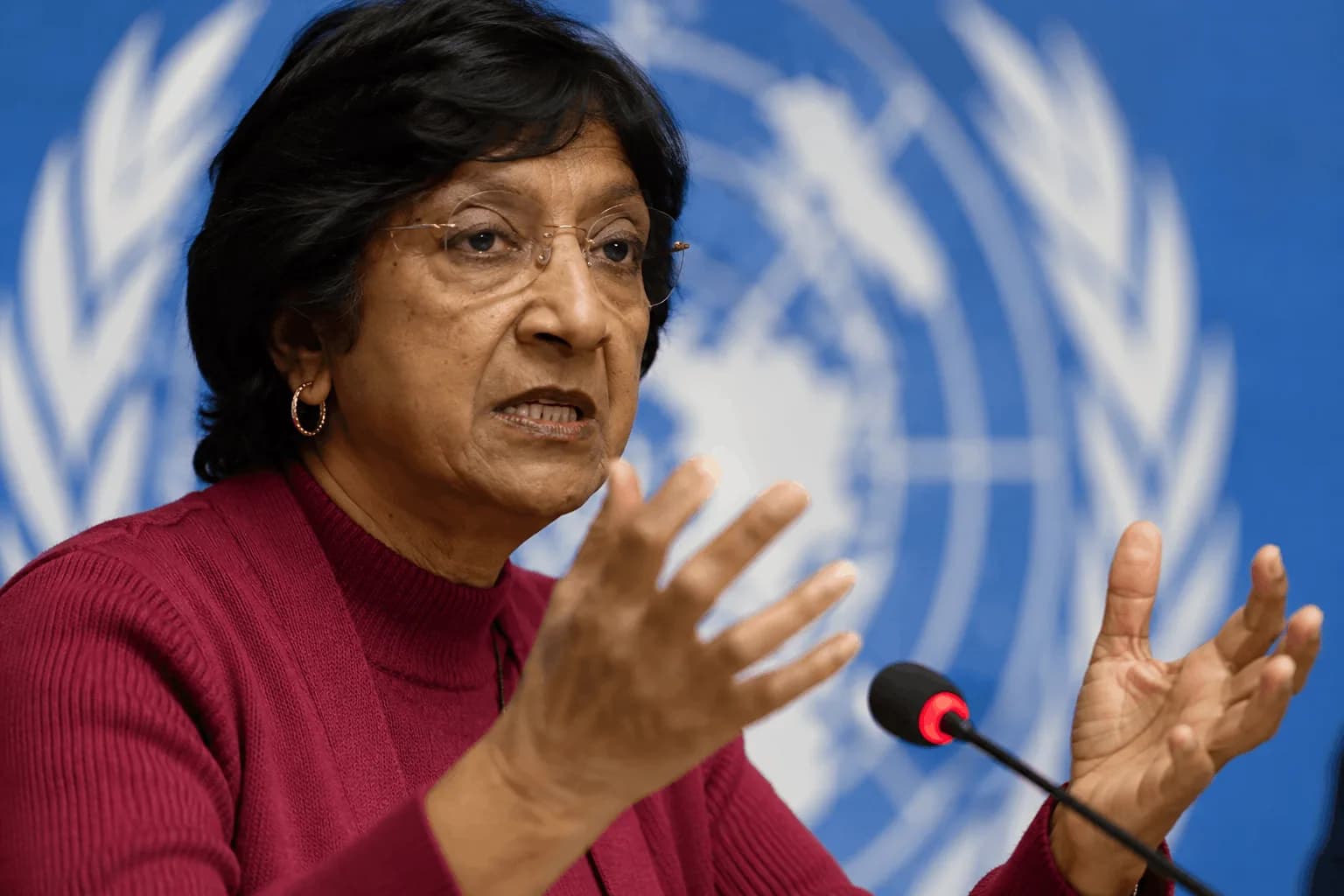
 Linkedin
 Threads
 Facebook
 X
X
The 2026 Nobel Peace Prize went Friday to Navanethem “Navi” Pillay, the 85-year-old South African jurist, former U.N. High Commissioner for Human Rights and veteran of international tribunals.
The Norwegian Nobel Committee said Pillay was selected for her work strengthening international law and helping ensure that war crimes, crimes against humanity and genocide can be prosecuted.
That is a substantial career.
But Americans watching President Trump spend much of his second term negotiating ceasefires and agreements may reasonably ask a different question:
If stopping wars is not enough to win the Peace Prize, what exactly is the Nobel Committee measuring?
Trump’s Case Was Built on Deals, Not Institutions
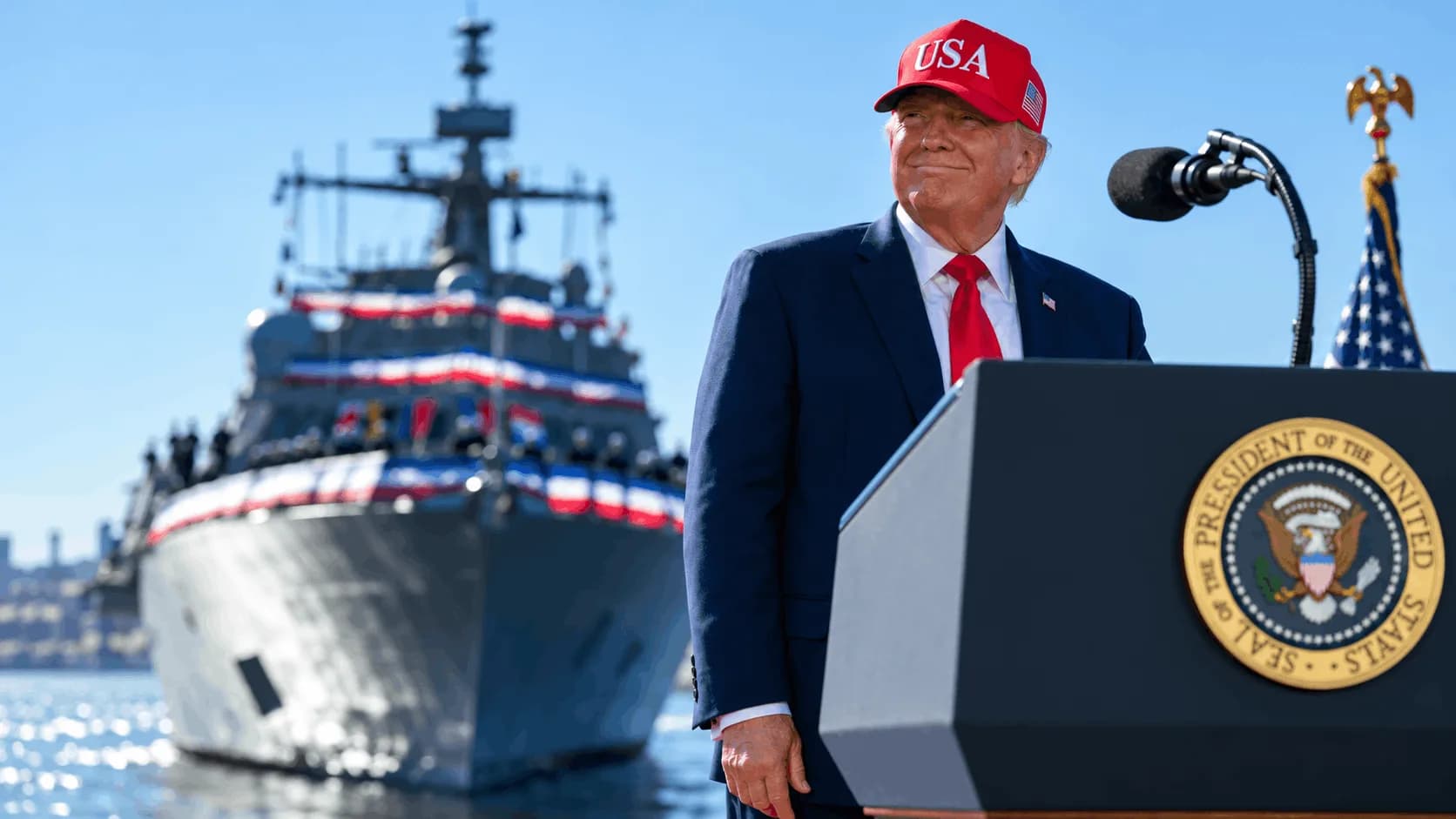
Trump has repeatedly argued that he deserves the award because of his involvement in a series of international conflicts.
The White House says his administration helped end or de-escalate eight conflicts involving Israel and Gaza, Israel and Iran, Armenia and Azerbaijan, India and Pakistan, Rwanda and the Democratic Republic of Congo, Cambodia and Thailand, Egypt and Ethiopia, and Kosovo and Serbia.
Some of those achievements are significant.
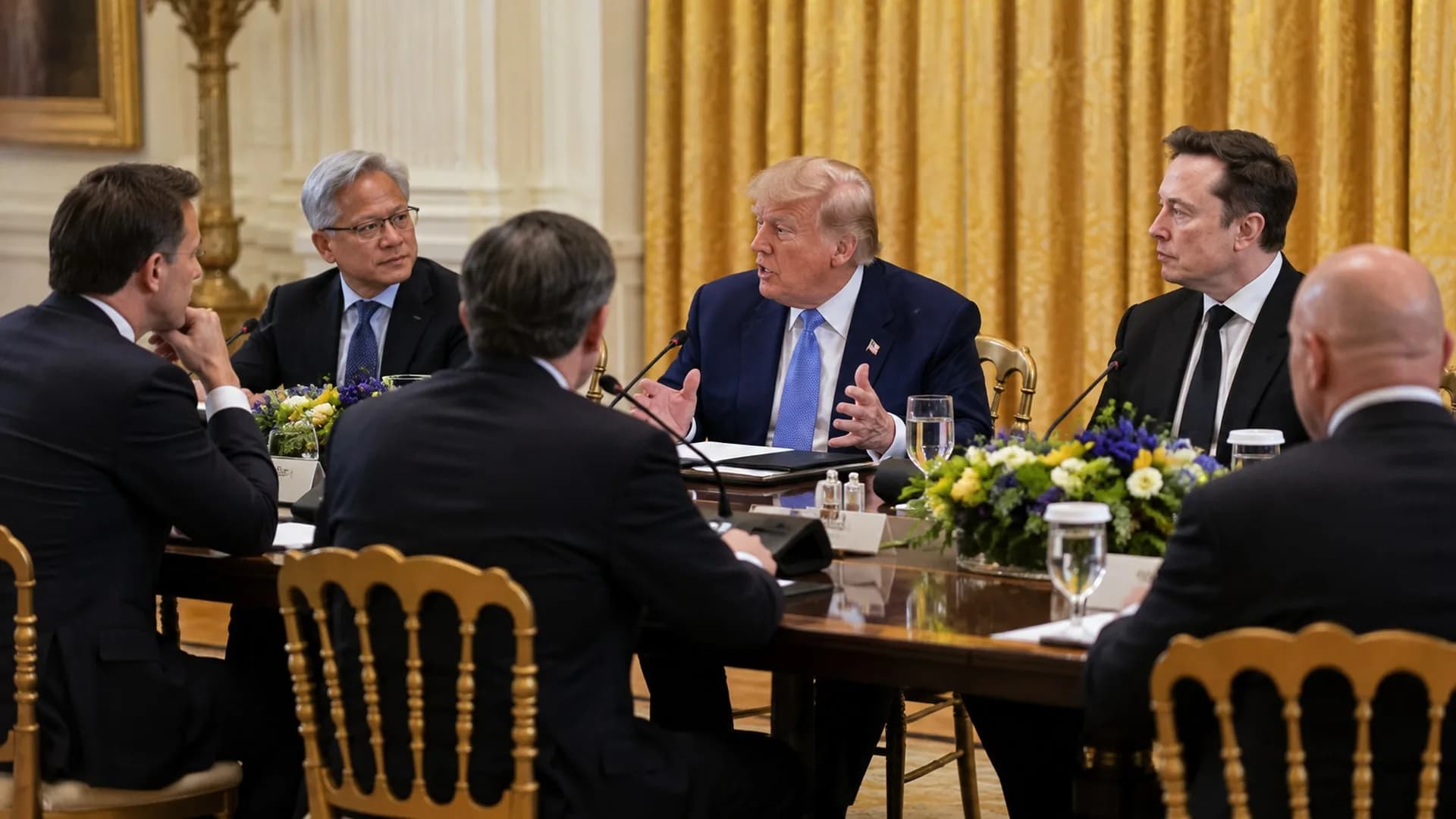
Trump brought the leaders of Armenia and Azerbaijan to Washington for a joint declaration after decades of hostility. His administration participated in the Rwanda-Congo peace process. Washington played a role in stopping dangerous escalation between India and Pakistan and helped broker ceasefire arrangements elsewhere.
But the record is not as simple as saying eight wars permanently disappeared.
Independent reporting has found that several agreements remain fragile, some underlying disputes were never fully resolved, and violence later returned in certain regions.
That distinction matters.
Trump can credibly point to real diplomatic interventions and ceasefires without every White House description of “ending a war” having to be accepted literally.
Pillay Represents a Completely Different Philosophy
The Nobel Committee appears to be rewarding something else.
Pillay's career is built around the idea that lasting peace depends on international courts, legal institutions and accountability for human-rights abuses.
She defended anti-apartheid activists in South Africa, served on international criminal tribunals and later became the U.N.'s top human-rights official.
More recently, she chaired the U.N. commission that concluded Israel had committed genocide in Gaza—a determination Israel has strongly rejected and that remains intensely contested internationally.
That makes the contrast with Trump especially striking.
Trump's foreign policy often places national sovereignty, bilateral negotiation, economic pressure and military strength ahead of international institutions.
Pillay's career represents almost the reverse:
international law, multilateral institutions and courts constraining governments.
This may explain Friday's decision better than any discussion about personalities.
What Does the Nobel Committee Actually Consider “Peace”?
Alfred Nobel's original will called for the award to recognize work advancing fraternity between nations, reducing standing armies and promoting peace. The prize is selected by a five-member Norwegian committee appointed by Norway's parliament.
Over time, however, the definition of peace expanded dramatically.
Human rights.
Democracy.
International institutions.
Nuclear disarmament.
Civil society.
Accountability.
All have become legitimate Nobel criteria.
That is the committee's prerogative.
But it also means the Nobel Peace Prize is not simply an award for the person who negotiated the most ceasefires during a particular year.
And that is where Americans should understand what happened Friday.
Trump and the Nobel Committee may not actually be competing on the same scoreboard.
Trump Did Not Get the Medal. His Record Still Exists.
Trump said earlier this week that he believed he deserved the prize but doubted the committee would choose him.
He was right about both comments.
The Nobel went to Pillay.
However, that does not erase Trump's diplomatic interventions.
It also does not magically transform every White House ceasefire claim into a permanent peace agreement.
Both facts can exist simultaneously.
And perhaps that is the more interesting story than who received a medal in Oslo.
One vision of peace says strong nations pressure adversaries, negotiate deals and stop the shooting.
Another says peace ultimately depends on international rules and institutions powerful enough to hold nations accountable.
The Norwegian Nobel Committee made very clear Friday which vision it wanted to honor.
History will have considerably longer than one awards committee to determine which approach actually produced more peace.