
 2 min read
 7
 Linkedin
 Threads
 Facebook
 X

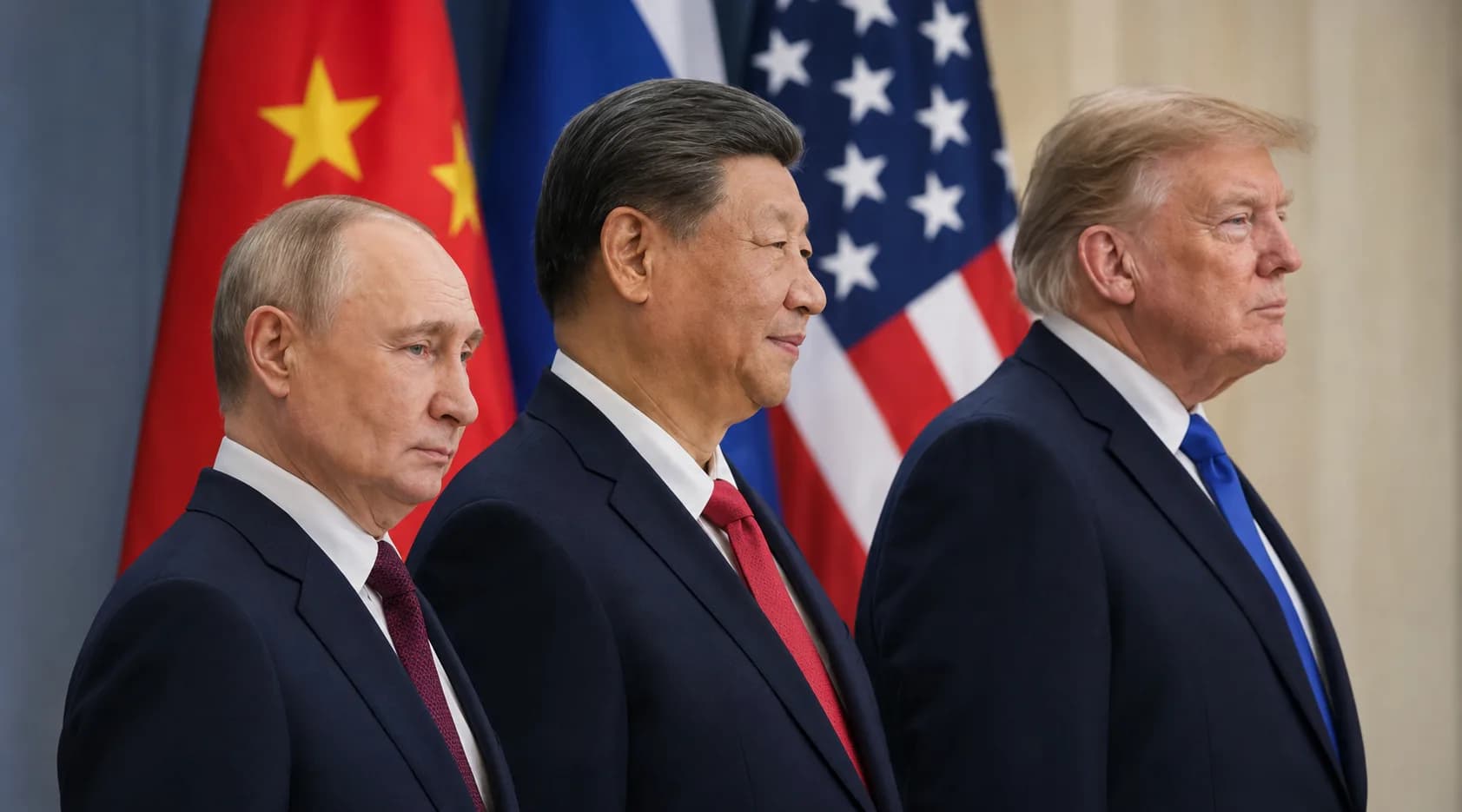
President Donald Trump has taken a significant diplomatic step by bringing the leaders of Russia and China together around a shared declaration addressing nuclear security, global energy supplies, and international cooperation.
Trump, Russian President Vladimir Putin, and Chinese President Xi Jinping met in Shenzhen, China, for an unprecedented three-way summit.
The meeting concluded with a joint declaration outlining four areas of cooperation, including nuclear-risk reduction, United Nations reform, energy production, and the jurisdiction of international courts.
For the United States, the significance reaches beyond the diplomatic ceremony.
The three nations possess enormous military capabilities, influence global energy markets, and occupy permanent seats on the United Nations Security Council.
Their willingness to establish common priorities creates an opportunity to reduce dangerous tensions while protecting American strategic interests. <Cite refs={["turn626271view0","turn528522news37"]}/>
A New Conversation About Nuclear Security
The most consequential agreement concerns nuclear weapons.
The leaders reaffirmed that nuclear war cannot be won and must never be fought, while committing to dialogue aimed at reducing nuclear risks and preventing proliferation.
This follows the expiration of New START, the last major nuclear arms-control treaty between Washington and Moscow, in February 2026.
That treaty had limited deployed strategic nuclear weapons and established verification arrangements between the world's two largest nuclear powers.
China's expanding nuclear capabilities have added another dimension to the global security equation.
Trump has advocated a broader arms-control framework that includes Beijing alongside Washington and Moscow.
The Shenzhen declaration establishes a diplomatic opening for that approach, although specific negotiations, verification measures, and weapons-reduction targets have not yet been announced.
The strategy reflects an important principle: American military strength and direct diplomacy can work together.
Maintaining credible defenses while communicating with rival powers offers a path toward preventing catastrophic miscalculations.
Energy Security Becomes a Shared Priority
The declaration also addresses an economic issue affecting households worldwide: energy.
The three governments announced plans to increase the production and supply of refined petroleum products while supporting stable international energy flows.
Why does this matter to Americans?
Petroleum products influence transportation, agriculture, manufacturing, and the movement of consumer goods.
Diesel powers trucks delivering groceries. Jet fuel supports aviation. Energy costs influence the expenses businesses face throughout their supply chains.
When global petroleum markets experience serious disruptions, those costs can eventually reach American consumers.
Greater supply and stability could help reduce volatility, depending on actual production levels and market conditions.
For the Trump administration, energy security is also part of a broader strategy emphasizing American production, industrial competitiveness, and economic independence.
The declaration provides another opportunity to advance those interests internationally.
Reforming Institutions That Shape World Politics
The three leaders also committed to pursuing reforms of the United Nations, seeking to improve its effectiveness in addressing international security challenges.
As permanent Security Council members, the United States, Russia, and China possess considerable influence over major UN decisions.
Their participation is especially important because substantial changes to the UN Charter require approval from all five permanent members, alongside broader international ratification.
The declaration also emphasizes state consent and legal protections for government officials in connection with the International Criminal Court and similar institutions.
This reflects a shared concern about the limits of international judicial authority, although the countries have different legal relationships with the court.
For Washington, these discussions create an opportunity to defend American sovereignty while pursuing cooperation on matters affecting global security.
Peace Through Strength and Diplomacy
The Shenzhen summit fits into Trump's broader approach of engaging directly with competing world powers while emphasizing American national interests.
The geopolitical stakes are considerable.
Russia's war in Ukraine, tensions involving China, and competition over military technology continue to shape international security.
No agreement ending those conflicts emerged from the declaration.
Its immediate achievement is establishing shared commitments on several important issues despite those disagreements.
That matters because sustained communication can provide a foundation for more detailed negotiations.
Diplomacy does not require nations to abandon their interests or ignore their differences. It requires recognizing where cooperation can prevent outcomes harmful to everyone.
A Stronger Future Through Strategic Leadership
The declaration represents an important opportunity for American diplomacy.
Bringing three powerful competitors into a common discussion about nuclear risks, energy stability, and international security creates a foundation for further engagement.
The next stage will involve translating these broad commitments into practical negotiations and measurable agreements.
For American families, the potential benefits are substantial: reduced risks of military confrontation, more dependable energy markets, and a more stable international environment for commerce and economic growth.
Lasting peace requires strength, communication, and the determination to negotiate even with difficult rivals. By placing the United States at the center of this historic diplomatic opening, the Trump administration has created an opportunity to advance American security while helping shape a more stable future for generations to come.