 5 min read
 9
9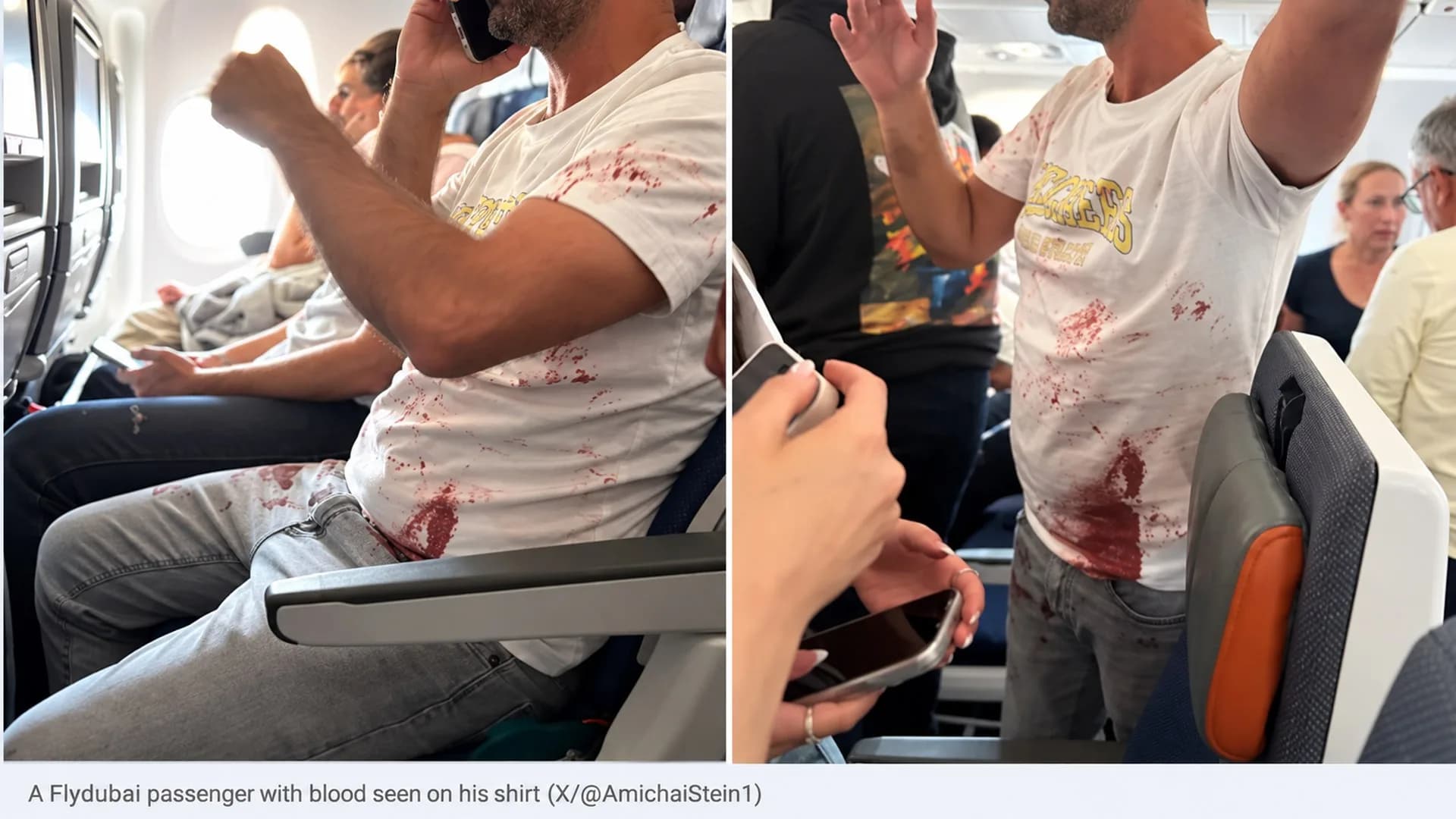
 Linkedin
 Threads
 Facebook
 X
X
What initially looked like a terrifying cockpit altercation aboard a Flydubai flight has become something much more serious.
Israeli Defense Minister Israel Katz said Wednesday that preliminary information indicates the incident aboard Flight FZ1073 was an “attempted jihadist terrorist attack” intended to bring down the aircraft with everyone aboard. According to Katz, several Israeli passengers entered the cockpit, helped overpower the suspected attacker and assisted another flight crew in regaining control.
Prime Minister Benjamin Netanyahu separately said one pilot stabbed another and apparently attempted to crash the aircraft.
Flydubai has confirmed that the Dubai-to-Tel Aviv flight experienced an incident and diverted safely to Tabuk, Saudi Arabia, but the airline has not independently confirmed Israel’s description of the event as terrorism. Investigations are continuing.
That distinction matters.
But what happened aboard the aircraft was extraordinary regardless of motive.
Flight-tracking data cited by AP shows the Boeing 737 falling from roughly 33,000 feet to 17,000 feet in about a minute. Passengers described screaming, darkness inside the cabin and the feeling that the aircraft was losing control. Both pilots were hospitalized after landing.
Then look where the plane landed
There is another story hidden underneath the emergency.
The flight originated in the United Arab Emirates and was headed to Israel—a route that exists because Israel and the UAE normalized diplomatic relations through the 2020 Abraham Accords.
Then, when something went catastrophically wrong, the aircraft found refuge in Saudi Arabia, a country that still does not formally recognize Israel.
Saudi authorities received the aircraft, provided medical assistance and arrested the suspected attacker, according to Netanyahu.
Saudi Arabia is not part of the Abraham Accords, and this emergency landing should not be described as diplomatic normalization.
But the practical reality is worth noticing.
An Emirati airline carrying Israelis toward Tel Aviv encountered a possible terror attack—and an Arab kingdom without formal relations with Israel became the safe place where the passengers landed.
Saudi Arabia ended its longstanding restriction on Israeli overflights in 2022 and has since handled previous emergency landings involving Israeli passengers.
That is how geopolitical change sometimes appears in the real world.
Not in a treaty ceremony.
In an emergency.
The most immediate story is heroism aboard an aircraft that could have ended in disaster.
The larger story is that a Middle East once divided by nearly absolute barriers now contains enough practical cooperation that, when lives were on the line, the plane had somewhere to go.
Investigators will determine whether terrorism was in fact the motive.
But one thing is already clear:
Someone apparently tried to take control of that aircraft—and other people refused to let it happen.