
 2 min read
 72
 Linkedin
 Threads
 Facebook
 X

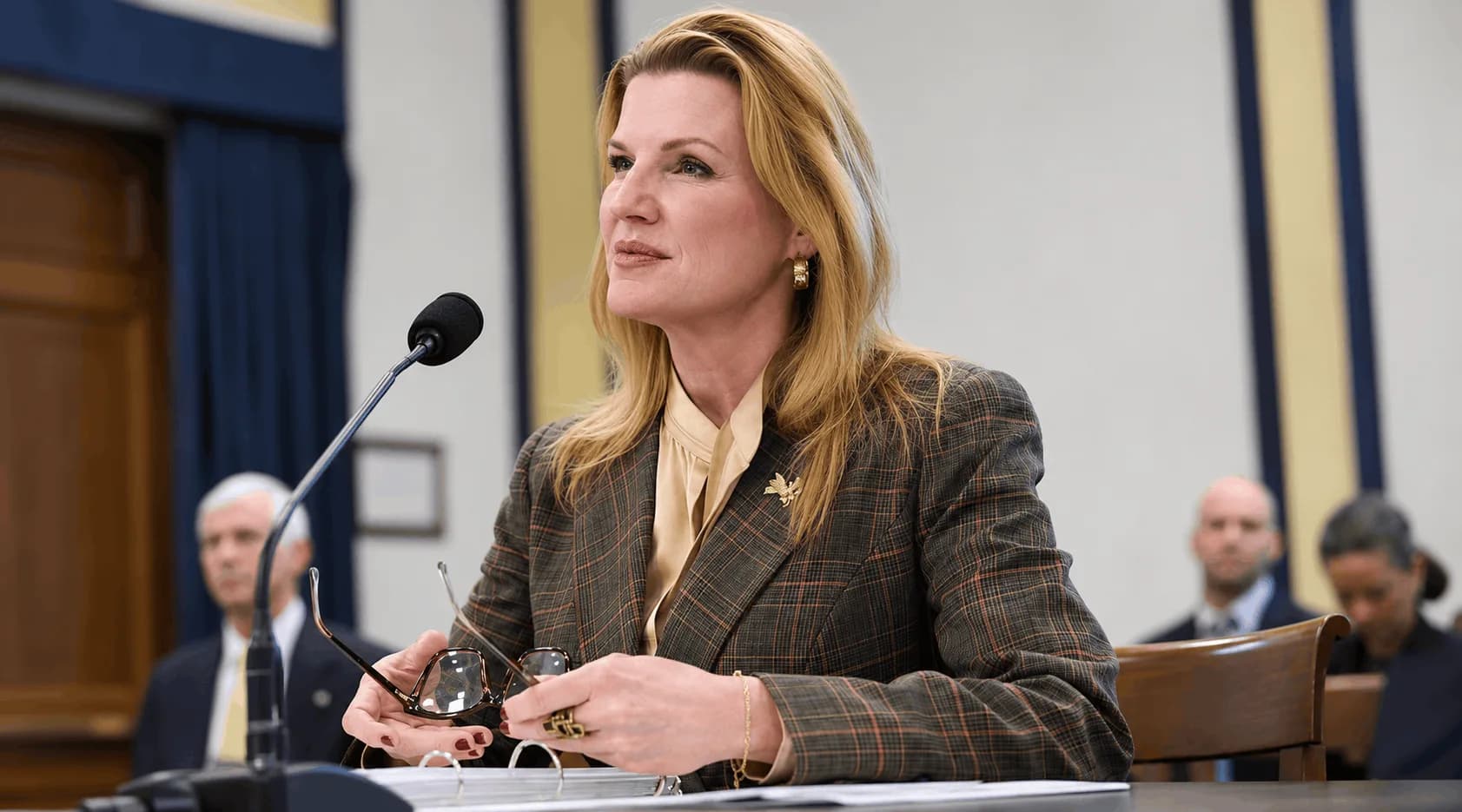
President Donald Trump is strengthening America's cybersecurity leadership by selecting Kirsten A. Davies, the Pentagon's chief information officer, as the next National Cyber Director.
Announced by the White House on November 20, the decision places an experienced technology executive at the center of the administration's efforts to protect American networks, businesses, military systems, and critical infrastructure.
Davies succeeds Sean Cairncross and brings experience managing cybersecurity operations in both government and major international corporations. Her permanent appointment requires Senate confirmation. In the meantime, Director of National Intelligence Jay Clayton has been designated to serve as acting National Cyber Director.
The move reflects a broader administration priority: Cybersecurity is no longer simply an information technology problem. It is a fundamental component of America's national defense, economic security, and technological independence.
Why This Appointment Matters
Modern America depends on digital systems for nearly every essential activity.
Hospitals use connected equipment. Banks process electronic transactions. Manufacturers rely on automated production lines. Electrical utilities operate sophisticated control networks.
A successful cyberattack against any of these systems can affect far more than computers.
It can interrupt medical services, delay payments, disrupt transportation, or threaten military operations.
The Office of the National Cyber Director coordinates cybersecurity strategy across federal agencies, helping align national priorities rather than allowing individual departments to operate independently.
Davies' experience makes her an important choice for that responsibility.
Before joining the Pentagon, she held technology and cybersecurity leadership positions at Unilever, Estée Lauder, Hewlett Packard, Siemens, and Barclays Africa Group.
That combination of military and corporate experience provides insight into both national defense requirements and the challenges confronting private American businesses.
Taking the Fight to Foreign Cybercriminals
The administration's strategy extends beyond defending networks after attacks occur.
According to the White House, federal authorities have seized infrastructure associated with Chinese state-sponsored hacking operations targeting American institutions, including NASA and the Federal Reserve.
The administration has also supported criminal charges against alleged Chinese hackers and imposed sanctions on organizations accused of enabling ransomware operations.
These actions reflect an increasingly proactive approach.
Cybercriminals often operate internationally, making traditional domestic enforcement insufficient.
Disrupting malicious infrastructure, pursuing financial networks, and coordinating with technology companies can increase the difficulty and cost of conducting attacks against American targets.
The objective is to make America's digital environment harder to penetrate while demonstrating that hostile operations carry consequences.
AI and Quantum Computing Change the Battlefield
Two technological developments are reshaping cybersecurity: artificial intelligence and quantum computing.
AI can help security teams examine enormous volumes of network activity, identify suspicious behavior, and discover software vulnerabilities more quickly.
The White House says the administration has expanded AI-assisted defense capabilities across federal and military networks.
Meanwhile, quantum computing presents a different long-term challenge.
Future sufficiently powerful quantum computers could threaten widely used encryption systems that protect sensitive communications and financial information.
The administration has directed high-value federal systems toward post-quantum cryptographic protections by 2030.
This is particularly important for information that must remain confidential for decades, including military intelligence and sensitive government records.
Preparing today can reduce America's exposure to emerging technological threats.
Protecting American Families and Businesses
Cybersecurity investments also have direct economic consequences.
A small business affected by ransomware may lose access to customer records, payment systems, or essential operating software.
A compromised hospital can face interruptions to patient services.
An attack on transportation or energy infrastructure can create financial consequences throughout entire communities.
Strengthening national cybersecurity therefore protects the conditions that allow American families and businesses to thrive.
It also creates opportunities for American software engineers, cybersecurity specialists, AI developers, and technology entrepreneurs.
As digital security becomes more sophisticated, domestic expertise will be essential to protecting America's competitive advantage.
A Stronger Digital Future for America
Davies' selection connects experienced leadership with an administration strategy emphasizing stronger defenses, proactive enforcement, advanced technology, and protection against foreign threats.
The appointment also reinforces a larger principle: Economic leadership and national security increasingly depend on the same technological foundations.
The United States cannot lead confidently in artificial intelligence, advanced manufacturing, digital commerce, or military innovation without secure networks supporting those industries.
By strengthening cyber leadership and investing in modern defenses, the administration is working to protect both America's present capabilities and its future opportunities.
The next generation of American prosperity will be built on technology. Securing that technology is essential to protecting our families, defending our country, and ensuring that America's digital future remains in American hands.