 2 min read
 6
6
 Linkedin
 Threads
 Facebook
 X
X
Something unusual happened inside Russia’s public-health system last week.
Darya Shipilova, 28, worked at the Irkutsk Anti-Plague Research Institute of Siberia and the Far East, a facility involved in studying and monitoring some of the world’s most dangerous infectious diseases.
She became seriously ill.
On October 2, she died.
Russian authorities say the cause was pneumonia of unknown origin and insist that extensive testing has found no evidence her illness was connected to dangerous microorganisms associated with her work. No other institute employees have been reported sick.
But the precautions surrounding the case immediately attracted international attention.
The hospital where Shipilova received treatment was quarantined. Contacts were placed under medical observation. More than 60 employees at the institute were reportedly confined while authorities investigated, and additional preventive measures were introduced in the region.
So what happened?
At the moment, nobody outside the Russian investigation can say with certainty.
And that uncertainty is exactly why Washington is paying attention.
Rubio Said: Watch It, But Don’t Panic
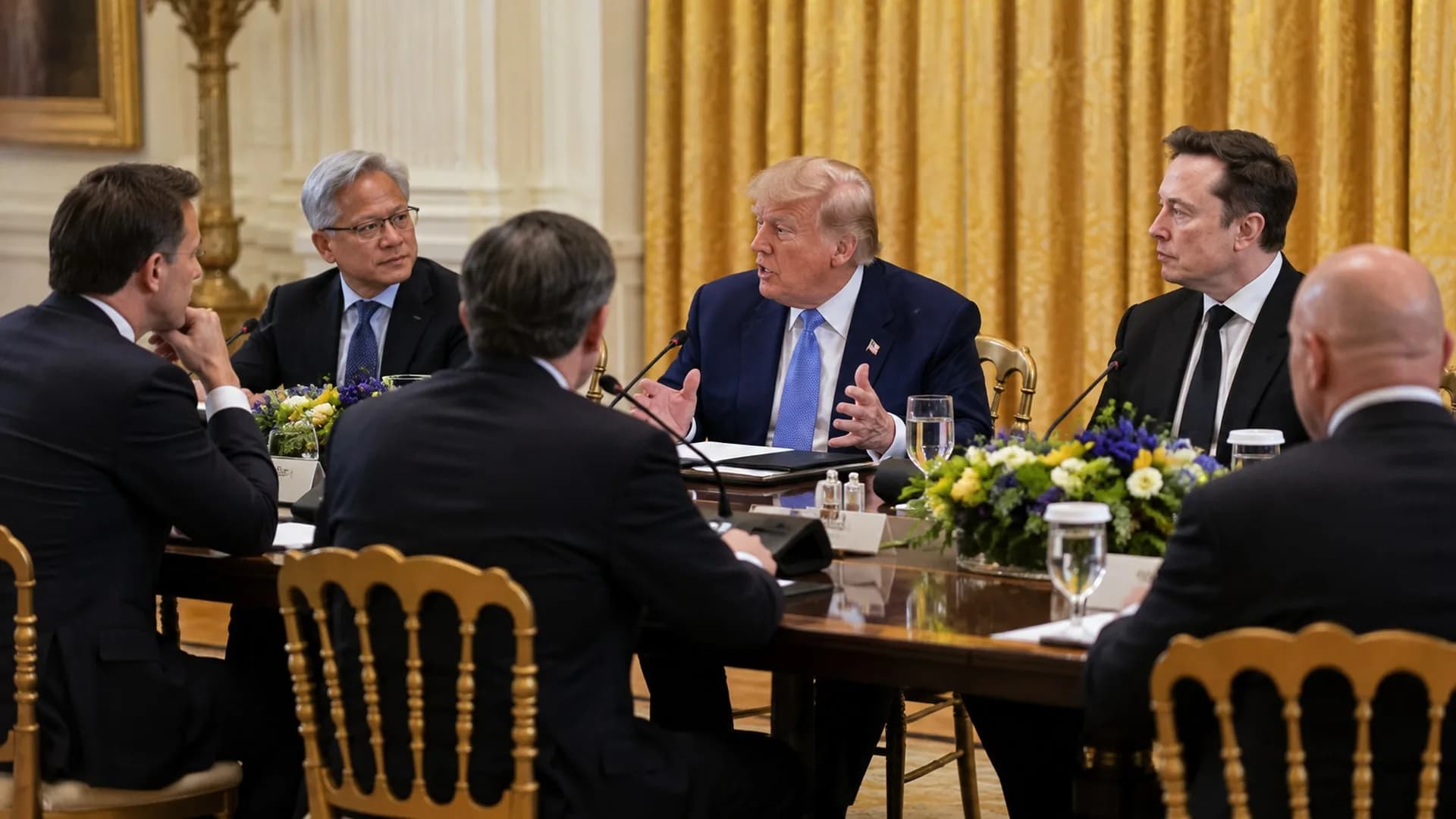
Reporters asked Secretary of State Marco Rubio about the situation Monday.
His answer was measured.
The United States, he said, is “watching and monitoring it closely.”
But Rubio also emphasized that he does not currently consider the situation a reason for public alarm. He described it instead as something requiring focus and continued attention.
Rubio noted another important factor: travel between the United States and Russia is currently limited.
That reduces one obvious pathway for rapid movement between the two countries.
But infectious disease does not respect political borders.
Rubio summarized the concern simply: if something highly transmissible escapes containment, “it just quickly spreads.”
The State Department says it is monitoring developments alongside the Centers for Disease Control and Prevention and has urged Russian authorities to provide accurate information about what happened.
That is the correct posture right now.
Not panic.
Not conspiracy theories.
Verification.
One Important Clarification: Plague Is Not a Virus
Despite some social-media descriptions of the story, plague is not a virus.
It is caused by a bacterium called Yersinia pestis.
The most familiar form is bubonic plague, historically associated with infected fleas and the Black Death.
But the form generating concern in Russia is pneumonic plague, which affects the lungs.
That distinction matters because pneumonic plague can spread between people through infected respiratory particles. The World Health Organization describes it as the most virulent form of the disease. Without early treatment it can become fatal extremely quickly.
There is also reassuring news.
This is not medieval Europe.
Modern antibiotics are effective against plague when the infection is diagnosed and treated early. WHO says recovery rates are high when pneumonic plague is identified and treated promptly.
So even if plague were eventually confirmed, that would not automatically mean an uncontrollable global outbreak.
And to be clear:
Russia has not confirmed that Shipilova had plague.
Then Why So Many Precautions?
This is the question making the story interesting.
Russian health officials say tests have shown no connection between Shipilova’s illness and the pathogens handled at the institute.
The Kremlin is publicly trying to calm concern.
Yet authorities still quarantined medical facilities, traced contacts and implemented unusually aggressive preventive measures.
That does not prove officials are hiding something.
When a person working around dangerous pathogens suddenly dies from unexplained pneumonia, taking extreme precautions before every answer is available is exactly what responsible public-health authorities should do.
But those precautions also explain why other governments are watching.
This is not simply someone developing pneumonia somewhere in Siberia.
It involves an employee of an anti-plague research facility.
That changes the level of scrutiny.
What We Know—and What We Don’t
Here is where the story stands.
A young Russian laboratory employee is dead.
Her official diagnosis remains pneumonia of unknown origin.
Reports that she contracted pneumonic plague remain unconfirmed.
Russian authorities say testing found no occupational connection.
No broader outbreak has been confirmed.
The United States is monitoring the situation.
And Rubio says Americans should pay attention without assuming the worst.
That may sound less dramatic than the rumors spreading online.
But after everything the world learned during COVID, transparency around unusual disease events—especially events connected to laboratories studying dangerous pathogens—is no longer optional.
Governments need to know what happened.
Scientists need the data.
And the public deserves accurate information before speculation fills the vacuum.
For now, Russia says this was not plague.
Washington is listening.
But it is also watching.