

 3 min read
 4
 Linkedin
 Threads
 Facebook
 X

There is good news for American families preparing to celebrate Christmas: The price of a real Christmas tree is expected to remain largely unchanged this season, even as growers contend with higher operating expenses.
A new industry outlook shows that 91% of surveyed wholesale Christmas tree growers do not plan to increase their prices in 2026. Some are even considering reductions.
The findings come from the Real Christmas Tree Board, an industry organization that surveyed 47 major growers representing an estimated half to two-thirds of the American market.
According, real Christmas trees are being offered at some locations starting around $90, although prices vary depending on location, size, and variety.
For families balancing groceries, gifts, utilities, and other seasonal expenses, stable prices offer a welcome opportunity to maintain a treasured tradition without another unexpected increase.
But the story extends beyond holiday shopping.
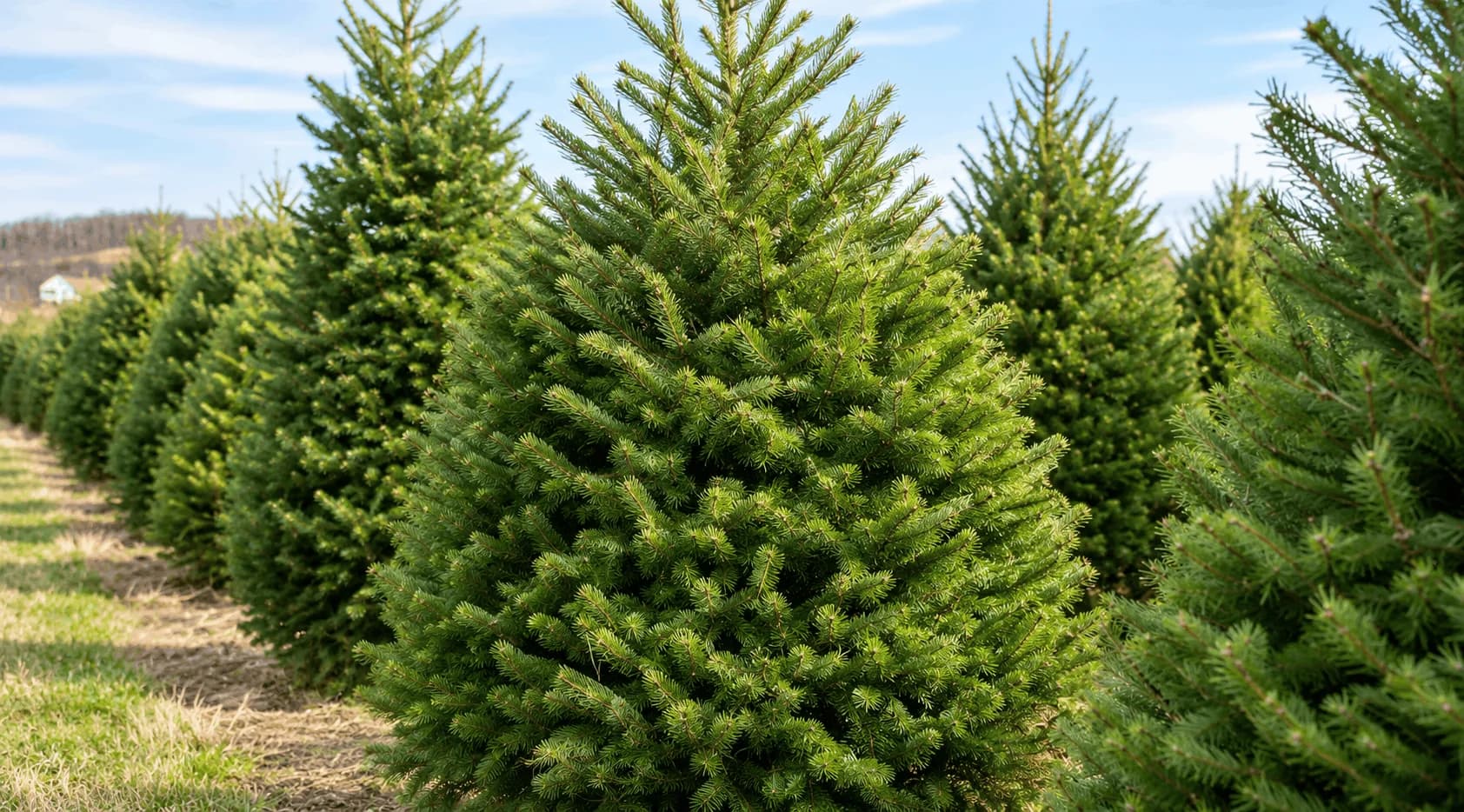
Behind every Christmas tree stands an American agricultural industry that has spent years preparing for this season.
Why Prices Are Staying Steady
The strongest explanation is supply.
According to the Real Christmas Tree Board's 2026 survey, 85% of participating growers described this year's supply as strong or very strong.
That means consumers should have a healthy selection of trees available across farms, garden centers, seasonal lots, and retailers.
Meanwhile, 79% of growers expect to sell at least as many trees as they did last year.
This combination of dependable supply and stable demand is helping keep wholesale prices under control.
The trend is particularly encouraging compared with 2025, when 84% of surveyed growers expected to maintain or reduce prices. This year, that figure has increased to 91%.
Growers are also making an important business decision.
Despite rising expenses for fuel, labor, transportation, and other agricultural inputs, many have chosen to absorb additional costs rather than pass them directly to retailers.
That decision helps preserve affordability for customers, although retail prices ultimately depend on individual sellers.
For consumers, the result is an encouraging market outlook at a time when household budgets remain an important concern.
The American Farmers Behind Christmas
Christmas trees do not appear overnight.
Depending on their species and growing conditions, many require seven to ten years of cultivation before reaching the height Americans commonly purchase.
During those years, farmers must manage soil conditions, protect trees from pests, trim branches, maintain equipment, and prepare for unpredictable weather.
Each tree represents years of planning, patience, and investment.
According to the U.S. Department of Agriculture's 2022 Census of Agriculture, approximately 16,600 American farms had Christmas trees in production.
More than 14.5 million trees were harvested that year, generating approximately $553 million in sales for growers. These are the latest comprehensive agricultural census figures, rather than a forecast of 2026 sales.
Oregon and North Carolina are particularly important producers, together accounting for more than half of America's harvested Christmas trees in 2022.
Other major producing states include Michigan, Washington, Pennsylvania, Wisconsin, and Virginia.
These farms contribute to rural economies by supporting agricultural employment, transportation, equipment suppliers, retail businesses, and seasonal workers.
When Americans purchase a domestically grown Christmas tree, they participate in an economic chain that often begins years earlier on family-owned farmland.
A Family Tradition With Economic Value
For many Americans, choosing a Christmas tree is more than a shopping trip.
It is an annual family experience.
Parents and children visit farms, compare different varieties, select their favorite tree, and bring it home to decorate together.
Some families return to the same farm for generations.
That connection between family tradition and American agriculture is part of what makes the Christmas tree industry distinctive.
In Salem, Oregon, Jake and Leslie Buckendorf operate Buckendorf Family Tree Farm.
They told that customers have been arriving earlier this season and that their business intends to maintain the same wholesale and retail prices as last year.
Their experience reflects an encouraging development: Growers are preparing for strong consumer interest while prioritizing price stability.
The value of a real Christmas tree extends beyond its price tag. It represents a tradition that brings families together and supports the agricultural communities that make that tradition possible.
Real Trees Gain an Advantage Over Artificial Options
The pricing outlook also reveals an interesting difference between natural and artificial Christmas trees.
While most surveyed real-tree growers plan to hold wholesale prices steady, artificial Christmas tree prices have increased by approximately 10% to 15% over the past two seasons, according to the American Christmas Tree Association.
Artificial trees offer conveniences that some households prefer, including reuse over multiple years and less maintenance.
Real trees offer a different experience.
They provide the fragrance of fresh evergreens, the opportunity to select a unique tree, and the satisfaction of purchasing an agricultural product grown on American farms.
There is also an environmental consideration.
Real Christmas trees are cultivated as crops. Farms replant trees as part of ongoing production, and harvested trees can often be recycled into mulch or compost through local programs.
Oregon State University's Extension Service notes that real trees absorb carbon dioxide while growing and support agricultural land use and local employment.
The overall environmental comparison with artificial trees depends on factors including transportation, manufacturing, reuse, and disposal.
For families interested in supporting American agriculture, buying a locally grown tree is one practical way to direct holiday spending toward domestic producers.
How to Choose a Tree That Lasts
Strong supplies give shoppers an opportunity to be selective.
Before visiting a farm or retail lot, families should measure the height of their ceiling and determine how much floor space is available.
Remember to leave room for the tree stand and any decoration placed at the top.
Freshness is equally important.
Experts recommend examining the tree's needles. On many popular fir varieties, fresh needles should feel flexible rather than brittle.
A tree that is excessively dry or shedding large numbers of green outer needles may not remain attractive throughout the season.
Once home, proper care can significantly improve longevity.
The National Christmas Tree Association recommends making a fresh, straight cut of approximately half an inch from the trunk before placing the tree in a water-filled stand.
The stand should contain enough water to keep the base submerged at all times.
Trees should also be positioned away from fireplaces, heaters, and other significant heat sources.
Families should inspect decorative lights for damaged wiring and turn them off before going to bed or leaving home.
These simple steps help preserve freshness while improving household safety.
A Strong Season for American Christmas Traditions
The Christmas tree industry's outlook demonstrates how long-term agricultural planning and stable supplies can benefit American consumers.
Growers are entering the season with a substantial inventory, confidence in customer demand, and a widespread commitment to maintaining prices.
For families, that means greater opportunities to find a tree that fits both their home and their budget.
For farmers, the season offers another opportunity to sustain businesses built through years of dedication and investment.
And for rural communities, Christmas tree sales support economic activity reaching far beyond the farm itself.
There is something particularly meaningful about this connection.
A Christmas tree purchased today may have been planted nearly a decade ago by an American farmer who carefully cultivated it through changing seasons and economic conditions.
That tree eventually becomes part of a family's celebration, surrounded by ornaments, memories, and traditions.
Christmas is about far more than what Americans spend. It is about faith, family, generosity, and the traditions that connect generations. With strong supplies and stable prices, American Christmas tree growers are helping families preserve those traditions while supporting the farms and communities that keep them alive.