 3 min read
 7
7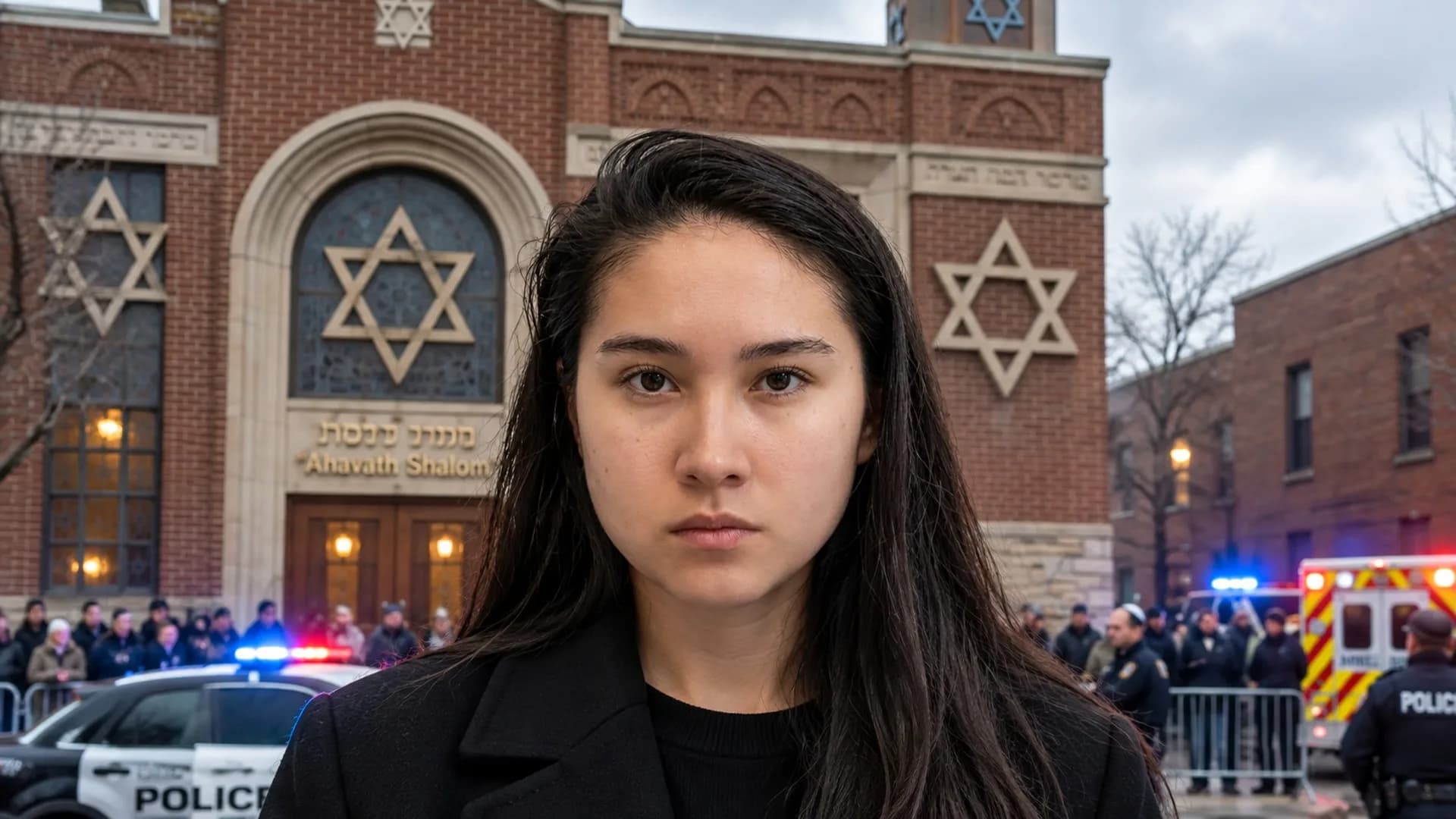
 Linkedin
 Threads
 Facebook
 X
X
Authorities say an alleged plot to carry out a mass-casualty attack against Congregation Beth Israel in Houston was disrupted earlier this year.
Court records accuse 18-year-old Angelina Han Hicks of conspiring with others to attack members of the synagogue and “kill as many Jews as possible” by using a vehicle. A Houston-area teenager was also detained in connection with the broader investigation. The synagogue and its neighboring school temporarily closed while law enforcement assessed the threat.
That should disturb every American.
And Christians should pay particular attention.
This was not an argument on social media.
It was not somebody saying something offensive.
Investigators allege that people were discussing killing Jews at a house of worship.
That means the issue reaches directly into questions Christians repeatedly say matter: religious liberty, protection of innocent life, public safety and the freedom to worship without fear.
This Is Why Midterms Matter
Many Americans treat midterm elections as the election between the “real” elections.
That is a mistake.
Members of Congress vote on Justice Department funding, federal law-enforcement priorities, homeland security, judicial confirmations, national security and civil-rights legislation.
State and local officials make decisions involving prosecutors, policing, schools and the protection of religious institutions.
Those offices matter long before a presidential election arrives.
And Christians do not need a pastor or political party telling them which box to check in order to understand something basic:
Citizens who care about the direction of the country should participate in choosing the people who govern it.
Pew Research found that Americans who combine religious participation with broader community involvement are also among the groups most likely to vote and engage in civic life. At the same time, most Americans say houses of worship should not formally endorse political candidates.
That distinction is healthy.
The church does not have to become a campaign office.
The Christian does not have to become politically silent.
Look Beyond the Campaign Commercials
The question for Christian voters should not simply be:
Which candidate has an “R” or a “D” beside the name?
Ask harder questions.
What has this candidate actually done regarding religious liberty?
What is his or her position on antisemitism?
How does the candidate view law enforcement and violent extremism?
What will this person support when religious institutions are threatened?
How seriously does the candidate take constitutional protections for people of every faith?
Those questions are especially important when incidents such as the alleged Houston plot show that threats against religious communities are not theoretical.
The FBI reported more than 10,000 hate-crime incidents nationwide in 2025, involving bias based on race, religion and other protected characteristics.
Christians should care when Jews are threatened.
Jews should care when Christians are threatened.
And Americans of every faith should care when the government fails to protect somebody's ability to worship safely.
Faith Should Produce Responsibility
Scripture repeatedly connects belief with action.
Christian citizenship should therefore involve more than complaining about Washington, posting online or waiting for someone else to protect the culture.
Study the candidates.
Study their records.
Talk with your family.
Understand what Congress actually controls.
Then participate.
The Houston case ended with arrests instead of funerals because somebody reported a threat and law enforcement acted.
Politics cannot eliminate evil.
But government decides whether institutions are prepared to confront it.
That is one reason the midterms matter.
Not because Christians should blindly vote for a party.
Because Christians who believe their values matter in public life should understand that representative government only represents the people who participate in it.
November is another opportunity to do exactly that.