2 min read
 4
 Linkedin
 Threads
 Facebook
 X

America's labor market delivered a major surprise in October, adding 165,000 jobs as businesses expanded hiring across manufacturing, healthcare, professional services, and transportation.
The November 6 employment report from the Bureau of Labor Statistics showed job creation exceeding economists' expectations of approximately 65,000 by 100,000 positions.
Unemployment edged down to 4.1%, while employers added considerably more workers than the average monthly gain recorded over the preceding year.
The White House highlighted the results as evidence of strengthening economic momentum under President Donald Trump's policies supporting domestic investment, manufacturing, and private-sector expansion.
But the most important development lies beyond the headline figure.
American businesses are hiring across industries that support the country's productive economy, creating opportunities that extend from factory floors to hospitals, engineering firms, and transportation networks.
Manufacturing Adds 19,000 Jobs
One of October's most significant developments came from American manufacturing.
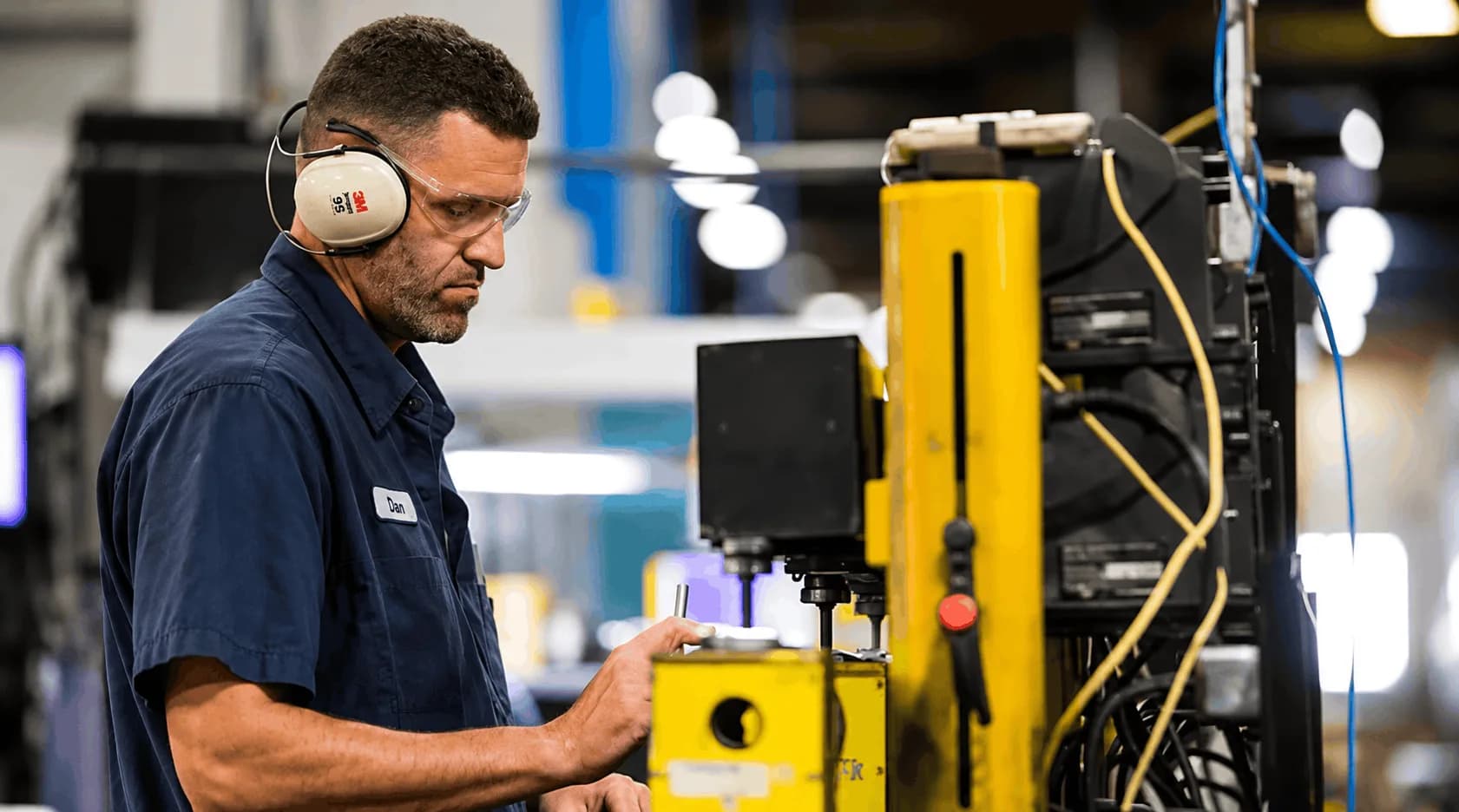
Factories added 19,000 jobs, bringing employment gains to approximately 101,000 since the sector's December 2025 low.
Computer and electronic product manufacturing contributed 7,000 positions, while machinery and primary metals each added 4,000.
These industries manufacture equipment essential to infrastructure, transportation, electronics, and advanced technology.
The administration connects this expansion to tax provisions, trade policies, and efforts to encourage companies to establish production in the United States.
Domestic manufacturing also supports smaller suppliers, engineering firms, equipment distributors, and construction businesses.
For communities built around industrial employment, expanding production can create opportunities for skilled trades and technical careers.
Private Businesses Drive Employment Growth
Private employers accounted for approximately 159,000 of October's 165,000 additional jobs.
Professional and business services led hiring with 70,000 positions.
Healthcare added another 42,000 jobs, including employment gains in hospitals, home healthcare, and outpatient facilities.
Transportation and warehousing contributed 25,000 positions, reflecting growing demand for delivery services and logistics.
The figures demonstrate that employment growth was not concentrated in a single industry.
Stronger hiring across multiple sectors can support household incomes while generating demand for goods and services throughout the economy.
Earlier Job Gains Were Stronger Than Reported
October's encouraging results were reinforced by upward revisions to previous employment estimates.
August's gain increased from 133,000 to 186,000 jobs, while September's figure rose from 29,000 to 60,000.
Together, those revisions added 84,000 positions to previously reported employment growth.
The three-month average consequently reached approximately 137,000 jobs, its strongest reading since May.
That matters because one month's performance can fluctuate considerably.
Several months of improving employment figures provide a clearer indication of business hiring conditions.
Economists from major financial institutions described the October report as substantially stronger than anticipated.
Higher Wages Bring Opportunities for Families
Average hourly earnings increased 0.4% in October, reaching $38.00.
Over the preceding twelve months, hourly wages rose 3.1%.
For workers, additional earnings can support housing expenses, transportation, groceries, savings, and family responsibilities.
However, wage growth describes earnings before adjusting for inflation. Whether families gain purchasing power depends on how quickly their living expenses increase.
The White House is also highlighting the Working Families Tax Cuts, including deductions for eligible overtime earnings, as part of its approach to improving workers' finances.
Together, employment growth and tax provisions can influence how much money households have available.
America's Economic Momentum Continues
The stronger jobs report follows third-quarter economic growth of 3.4% at an annualized rate, reinforcing signs of continuing business activity.
The administration views rising manufacturing employment and private hiring as evidence of progress toward an economy supported by domestic production and investment.
The next opportunity is sustaining that expansion while ensuring workers have the skills needed in increasingly sophisticated industries.
For employers, a growing labor market creates reasons to invest in training and productivity. For families, stable employment provides a foundation for financial planning and long-term security.
October's employment report offers encouraging evidence that American businesses are creating opportunities across the economy. Turning those gains into lasting careers, stronger industrial capacity, and rising household purchasing power will be essential to building prosperity that reaches communities throughout the country.