 5 min read
 11
11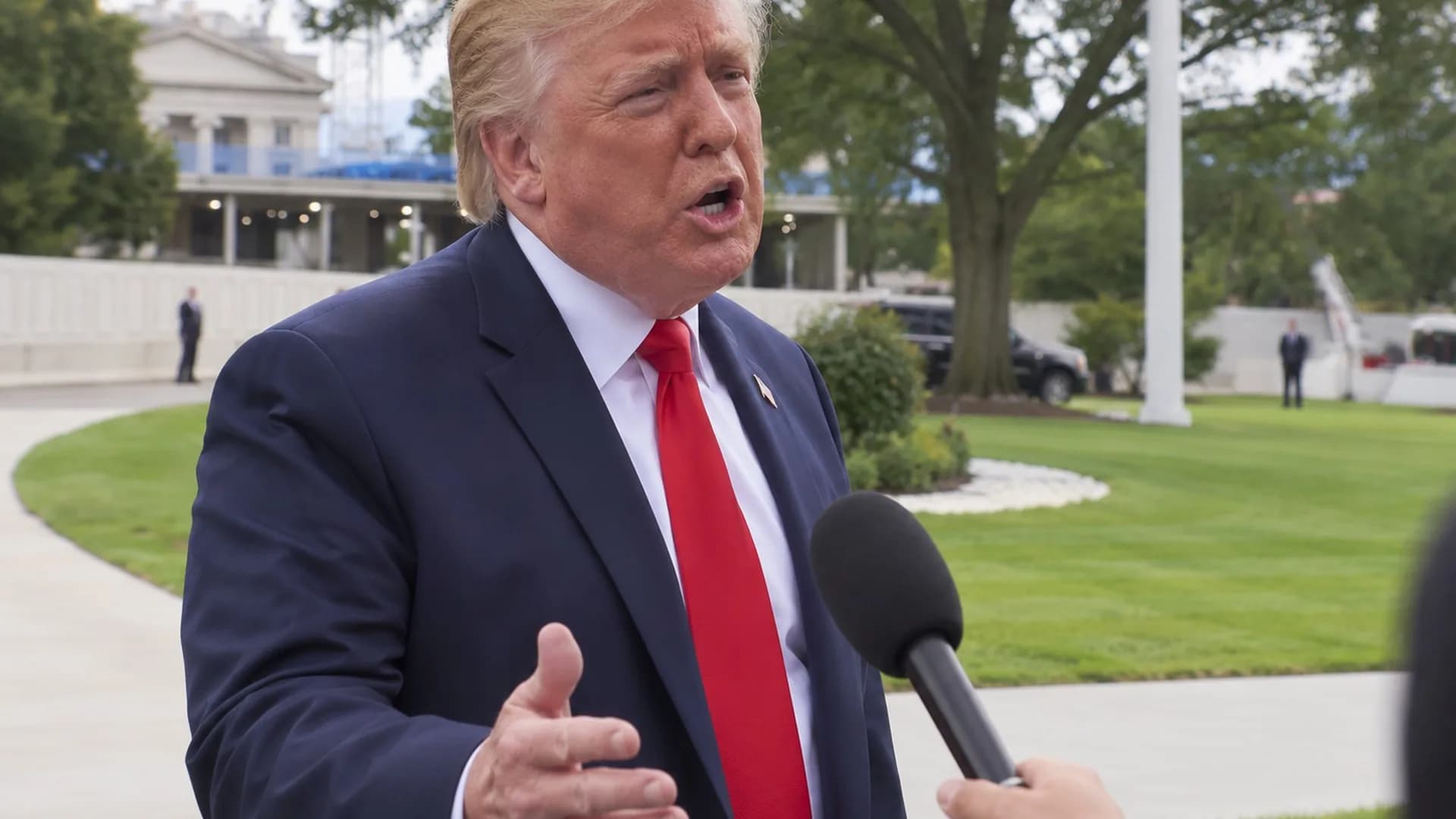
 Linkedin
 Threads
 Facebook
 X
X
Something important changed this week.
For months, Iran's public message was defiance.
No surrender.
No capitulation.
No acceptance of American demands.
Then Tehran arrived at the United Nations carrying a proposal.
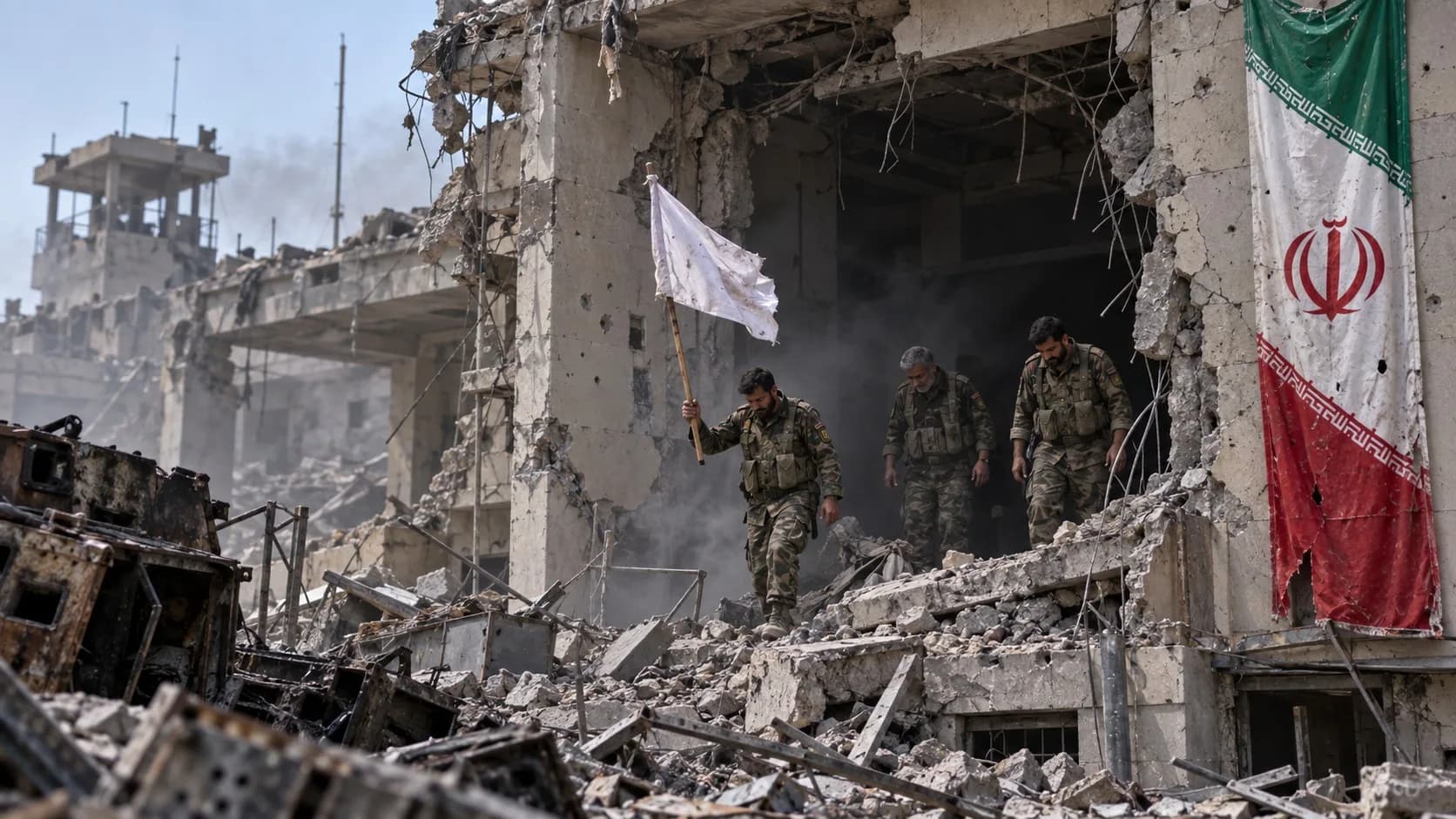
Iranian Foreign Minister Abbas Araghchi has now formally submitted a seven-day roadmap through Qatar that would reopen the Strait of Hormuz and restart negotiations if Washington agrees to conditions including easing economic pressure. The proposal reportedly seeks removal of the U.S. naval blockade, relief from some oil sanctions and access to frozen Iranian assets in exchange for reopening the waterway and resuming nuclear talks.
Trump's answer Saturday was remarkably simple:
No.
He confirmed publicly that he had rejected the proposal.
And listening carefully to what Trump actually said explains why.
Trump's argument is about leverage—not refusing diplomacy
Trump is not saying he does not want an agreement.
He explicitly said he likes making deals.
His argument is that Washington should not relinquish the instrument that appears to have brought Tehran back to the negotiating table before Iran agrees to terms the United States considers acceptable.
Trump said Iran wants the Strait reopened because its government desperately needs revenue. He argued that Tehran attempted to weaponize Hormuz against international commerce, only to find the United States capable of maintaining shipping for others while choking off Iranian exports.
That is the strategic question at the center of this weekend:
If economic pressure is producing negotiations, why would Washington surrender the pressure first?
Iran's proposal essentially asks for relief at the beginning of the process.
The White House appears to want concessions before significant relief.
Those are very different negotiating positions.
And Iran's economy really is under extraordinary pressure
This part should not be reduced to campaign rhetoric.
Independent reporting describes a severe economic deterioration inside Iran.
The Washington Post reported this week that the renewed American naval blockade has choked Iranian oil exports, deprived Tehran of billions in revenue and intensified shortages of foreign currency. Inflation has remained above 80% for months, while the rial recently fell beyond 2.3 million to the U.S. dollar. Residents have also reported gasoline and electricity shortages.
That helps explain why Hormuz has become more than a military argument.
Oil is money.
Money pays government employees.
Money imports goods.
Money sustains military operations.
Money supports the political system.
When that flow contracts, every other weakness becomes harder to manage.
The administration's own data says U.S. forces have kept large numbers of commercial vessels moving while blocking Iranian trade. In late August, the White House said nearly 1,500 commercial vessels had transited under U.S. protection while Iranian oil exports from its own shores had been stopped under the blockade. Those figures are administration claims, but the broader economic squeeze is independently documented.
On Friday, CENTCOM said American forces had redirected another 122 commercial vessels to enforce the blockade around Iranian ports.
So Tehran is negotiating under very different circumstances than it was earlier in the war.
The seven-day offer also carries baggage
There is another reason Washington appears skeptical.
Iran's latest proposal seeks to revive parts of an earlier understanding that collapsed.
Reporting on Tehran's offer notes that the June arrangement broke down after renewed Iranian attacks on shipping and disagreements over implementation.
That history matters.
In negotiations, promises lose value each time implementation fails.
Trump has repeatedly complained that discussions with Tehran progress until Iranian officials publicly deny elements that Washington believed were already being negotiated. The administration has therefore become increasingly reluctant to exchange permanent concessions for temporary Iranian commitments.
Whether one agrees with that negotiating strategy or not, the logic is clear:
Washington wants evidence of compliance before dismantling the pressure mechanism.
This is why simply saying “Iran offered peace” misses half the story
A ceasefire sounds attractive.
Opening Hormuz sounds attractive.
Lower oil prices certainly sound attractive.
But the sequencing determines who holds leverage afterward.
Imagine Washington lifts the blockade.
Iran begins selling oil again.
Foreign currency starts flowing.
Sanctions are loosened.
Frozen assets become accessible.
Then nuclear negotiations stall.
What does Washington do?
Rebuild the entire pressure structure from scratch?
That appears to be exactly the scenario the administration wants to avoid.
Iran, naturally, sees the issue differently. Tehran argues that it cannot negotiate normally while under blockade and military threat, and Iranian officials continue to insist that their country is negotiating from strength rather than desperation. The Revolutionary Guard said Friday it would continue fighting until Tehran's conditions are satisfied.
Two governments.
Two completely different interpretations of the same battlefield.
But something is moving inside Iran too
We should be careful here.
There is evidence of serious social and economic pressure inside Iran.
There is not yet sufficient evidence to declare that the Islamic Republic is days away from collapsing or that a replacement government is imminent.
But there are signs that the government is managing increasingly difficult internal tensions.
Women in Tehran have recently appeared publicly without compulsory head coverings in numbers that would have been difficult to imagine several years ago. Authorities have hesitated to launch a full crackdown, according to AP reporting, partly because officials fear renewed unrest while the country is simultaneously dealing with war and economic pressure.
A recent Tehran race even featured women openly running without hijabs while, elsewhere in the capital, the government staged a massive pro-regime military mobilization.
Two images of Iran on the same day.
One demanding loyalty.
Another quietly rejecting the rules.
Iran has also experienced labor actions, economic protests and continuing resistance connected to the broader Woman, Life, Freedom movement. Kurdish businesses marked the anniversary of Mahsa Amini's death this month with shutdowns in several cities.
That does not prove revolution.
But it does tell us that Washington's pressure is landing on a political system already carrying considerable domestic strain.
And then there are the midterms
Everything occurring in Hormuz is also arriving less than two months before Americans vote for Congress.
That doesn't mean foreign policy should be interpreted only through elections.
But pretending the political consequences do not exist would be equally unrealistic.
The Iran conflict has pushed American fuel prices higher and contributed to persistent inflation. August inflation stood at 3.4%, and gasoline and diesel prices have become an important economic issue heading toward November.
That gives the administration two competing pressures.
A quick agreement that reopens energy flows could ease prices.
But an agreement perceived as allowing Tehran to recover without resolving nuclear and security questions could create a completely different political problem.
Republicans can point to Iranian willingness to negotiate as evidence that pressure is producing leverage.
Democrats and war-powers critics can point to the economic cost, casualties and duration of the conflict as arguments for limiting presidential military authority.
Voters will decide how much weight they give either case.
What cannot yet responsibly be said is that an Iran agreement guarantees one party electoral victory.
Washington appears willing to wait
That may be today's most important development.
Tehran proposed seven days.
Washington has not accepted Tehran's clock.
The Wall Street Journal reports that Trump has told Iranian intermediaries he does not intend to lift the maritime blockade under the present proposal and remains skeptical that Tehran will fulfill American demands. The precise next military step remains uncertain, and Trump's position could still change if negotiations advance.
That creates an extraordinary weekend.
Iran knows what Washington wants.
Washington knows what Iran wants.
And for the moment, neither side has moved far enough.
The difference is that economic time may not be affecting them equally.
America has costs—higher fuel prices, military expenses and regional risk.
Iran has those pressures plus a blockade strangling its principal source of outside revenue.
That imbalance is what Trump is attempting to exploit.
The next move belongs largely to Tehran
This is no longer the same negotiation that existed months ago.
Iran has now put an actual roadmap on the table.
Trump has rejected its present form.
The Strait remains contested but commercial traffic continues under American military protection.
Iranian finances remain under extraordinary pressure.
And Washington appears unwilling, at least today, to exchange its strongest leverage for another short ceasefire whose durability it doubts.
If Tehran returns with a proposal addressing Washington's nuclear and security demands while producing a durable reopening of Hormuz, it could become one of the most consequential diplomatic outcomes of this conflict.
If it does not, economic deterioration inside Iran is likely to continue while the risk of renewed military escalation remains.
That is why this weekend matters.
Not because peace has arrived.
It hasn't.
Not because Iran has surrendered.
It hasn't.
But because after months of insisting it would withstand the pressure, Tehran is now asking for a deal that would relieve it.
Washington's answer is:
Come back with a better one.
And now we see what Iran does next.