

 2 min read
 49
 Linkedin
 Threads
 Facebook
 X

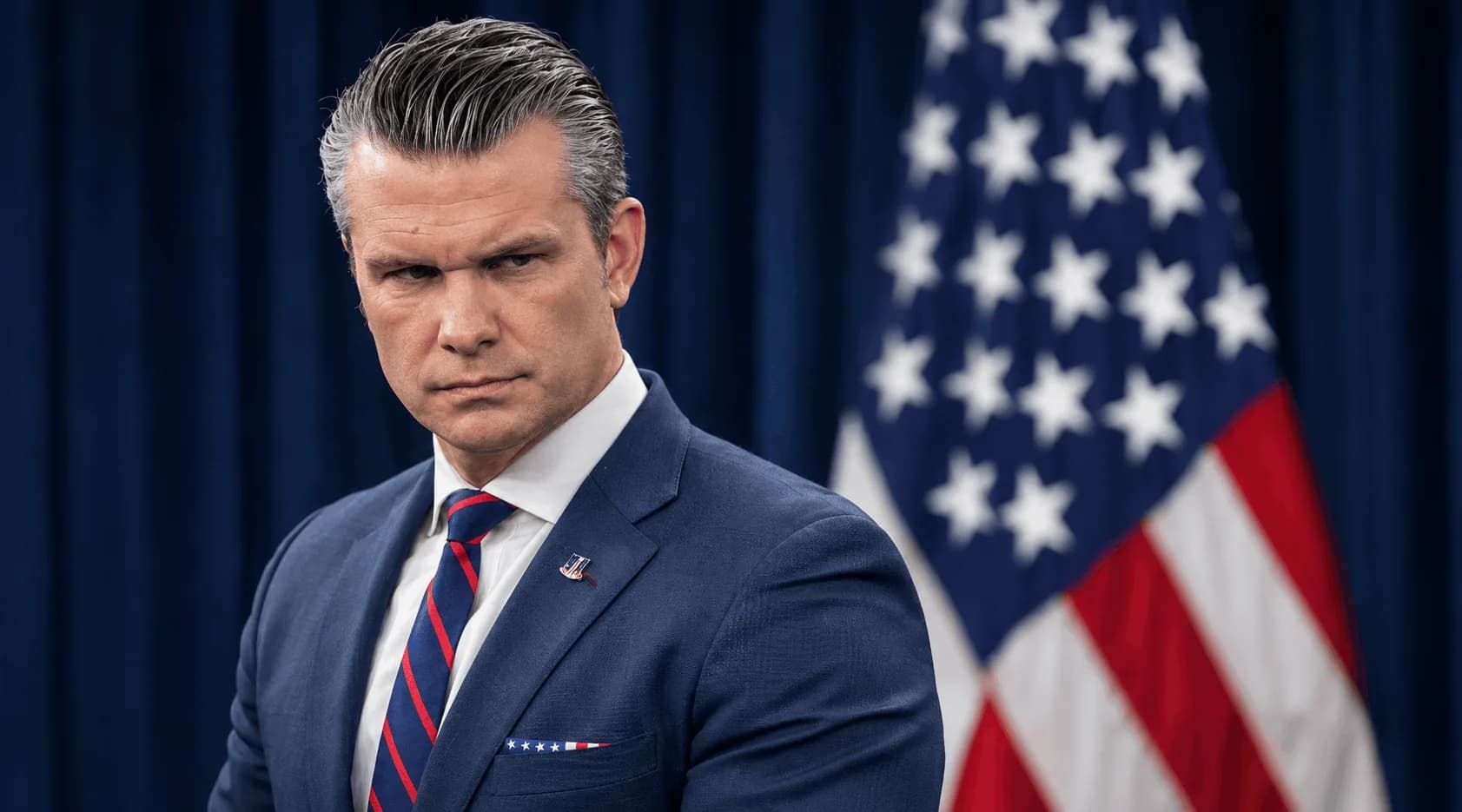
WASHINGTON — The Republican-controlled House has stopped the impeachment initiative targeting Pete Hegseth, preventing the eight articles introduced by Kentucky Representative Thomas Massie from advancing.
The outcome marks a major setback for Massie, who pursued the impeachment effort despite opposition from President Trump and Republican leadership.
At a moment when Republicans are confronting the consequences of a devastating midterm election, the House has rejected another internal confrontation over the administration's military leadership.
Massie's Eight Articles Fail to Advance
Massie's resolution accused Hegseth of misconduct involving American military operations in Iran, Yemen, Venezuela, and the Caribbean.
The allegations included violations of the War Powers Resolution, failures to protect civilians, and retaliation against Senator Mark Kelly.
Hegseth rejected the accusations, defending the operations as lawful actions undertaken under President Trump's authority.
The House's decision to block the resolution prevents the impeachment effort from advancing through that procedural route. It does not constitute a judicial determination regarding the underlying allegations.
Another Political Defeat for Thomas Massie
The result comes after Massie lost Kentucky's Republican primary to Trump-backed Ed Gallrein earlier this year.
His continued confrontation with the administration has intensified criticism from Republicans who believe the party should concentrate on advancing its remaining legislative priorities rather than pursuing the impeachment of its own defense secretary.
Massie maintains that his actions reflect constitutional principles concerning congressional war powers.
But his decision to target Hegseth has created another public division within the Republican Party, particularly as Democrats prepare to assume congressional control in January.
The political consequences are difficult to ignore: Massie has now lost his Republican nomination and failed to advance his impeachment initiative.
Trump Stands Behind His Defense Secretary
President Trump has strongly defended Hegseth, praising his leadership and the administration's military operations.
Hegseth has emphasized the importance of military readiness, clear command structures, and supporting American service members carrying out their assignments.
His defense centers on the argument that disagreements over military strategy should not automatically become grounds for removing civilian military leadership.
The administration has also defended its constitutional interpretation of presidential military authority.
Republicans Face a Larger Test
The impeachment dispute arrives during the final weeks of Republican control of Congress.
Speaker Mike Johnson has called for lawmakers to remain in Washington and advance outstanding legislation, including defense priorities, government funding, and presidential nominations.
With limited time remaining, Republican leadership faces pressure to demonstrate that it can govern effectively before the congressional transition.
The Hegseth impeachment confrontation threatened to consume valuable political attention during that period.
Its defeat allows House Republicans to redirect their efforts toward unfinished legislative business.
A Victory for Hegseth, but the Clock Is Still Running
The House's decision represents a political victory for Hegseth and the Trump administration.
The constitutional questions surrounding military operations and congressional authorization remain subjects of legitimate oversight, but the immediate impeachment effort has been stopped.
For Republicans, the larger challenge is now unmistakable.
The party has spent valuable time confronting its own leadership while major legislative priorities remain unfinished.
With Democrats preparing to take control of Congress, Republicans must decide whether their remaining weeks will be defined by internal disputes or measurable legislative accomplishments.
Hegseth survives the impeachment challenge. Now the Republican majority must finish the work it promised the American people.