3 min read
 5
 Linkedin
 Threads
 Facebook
 X

Washington state health authorities are investigating the death of a resident who contracted H5N5, an unusual strain of avian influenza that had never before been documented in a human.
The patient, an older adult with underlying health conditions, died after developing a severe illness. The case was reported by the Washington State Department of Health and subsequently covered.
The infection is attracting international attention because H5N5 is different from the H5N1 bird flu strain that has circulated among birds and mammals in several countries.
Although avian influenza has occasionally infected humans, this case represents a new development in the scientific understanding of how influenza viruses can cross between animal and human populations.
The immediate priority for health authorities is identifying how the infection occurred, monitoring potential exposure, and ensuring that unusual influenza cases are detected quickly.
What Makes H5N5 Different?
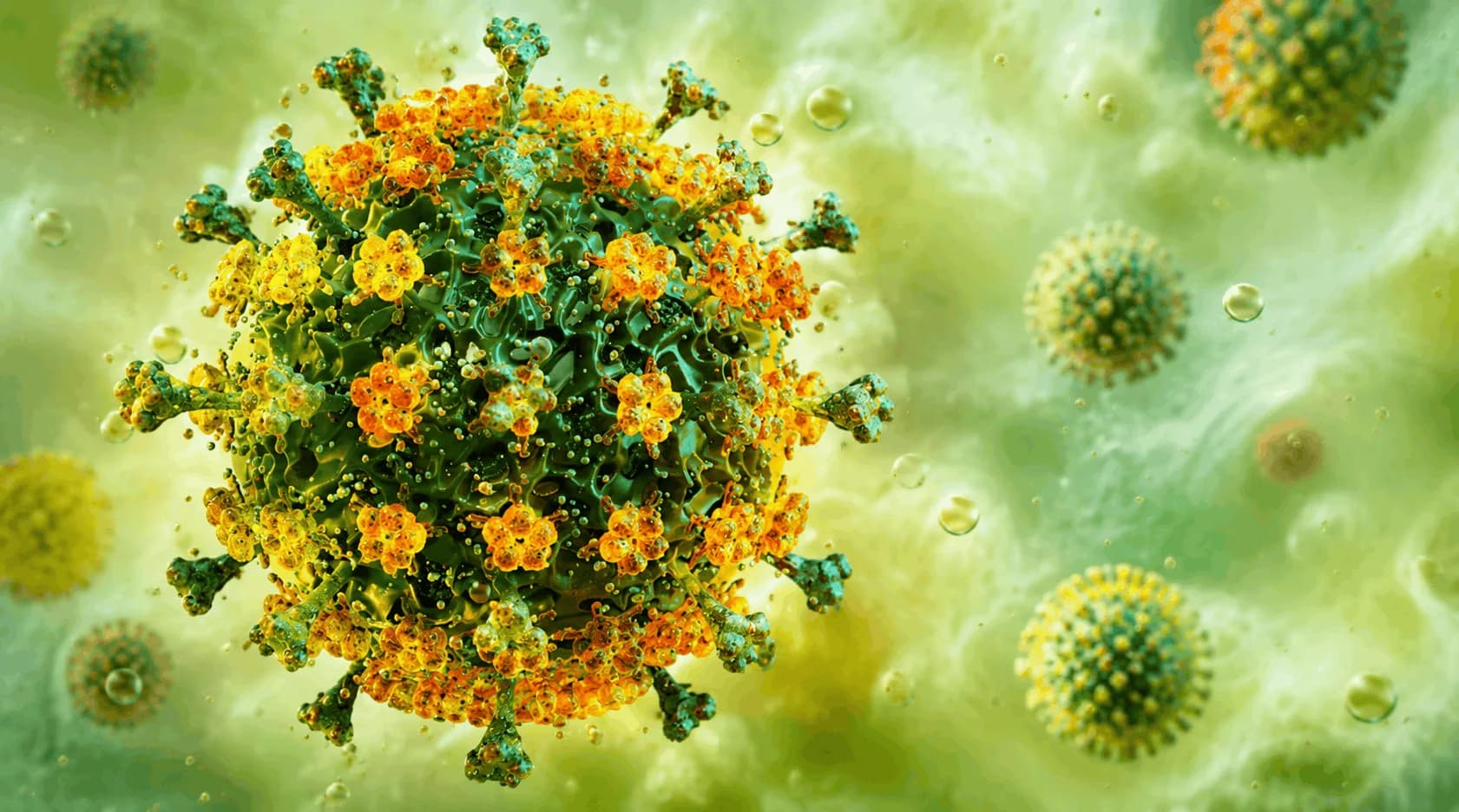
Avian influenza viruses are classified according to two proteins on their surface: hemagglutinin (H) and neuraminidase (N).
H5N5 carries the H5 and N5 protein combination, distinguishing it from H5N1, the strain that has received considerable attention because of outbreaks among poultry, wild birds, and certain mammals.
H5N5 has been identified in birds, but human infection had not previously been documented.
That makes the Washington case particularly important for researchers.
Scientists must investigate whether the infection resulted from direct contact with an infected animal, environmental exposure, or another route.
Genetic sequencing can help determine how the virus is related to previously identified avian influenza strains and whether it contains mutations requiring additional surveillance.
Why Health Officials Are Monitoring the Situation
Avian influenza viruses circulate naturally among wild birds and can spread into domestic poultry populations.
Occasionally, these viruses infect other mammals, creating opportunities for further adaptation.
The concern is that influenza viruses can change over time.
If a virus develops the ability to spread efficiently between humans, it could create a much larger public health challenge.
However, a human infection does not automatically mean a virus can spread from person to person.
Public health officials distinguish between an individual zoonotic infection and sustained human transmission.
That distinction is essential when evaluating the current risk.
What Americans Can Do to Reduce Exposure
Health authorities generally recommend avoiding direct contact with sick or dead wild birds and other animals suspected of carrying avian influenza.
People working with poultry, dairy cattle, or other animals should follow workplace protective procedures and report unusual animal illnesses.
Raw milk should be avoided because pasteurization helps eliminate harmful microorganisms, including influenza viruses.
Anyone who develops flu-like symptoms after significant exposure to potentially infected animals should contact a healthcare professional and explain the exposure.
These precautions are especially relevant to agricultural workers, veterinarians, wildlife specialists, and people involved in animal rehabilitation.
Why Early Detection Matters
The Washington case demonstrates the importance of maintaining strong public health surveillance.
Hospitals, laboratories, veterinary professionals, and agricultural agencies all contribute to identifying unusual infections.
Rapid genetic testing and information sharing allow scientists to recognize emerging pathogens and investigate possible transmission routes.
The United States has developed extensive influenza monitoring capabilities through agencies including the Centers for Disease Control and Prevention, state health departments, and the U.S. Department of Agriculture.
These systems help track influenza activity in people and animals, identify unusual viral changes, and guide public health responses.
What Happens Next?
Investigators will continue examining the patient's exposure history, genetic characteristics of the virus, and whether anyone who had contact with the patient developed symptoms.
The investigation will help determine whether the case represents an isolated animal-to-human transmission event or requires broader surveillance.
For now, the discovery is an important scientific and public health development, not evidence of a new human influenza outbreak.
The greatest protection against emerging infectious diseases comes from recognizing unusual cases early, understanding how viruses move between species, and maintaining the scientific and public health systems capable of responding before a local infection becomes a wider threat.