
 2 min read
 42
 Linkedin
 Threads
 Facebook
 X

November 26, 2026 | FPTN Editorial Analysis
Artificial intelligence is transforming the global economy faster than Washington can legislate. From advanced manufacturing and medical research to military defense and cybersecurity, AI is becoming one of the most consequential technologies in modern American history.
Members of both political parties are expressing interest in establishing stronger federal oversight of artificial intelligence. Yet disagreements over regulatory authority, congressional committee responsibilities, and the appropriate limits of government intervention threaten to delay meaningful legislation.
As reported by The New York Times on November 26, bipartisan interest in AI regulation is encountering significant institutional obstacles.
The challenge facing American lawmakers extends far beyond regulating technology companies. Their decisions could influence the country's economic competitiveness, entrepreneurial freedom, national security, and technological leadership for decades.
Washington Is Struggling to Keep Pace
Colorado Democratic Senator John Hickenlooper has proposed establishing a dedicated Senate committee on artificial intelligence to coordinate legislative efforts across multiple policy areas.
Republican Senator Ted Cruz of Texas, chairman of the Senate Commerce Committee, has expressed opposition to transferring those responsibilities away from existing committees, while remaining open to bipartisan cooperation on serious AI safety risks.
Democrats preparing to assume the Senate majority in January are considering legislation addressing AI safety, consumer protection, workforce disruption, and national security.
The difficulty is that artificial intelligence touches nearly every sector of the American economy. Healthcare, banking, transportation, energy, education, and defense operate under different regulatory systems.
Creating a coherent national framework without generating overlapping bureaucracies will require considerable coordination.
America cannot afford to spend years debating which government committee should oversee a technology that evolves in a matter of months.
Trump’s Strategy: Innovation Without Excessive Regulation
President Trump has already established a direction for American AI policy.
In July 2025, his administration unveiled America's AI Action Plan, outlining more than 90 federal policy actions focused on accelerating innovation, expanding domestic technology infrastructure, and strengthening international security partnerships.
On March 20, 2026, the White House introduced a national legislative framework addressing several priorities, including child safety, intellectual property, freedom of speech, workforce development, and American technological competitiveness.
A central objective of Trump's strategy is preventing conflicting state regulations from creating unnecessary obstacles for American businesses.
Consider a small technology company developing AI software in Texas. If that business must navigate dozens of substantially different regulatory frameworks before expanding nationwide, its legal and compliance expenses could consume resources otherwise dedicated to hiring engineers, developing products, and attracting investment.
Large corporations can more easily absorb these expenses. Emerging entrepreneurs cannot.
Poorly designed regulation could therefore strengthen the dominance of established technology giants rather than encourage competition.
NVIDIA and the Growing Threat From China
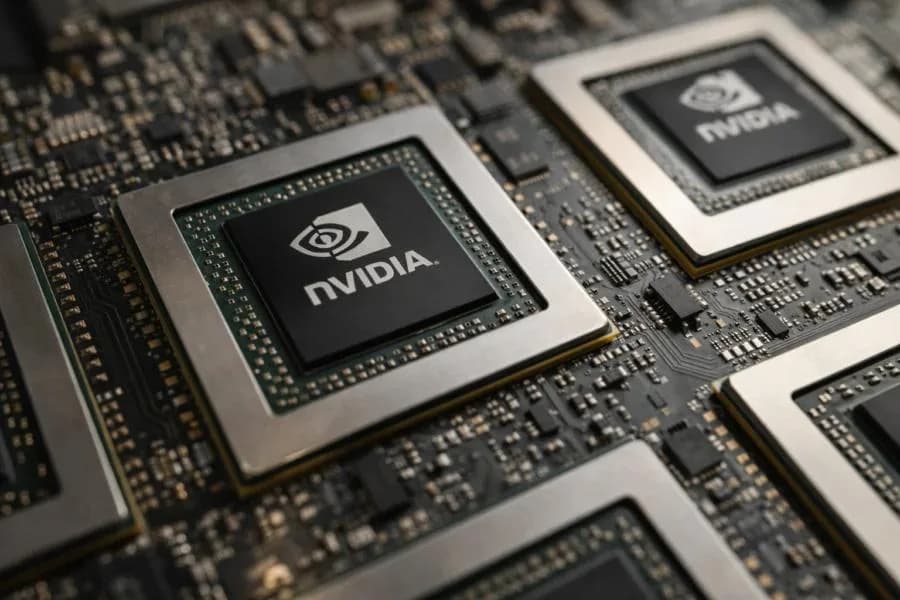
The debate has acquired additional urgency following national security concerns surrounding NVIDIA and the distribution of advanced American semiconductors.
On November 19, the Department of Commerce introduced new export restrictions designed to prevent companies in countries of concern from accessing advanced American computing resources through overseas data centers.
On Thursday, the Financial Times reported that NVIDIA had instructed manufacturing partners to suspend certain shipments to Malaysia, Singapore, Thailand, and Indonesia while determining how to comply with the new requirements.
The development illustrates the difference between unnecessary domestic regulatory burdens and targeted national security protections.
Advanced semiconductors provide the computing power necessary to develop increasingly sophisticated AI systems. Protecting access to these technologies has become an important component of America's strategic competition with China.
Congress is also considering bipartisan legislation. On November 10, Democratic Representative Josh Gottheimer and Republican Representative Mike Lawler introduced the American AI Security Act, proposing federal regulations concerning certain AI models.
The legislation remains a proposal, rather than enacted law.
The Human Side of America’s AI Revolution
For American families, the debate is about far more than semiconductor exports or technology companies' valuations.
AI could accelerate medical discoveries, improve educational opportunities, strengthen manufacturing productivity, and help small businesses compete with larger corporations. Its expansion could also disrupt existing occupations, increase electricity demand, and introduce new privacy and cybersecurity risks.
A responsible national strategy must recognize both realities.
Investments in workforce training, energy infrastructure, cybersecurity, and education could help Americans participate in this technological transformation rather than simply experience its consequences.
America Must Lead With Innovation and Responsibility
The United States has an opportunity to establish a regulatory framework that protects citizens, preserves constitutional freedoms, encourages entrepreneurship, and safeguards strategically important technologies.
Trump's emphasis on national regulatory consistency offers one possible foundation for that effort, while bipartisan safety proposals address legitimate concerns about the responsible development of increasingly powerful systems.
Congress must determine where government intervention is necessary and where unnecessary restrictions would undermine innovation.
America's technological future should be built around human flourishing, economic opportunity, national security, and the freedom to innovate. Achieving those objectives will require lawmakers to move with the same seriousness and urgency as the technological revolution unfolding around them.
Get the full story. As is.