 3 min read
 1
1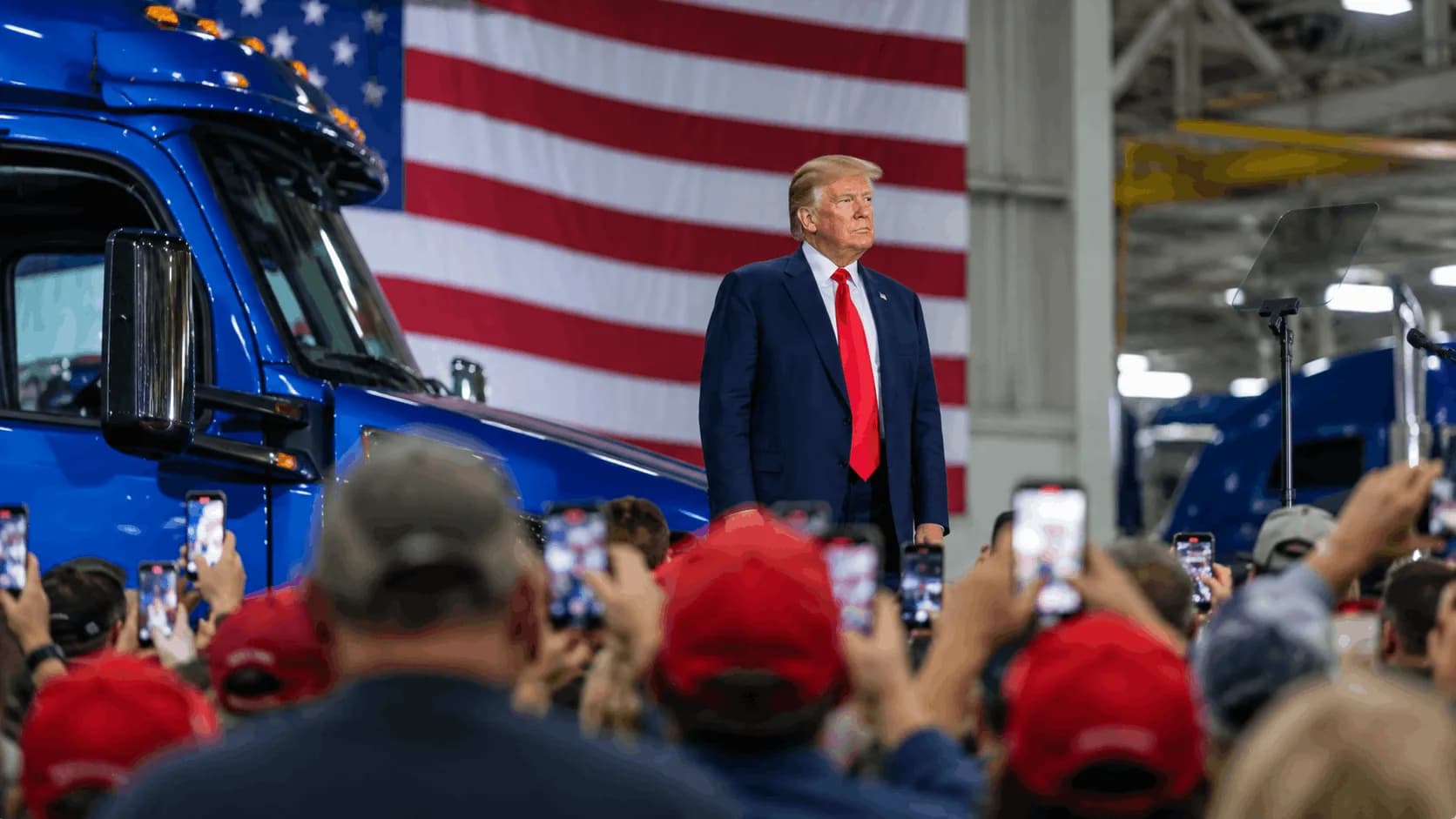
 Linkedin
 Threads
 Facebook
 X
X
President Trump carried Texas by nearly 14 points in 2024.
Two years later, the Senate contest is dramatically closer.
A Fox News poll conducted September 24-28 found Democrat James Talarico at 51% and Republican Ken Paxton at 49% among likely voters—a statistical tie within the poll's ±3-point margin of error. The Texas Tribune's polling average showed Talarico around 47.3%, approximately two points ahead at the beginning of October.
That should tell Republicans around the nation and to Texans something important:
Whatever assumptions existed about Texas politics in 2024 cannot simply be carried into 2026.
Why This Race Matters Beyond Texas
A U.S. senator does far more than vote on Texas issues.
The Senate determines whether legislation reaches the president's desk, confirms federal judges and executive nominees, conducts oversight and helps determine how much room any White House has to implement its agenda.
Republicans currently hold a 53-47 Senate majority. Losing a traditionally Republican Texas seat would therefore reduce their margin while other competitive Senate races are unfolding around the country.
That is one reason national Republicans have poured extraordinary resources into Texas. Republican-aligned groups spent roughly $122 million in September alone supporting Paxton and reserved tens of millions more through Election Day.
But money is not the same thing as votes.
The Campaign Is Moving From Television to the Street
President Trump is scheduled to campaign with Paxton in San Antonio, alongside Republican congressional candidate Carlos De La Cruz. Trump has already appeared in Texas repeatedly during the final stretch.
Sen. Ted Cruz has also helped Paxton raise money and connect with Republican donors after the divisive GOP primary.
The Republican Party of Texas is now chaired by D'rinda Randall, who took over the party in June after defeating Abraham George.
But the larger question applies to every campaign:
Where are the candidates and elected officials when cameras are not rolling?
Are they talking to voters in Harris County?
Walking neighborhoods in Houston and Montgomery County?
Holding events in The Woodlands, San Antonio, Dallas and Fort Worth?
Meeting small-business owners?
Standing outside community events?
Answering questions directly?
Social media matters. Television advertising matters.
But political campaigns still depend on something much older:
human contact.
What Citizens Can Do in the Final Weeks
Texas' registration deadline was October 5. Early voting begins October 19 and runs through October 30, followed by Election Day on November 3.
For Texans who want to participate, the useful actions are straightforward:
1. Check your voter-registration status and know your early-voting location.
2. Read both candidates' actual positions instead of relying only on political ads.
3. Attend town halls, rallies and public forums and ask specific questions.
4. Volunteer for the candidate or cause you support if you choose to.
5. Use social media to share verified interviews, policy information, event schedules and voting information—not rumors.
6. Talk with family, coworkers and neighbors about the issues and encourage them to research the race themselves.
And elected officials should expect scrutiny too.
FPTN will be watching who is actually traveling Texas, meeting voters and making the case for what they believe—not merely posting from Washington or Austin.
Because whatever happens November 3, this election offers a reminder to every elected official in Texas:
No state belongs permanently to anyone. Voters have to be persuaded, heard and ultimately motivated enough to participate.