


 3 min read
 22
 Linkedin
 Threads
 Facebook
 X

What happens when the history books say your political party is supposed to lose?
Most presidents prepare for the consequences.
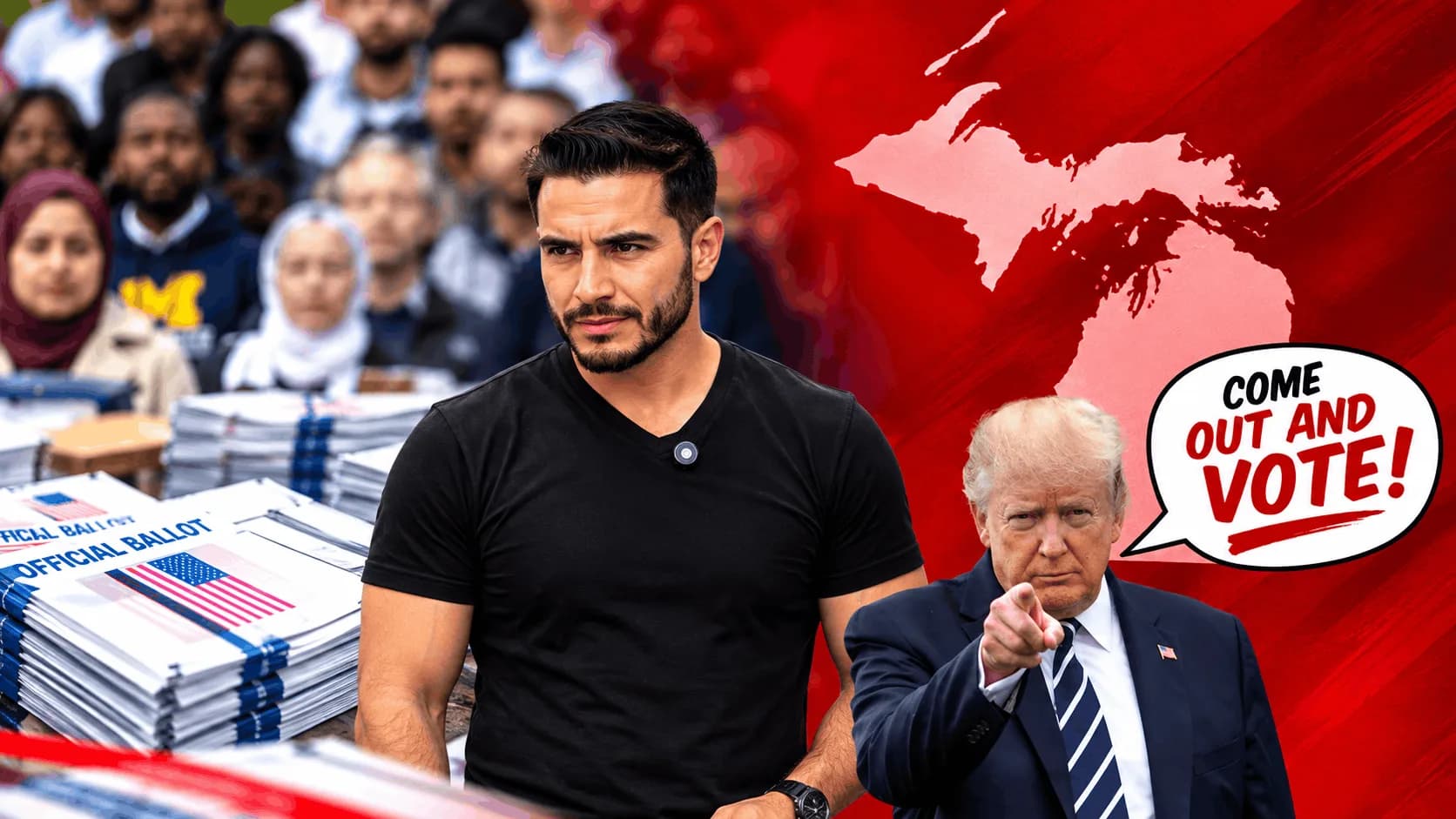
Donald Trump is boarding another plane, stepping onto another stage, and taking the political fight directly to American voters.
With just one week remaining before the November 3 elections, Trump has transformed what would ordinarily be a congressional campaign into an extraordinary nationwide political operation.
And according to one of his closest former advisers, he has no intention of surrendering to historical expectations.
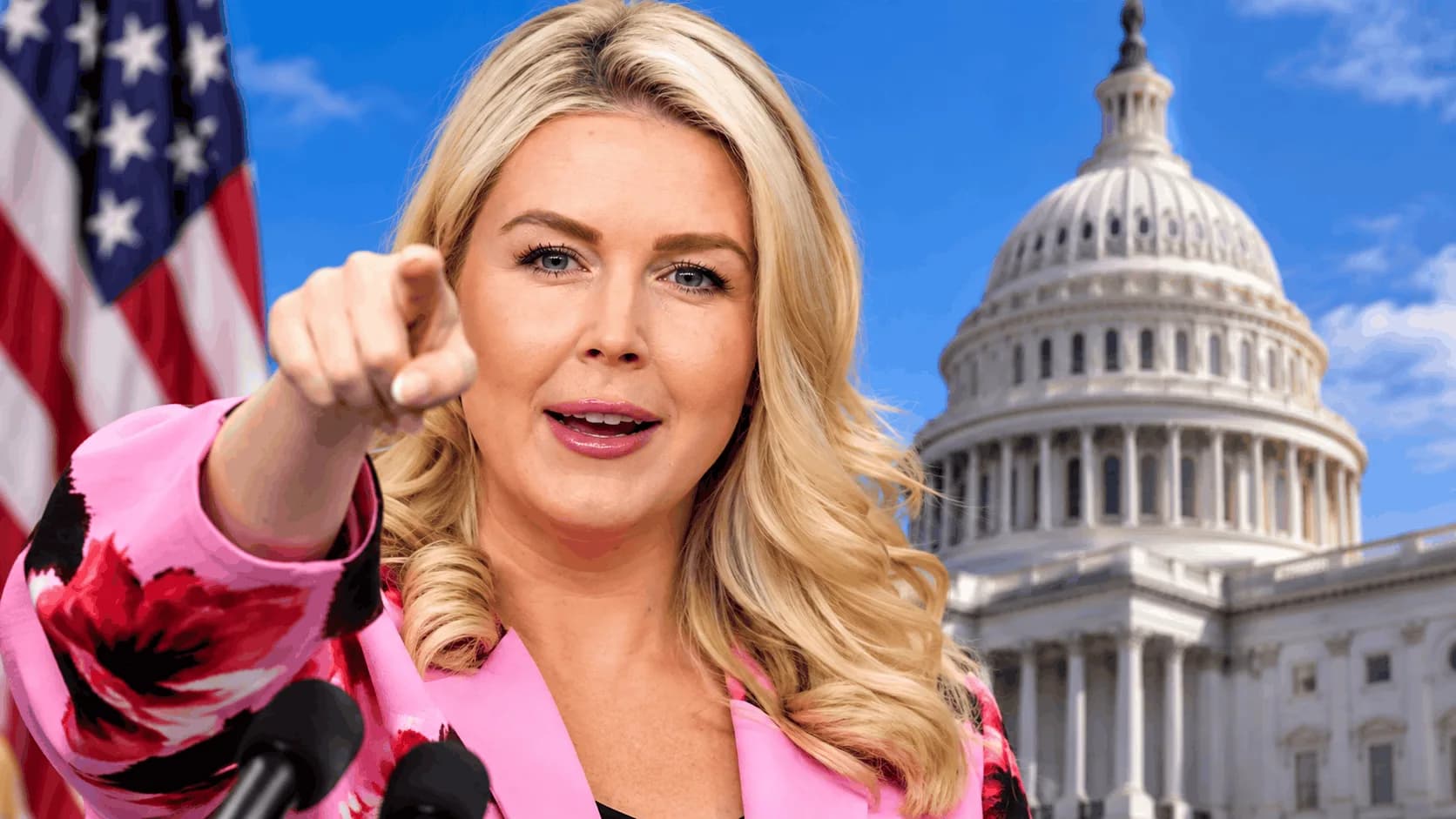
"The president is defiant, and he always is optimistic," former White House Press Secretary Karoline Leavitt told Fox News Digital during an October 25 interview in New Hampshire.
Her assessment revealed the central argument behind Trump's aggressive campaign schedule: the political rules that traditionally govern midterm elections are precisely the rules he is attempting to challenge.
Trump Is Campaigning Like His Name Is on the Ballot
During his September Republican midterm convention in Dallas, Trump asked supporters to imagine that he was personally running for president again.
The message reflects a deliberate electoral strategy.
Presidential elections generally attract substantially higher participation than midterms. Some voters who supported Trump in 2024 do not consistently participate in congressional elections.
Trump wants to change that pattern.
His campaign schedule has included appearances in North Carolina, South Carolina, Iowa, Florida, Georgia, and Michigan, with additional events scheduled in Texas and other states.
On October 27, his public calendar included appearances in Corpus Christi and Lubbock.
Rather than relying entirely on congressional candidates to generate enthusiasm, Trump is personally participating in the campaign.
Leavitt, who left the White House in August and returned to the Trump-aligned MAGA Inc. political operation, described this as a direct response to the challenges Republicans face.
She said Trump recognizes that presidential parties historically struggle during midterms but believes extensive campaigning can make a difference.
The central question is whether the enthusiasm associated with a presidential campaign can be sustained when the president himself is not running.
The Political History Trump Is Challenging
Midterm elections have frequently punished the party controlling the White House.
During Trump's first presidency, Republicans lost control of the House in 2018.
Four years later, Democrats lost the House during President Joe Biden's first midterm election.
These outcomes reflect a recurring feature of American politics: voters frequently use congressional elections to express satisfaction or dissatisfaction with the sitting administration.
But Trump is approaching 2026 differently.
Instead of allowing the election to become a collection of disconnected congressional contests, his campaign has emphasized the broader stakes of control over Washington.
Republicans enter November with a narrow House majority and 53 Senate seats.
Democrats would need a net gain of four Senate seats to secure a majority in that chamber.
The outcome will determine which party controls congressional committees, legislative priorities, oversight investigations, and much of the federal government's agenda through 2028.
Nearly $277 Million Behind Trump's Political Operation
Trump's campaign activity is backed by an enormous financial commitment.
According to an October 21 Associated Press investigation, MAGA Inc. reported spending nearly $277 million since the beginning of September.
The spending included:
$200 million transferred to No Going Back PAC.
$25 million transferred to Safety & Affordability PAC.
Additional advertising and political expenditures targeting competitive congressional contests.
Federal Election Commission filings showed MAGA Inc. retained approximately $164.3 million as of October 14.
Trump has also said his broader political operation intends to spend more than $400 million by Election Day.
That larger figure includes campaign-related activities beyond spending reported by MAGA Inc. alone.
The financial operation is especially significant because congressional races often depend on localized advertising, campaign infrastructure, and voter-contact programs.
But spending is not the same as electoral support.
A campaign can purchase advertising, hire organizers, and hold rallies. Whether those investments translate into participation is a separate question.
The Voter Engagement Numbers Explain the Strategy
The challenge becomes clearer when examining national research.
An October 8 Pew Research Center study found Democratic candidate supporters were 17 percentage points more likely than Republican supporters to describe themselves as extremely motivated to vote.
The survey also found that 77% of verified Trump voters from 2024 currently supported Republican House candidates, compared with 87% of verified Harris voters supporting Democratic candidates.
Those findings help explain why Republican organizers are emphasizing voter participation so heavily.
Trump's political operation is attempting to mobilize a broad coalition that proved successful in a presidential election but may respond differently in a congressional contest.
At the same time, Democrats are pursuing their own mobilization efforts.
Former President Barack Obama and former Vice President Kamala Harris have appeared at campaign events supporting Democratic candidates.
Both parties recognize the significance of turnout.
The Stakes Go Beyond One Election
For the Trump administration, retaining cooperative congressional majorities could help advance legislation involving taxation, immigration enforcement, energy policy, government spending, and other presidential priorities.
A change in congressional control could alter those legislative prospects and substantially reshape oversight of the executive branch.
That institutional reality gives the midterms consequences extending well beyond the individual candidates appearing on ballots.
Leavitt argues that the president is communicating those stakes directly while highlighting policy differences between Republican and Democratic candidates.
Trump's campaign schedule makes clear that he considers congressional control central to the remaining two years of his presidency.
November 3 Will Test the Trump Strategy
America has witnessed Trump challenge conventional political expectations before.
His return to the White House in 2024 followed a period when many political observers questioned whether he could regain the presidency.
Now his political organization is attempting something different: translating presidential-year engagement into participation in a congressional election. We can see the same on how Republicans and Christians around the country are now organizing via FlashPoint Chapters for civic education with Biblical Citizenship Training and Mobilization.
The rallies are real. The financial resources are substantial. The political stakes are unmistakable.
What remains unknown is how voters will respond.
Trump has chosen to make himself a central figure in the 2026 midterms, even though his name will not appear on the ballot.
On November 3, Americans will decide who represents them in Congress and which party controls the legislative branch.
The president can influence the conversation, but voters will determine the result.
Trump is challenging the midterm playbook. The ballots will reveal whether American political history takes another unexpected turn.