2 min read
 9
9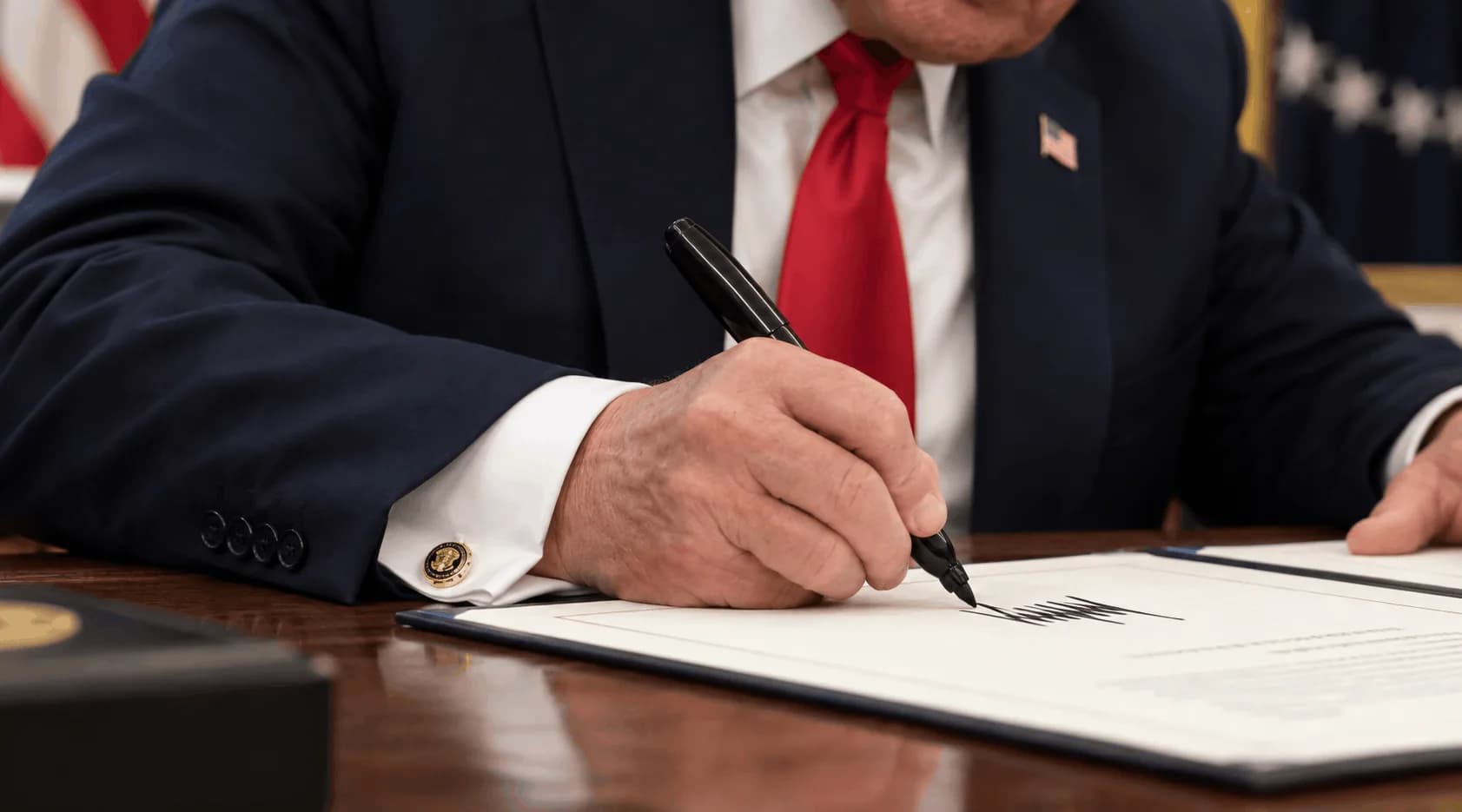
 Linkedin
 Threads
 Facebook
 X
X
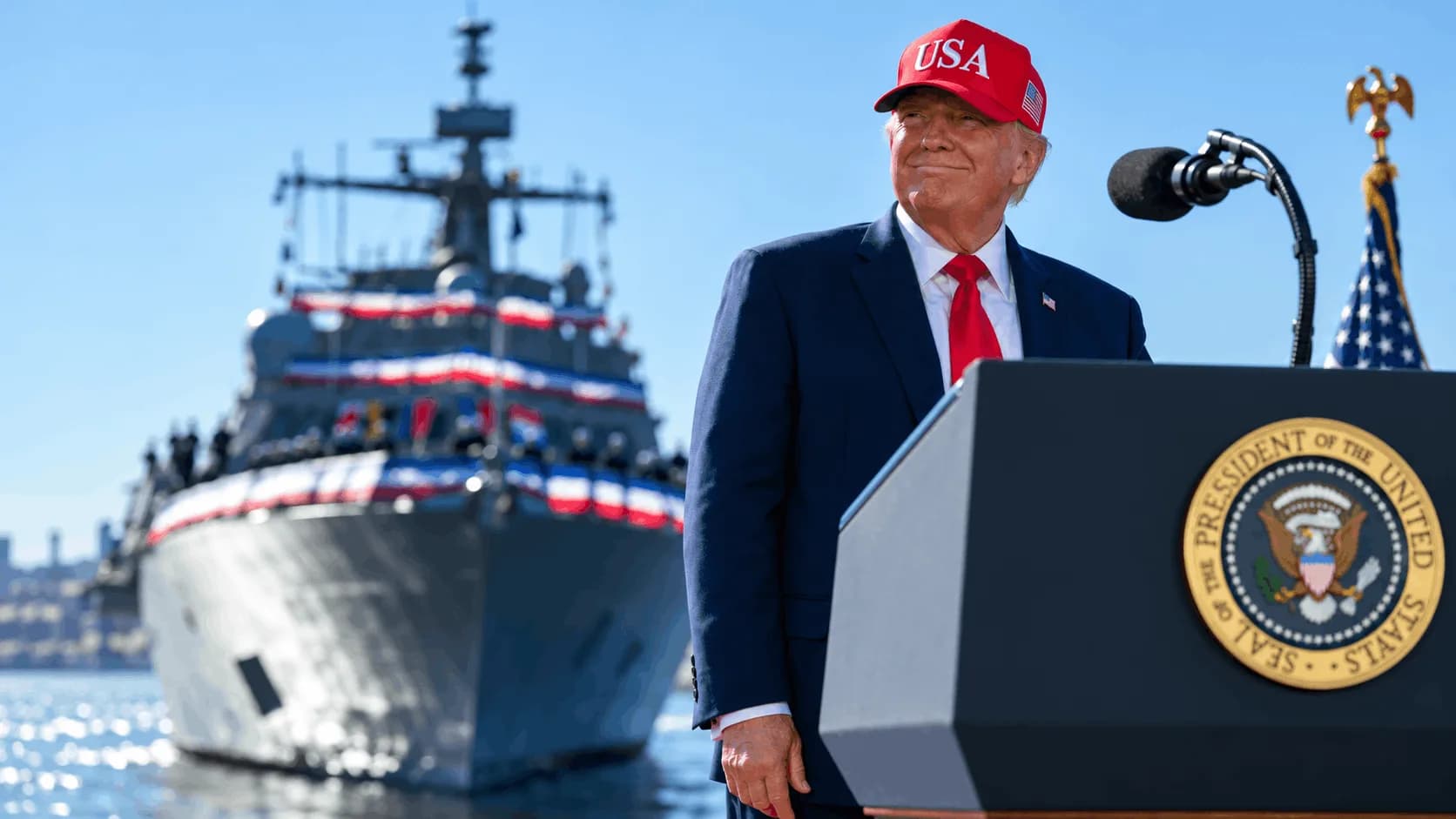
President Donald Trump signed a new law on October 9 that could help turn America's musical heritage into a stronger economic engine for cities, small towns, and businesses across the country.
The American Music Tourism Act of 2025, designated S. 195, directs the Department of Commerce to identify and promote destinations connected to America's musical history, live performances, recording studios, museums, and festivals.
According to the White House, the legislation is designed to encourage both domestic and international travel to places that have contributed to American music.
On the surface, the announcement may appear relatively modest. It does not create a massive new tourism agency or launch a multibillion-dollar federal spending program.
But the legislation recognizes something American communities have understood for generations: music is not just entertainment. It is an economic asset, a cultural export, and a reason people travel thousands of miles to experience America.
The larger question is whether a more coordinated national strategy can turn that cultural advantage into measurable economic opportunities.
Why American Music Is Already a Global Attraction
Few countries have influenced modern popular music as extensively as the United States.
Jazz emerged from the cultural traditions of New Orleans. Blues developed across the Mississippi Delta. Country music found an enduring home in Nashville, while Memphis became inseparable from the history of rock and roll and soul.
New York helped shape hip-hop, and cities across America contributed to gospel, rhythm and blues, and countless other musical movements.
These traditions are not confined to recording studios or history books.
They continue attracting visitors interested in discovering the places where influential artists performed, recorded, and developed their distinctive sounds.
A traveler visiting Memphis might explore the city's recording history. Someone visiting Nashville may attend performances while exploring country music landmarks. Visitors to New Orleans may build an entire trip around jazz clubs, festivals, and local traditions.
Each visitor represents potential economic activity extending beyond the price of a concert ticket.
Hotels, restaurants, transportation providers, retail stores, tour operators, and other local businesses can benefit.
The American Music Tourism Act attempts to make that connection part of the country's formal tourism strategy.
What the New Law Actually Changes
The legislation amends the Visit America Act, an existing federal law establishing responsibilities for promoting travel and tourism.
Under the new requirements, the Assistant Secretary of Commerce for Travel and Tourism must identify significant music-related destinations and events while helping promote travel to those locations.
The law specifically recognizes historic and modern music attractions, including museums, recording studios, performance venues, concerts, and festivals.
Its scope covers both Americans traveling within the country and international visitors choosing the United States as their destination.
The legislation also requires periodic reporting to Congress.
The first report is due within one year of enactment, with subsequent reports required every two years. Those reports must describe relevant activities, findings, achievements, and vulnerabilities.
This creates a mechanism for lawmakers to examine how the program is being implemented.
Importantly, the law does not establish a new federal grant program or guarantee direct financial assistance to individual musicians, concert venues, or local tourism businesses.
Its principal purpose is to make music tourism an explicit federal tourism-promotion responsibility.
The difference matters because the success of the initiative will depend largely on implementation, coordination, and the ability to attract additional visitors.
The Real Opportunity May Be Outside America's Biggest Cities
Major destinations already possess internationally recognized cultural brands.
Nashville is associated with country music. Memphis is known for its musical history. New Orleans is celebrated for jazz.
But American music extends far beyond those familiar locations.
Smaller communities helped create the traditions that eventually influenced the entire world.
Blues landmarks across Mississippi, regional gospel gatherings, independent music venues, and local festivals all preserve pieces of America's cultural history.
Many of these destinations lack the promotional resources available to major metropolitan tourism organizations.
That creates an interesting opportunity.
What if federal tourism promotion helped international visitors discover not only Nashville and Memphis but also lesser-known communities connected to those musical traditions?
The economic impact could extend to places that rarely receive national attention.
A family-owned restaurant might serve additional visitors during a regional festival. A small hotel could experience greater demand. Local guides and entrepreneurs could develop new services around historical attractions.
These possibilities are not guaranteed outcomes of the legislation. They illustrate why music tourism can matter to communities beyond the entertainment industry.
The opportunity is not simply to attract more tourists to places that are already famous. It is to help visitors discover communities they might otherwise never encounter.
A Rare Area of Bipartisan Agreement
The American Music Tourism Act also demonstrates how economic and cultural interests can create common ground in Washington.
The Senate legislation advanced with bipartisan support, and the House passed S. 195 by voice vote on September 15, 2026.
Supporters argued that music tourism deserves recognition alongside other forms of travel promotion already included in federal policy.
The legislation's appeal crosses traditional political boundaries.
Conservative lawmakers can view the initiative as supporting entrepreneurship, local economies, and American cultural heritage.
Democratic lawmakers can emphasize tourism employment, regional economic development, and the preservation of historically important cultural traditions.
For the administration, the law creates an opportunity to promote American culture internationally while supporting domestic economic activity.
That does not mean every community will benefit equally, or that federal promotion will automatically generate significant additional tourism.
It does demonstrate that supporting locally rooted cultural industries can attract agreement in a Congress frequently divided over larger economic questions.
How Much Will Taxpayers Pay?
One of the most important aspects of the legislation is what it does not do.
Unlike federal initiatives that authorize large new spending commitments, S. 195 primarily expands responsibilities within an existing tourism framework.
During House debate, supporters emphasized that the measure did not request new taxpayer funding or establish another federal bureaucracy.
The Congressional Budget Office's February 2025 review examined implementation within the existing Department of Commerce tourism structure.
That means the initiative should not be confused with a large new federal investment in the music industry.
However, carrying out promotional responsibilities still requires government personnel, coordination, and resources.
The important economic test is whether those activities produce benefits that justify their administrative costs.
Can better promotion attract visitors who otherwise would have traveled somewhere else? Can smaller destinations gain exposure? Can communities convert additional tourism into sustainable local business activity?
Those results will matter more than the symbolism of the signing ceremony.
American Culture Is Also Economic Influence
There is another dimension to this legislation that deserves attention.
For decades, American music has reached international audiences through radio, television, streaming platforms, films, and live performances.
Its influence has helped shape how people around the world understand American culture.
That influence has economic consequences.
A person who develops an interest in American jazz, country music, gospel, or rock and roll may eventually want to visit the places associated with those traditions.
Tourism turns cultural familiarity into a potential business opportunity.
This is also a form of international influence that differs from military strength or traditional diplomacy.
Countries compete for international visitors, investment, and cultural attention. America's musical traditions provide an advantage that cannot simply be replicated by building another attraction.
They are connected to specific communities, historical experiences, and generations of creative achievement.
The government's challenge is to promote those traditions without reducing them to generic marketing campaigns or overlooking the people and communities responsible for preserving them.
Local authenticity is part of what visitors are traveling to experience.
The Bigger Test Is What Happens in America's Communities
Signing the American Music Tourism Act is the beginning of a policy change, not proof of an economic transformation.
The law establishes a federal responsibility to promote music-related destinations and creates reporting requirements to assess progress.
Its success will ultimately depend on whether visitors respond and whether local businesses benefit.
For a small-town entrepreneur, the important result is not a press release from Washington.
It is another customer walking through the door.
For a community preserving a historic music venue, it is another reason to keep that location operating.
For a family planning a trip, it may mean discovering a piece of American history they never knew existed.
The broader economic lesson is straightforward.
America's competitive advantages are not limited to its technology companies, factories, financial institutions, or natural resources.
Its culture is also an asset, shaped by generations of musicians, communities, churches, entrepreneurs, and creative pioneers.
The United States has spent decades exporting its music to the world.
Now the question is whether America can turn the world's love for that music into new prosperity for the communities where it began.