 5 min read
 72
72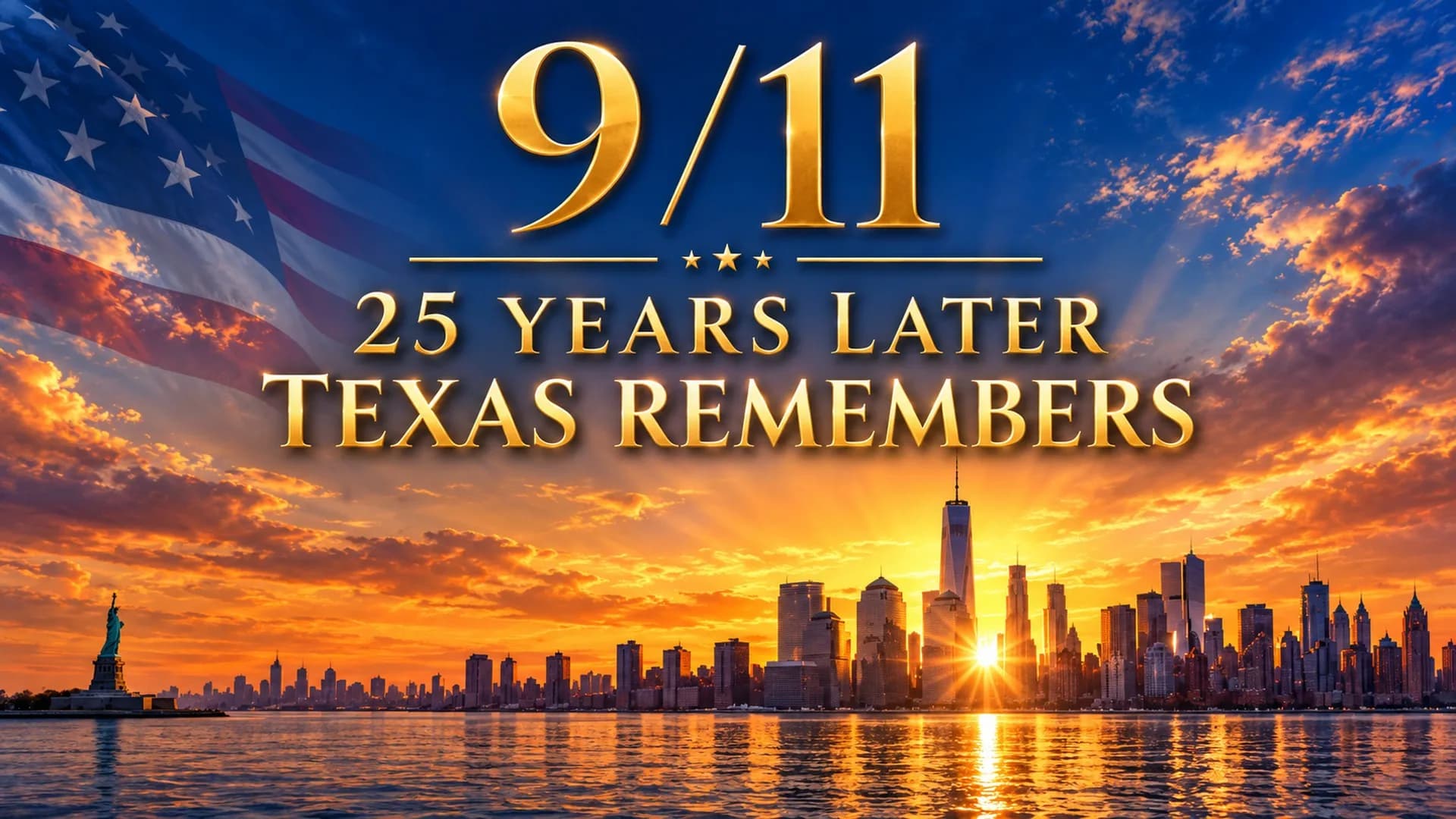
 Linkedin
 Threads
 Facebook
 X
XTwenty-five years after September 11, Texas is making a consequential change in how the next generation will learn about the attacks and the ideology behind them.
The State Board of Education has given final approval to revised high-school social-studies standards that require students studying modern world history to examine the “rise of radical Islam,” including terrorism, al-Qaeda, September 11, 2001, and ISIS. The standards are expected to reach classrooms beginning with the 2030–31 school year.
For conservatives who have argued that American schools sometimes teach 9/11 without giving students enough ideological or historical context, the decision represents a significant change.
The board is not simply asking students to memorize the date of the attack or identify Osama bin Laden. The approved framework attempts to place 9/11 within a broader history of extremist movements and the geopolitical developments that preceded and followed the attack.
Texas wants students to understand what motivated 9/11
The official Texas language is important.
The curriculum directs students to “explain the rise of radical Islam” while studying Iranian proxies, terrorism, al-Qaeda, September 11 and ISIS. Another section requires students to study America's response to 9/11, including the wars in Afghanistan and Iraq, the Patriot Act and the creation of the Department of Homeland Security.
That means Texas students would encounter 9/11 not as an isolated tragedy but as part of a larger historical sequence.
That approach fits the broader philosophy the State Board of Education has described for its new social-studies standards: teaching history chronologically so students can understand how one event leads into another rather than encountering names and dates as disconnected facts.
For parents and educators who believe young Americans should understand not only what happened, but why it happened, that distinction is significant.
But “radical Islam” is not the same thing as Islam
There is also an important distinction that serious history education has to preserve.
The 9/11 attacks were planned by al-Qaeda, an extremist organization led by Osama bin Laden. Describing the ideological worldview of al-Qaeda and other Islamist extremist movements is historically relevant.
That is different from suggesting that Islam generally—or Muslims generally—were responsible for the attacks.
The controversy in Texas centers partly on whether some sections of the new standards maintain that distinction carefully enough.
Muslim students and advocacy organizations told the board that portions of the curriculum could encourage classmates to associate ordinary Muslims with terrorism. Several board-appointed curriculum experts also questioned historical claims included in sections dealing with early Islamic history.
Andrea Hutchison, a social-studies curriculum coordinator appointed as an adviser, said portions of the material did not withstand close historical scrutiny. University of Texas philosophy professor Robert Koons separately warned the board about relying on claims that lack well-established secular historical sources.
Those objections are part of the public record and should not be erased from the story.
Republicans on the board defended the change
The State Board of Education has a Republican majority, and Republican members continued supporting the standards despite the objections.
Board Chair Aaron Kinsey argued that opponents had made the curriculum sound more divisive than it was and said members had worked through disagreements democratically on behalf of Texas constituents. Republican board member Julie Pickren described passage of the standards as the culmination of years of work on social-studies education.
The larger curriculum overhaul extends far beyond Islam or 9/11.
Texas says its new standards emphasize chronological history, constitutional principles, American self-government and the connections between historical events and institutions.
That broader context is important because the debate is not simply about changing one sentence concerning September 11.
It is part of a much larger argument over what American children should know about their country's history.
The question is becoming more urgent because students were not alive for 9/11
For adults who remember September 11, the images need little explanation.
For today's students, it is increasingly ancient history.
Children entering Texas classrooms when these standards take effect will have been born decades after the attacks.
That makes the details of the curriculum increasingly important.
Students will know only what families, teachers, textbooks, museums and public institutions preserve for them.
There is consequently a legitimate educational question at the heart of the Texas debate:
Should students simply learn that terrorists attacked the United States, or should they also study the specific ideology, organizations and historical circumstances that motivated those terrorists?
Texas has chosen the second approach.
What students will actually learn matters more than the political headline
The phrase “radical Islam” understandably attracts political attention.
But the quality of the education will ultimately depend on what teachers do with the standard.
A strong lesson can explain that al-Qaeda embraced an extremist Islamist ideology, describe bin Laden's declared hostility toward the United States, examine how the organization emerged and explain the consequences of the September 11 attacks.
It can simultaneously make clear that the world's Muslim population contains enormous theological, political and cultural diversity and that millions of Muslims reject terrorist interpretations of their faith.
Those ideas are not contradictory.
In fact, understanding that distinction may be essential if the objective is historical accuracy rather than political messaging.
Texas is making a larger statement about teaching difficult history
The most consequential element of the Texas decision may therefore be its willingness to require students to encounter subjects that produce disagreement.
History contains slavery, war, religious conflict, political extremism, terrorism and persecution.
Removing uncomfortable facts does not make those events easier to understand.
But introducing controversial claims without sufficient evidence creates a different problem.
That is why the Texas debate should ultimately be judged by whether the final curriculum helps students distinguish documented history from ideology and broad religious identity.
Texas officials say the new standards are intended to give students a coherent chronological understanding of history and the forces that shaped modern America.
Critics say portions of the standards concerning Islam fail that test.
Those competing claims will continue long after the board vote.
But one thing has clearly changed:
When future Texas students study September 11, they will not simply be told that airplanes struck the World Trade Center and Pentagon.
They will be required to study al-Qaeda, radical Islamist extremism and the ideological environment surrounding the deadliest terrorist attack in American history.