


 2 min read
 11
 Linkedin
 Threads
 Facebook
 X

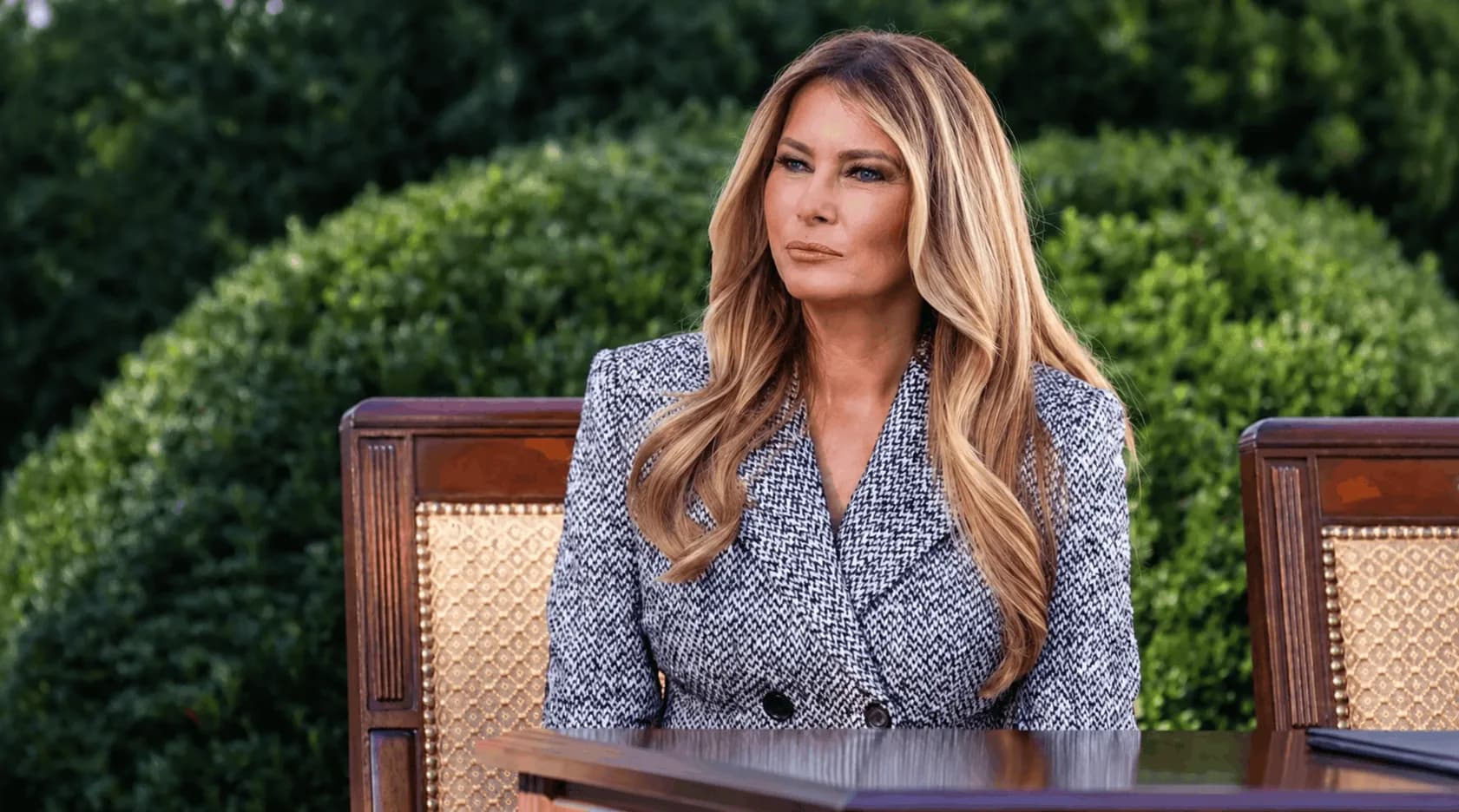
A remarkable diplomatic development is unfolding at the White House as First Lady Melania Trump prepares to convene representatives of Russia and Ukraine on November 5.
The announcement, released November 3 by the Office of the First Lady, follows a localized ceasefire in Oleshky, a Russian-occupied city in Ukraine's Kherson region, that enabled a humanitarian operation to deliver assistance and evacuate civilians.
According to the White House, Melania independently initiated communication with both governments and helped secure the agreement.
The upcoming gathering will bring representatives of two countries still at war into the White House, creating an opportunity to discuss the humanitarian mission and its results.
The significance is that diplomacy has produced a concrete humanitarian opening in a conflict where even limited cooperation has been extraordinarily difficult.
From a Humanitarian Crisis to a Ceasefire
The initiative began after Melania Trump learned about the deteriorating conditions in Oleshky.
Before Russia's full-scale invasion in 2022, approximately 24,000 people lived in the city. By October 2026, the White House estimated that only 1,700 to 2,000 residents remained, many of them elderly people unable to leave, along with approximately 50 children.
Residents faced shortages of food, drinking water, electricity, and medical supplies. Mined roads and continuing military activity made evacuation particularly dangerous.
The First Lady's office says she and her representative used communication channels established during previous efforts to reunite Ukrainian children with their families.
Those earlier initiatives reportedly facilitated six reunification operations involving 34 children.
The same diplomatic relationships became the foundation for discussions with Russian and Ukrainian leadership about Oleshky.
Nearly 800 Civilians Reportedly Evacuated
The localized ceasefire created an opportunity for humanitarian teams to enter the area, assess residents' needs, and coordinate civilian transportation.
According to Melania Trump, approximately 800 people were evacuated during the operation.
The arrangement allowed residents to choose whether they wished to travel toward Ukrainian-controlled territory or Russia.
The process involved Ukrainian Human Rights Commissioner Dmytro Lubinets and Russian Human Rights Commissioner Yana Lantratova, who coordinated humanitarian arrangements.
Independent reporting by The Washington Post also described the evacuation as a major humanitarian development.
The ceasefire was limited to Oleshky and surrounding areas rather than applying to the entire Russia-Ukraine front. Reports indicate that the temporary pause lasted approximately six days, from October 27 through November 1.
That distinction is important: this was a humanitarian operation, not a nationwide peace agreement.
What Happens at the White House on November 5?
The First Lady's upcoming meeting represents the next stage of the initiative.
She is scheduled to deliver remarks at 11 a.m. Eastern on Thursday, November 5, with Russian and Ukrainian representatives present.
According to Ukrainian media reports citing informed sources, Ukraine may be represented by Lubinets and parliamentary leader Davyd Arakhamia, while Russia may send Lantratova and presidential envoy Kirill Dmitriev.
The White House has not yet officially confirmed the complete participant list or published a detailed agenda.
The gathering is centered on the Oleshky ceasefire and humanitarian operation rather than a comprehensive negotiation to end the war.
Nevertheless, bringing representatives together in Washington provides an opportunity to discuss civilian protection, future humanitarian access, and practical cooperation.
Why This Matters Beyond One Ukrainian City
The initiative also connects to a broader American diplomatic effort.
The United States continues working to bring Moscow and Kyiv toward negotiations addressing the war, security arrangements, and the future of Ukraine.
Separate U.S.-mediated discussions are scheduled in Abu Dhabi on November 10 and 11, according to international reporting.
The Oleshky operation demonstrates a different but complementary approach: pursuing achievable humanitarian objectives even when broader political disagreements remain unresolved.
It also builds on the First Lady's earlier involvement in family reunification efforts, showing how humanitarian relationships can create channels for communication.
For civilians trapped in conflict zones, these limited agreements can mean access to medicine, food, transportation, and safety.
A Humanitarian Opening With Wider Implications
The November 5 gathering will not resolve the Russia-Ukraine war.
Its importance lies in the possibility of sustaining communication between opposing sides and identifying additional opportunities to protect civilians.
For Melania Trump, the initiative represents an unusual diplomatic role for an American First Lady, centered on direct humanitarian engagement.
For Washington, it provides another avenue to support civilian protection while broader negotiations continue.
Peace does not always begin with a comprehensive agreement signed by national leaders. Sometimes it begins with a humanitarian corridor, a conversation between representatives, and hundreds of families finally given an opportunity to reach safety. The Oleshky initiative demonstrates why those smaller diplomatic openings can matter in the pursuit of a more lasting peace.