

 3 min read
 22
 Linkedin
 Threads
 Facebook
 X

Before heading to the polls on November 3, please take a moment to examine the candidates on your ballot, their records on election integrity, and their positions on protecting the rights of eligible voters. Your vote deserves an informed decision.
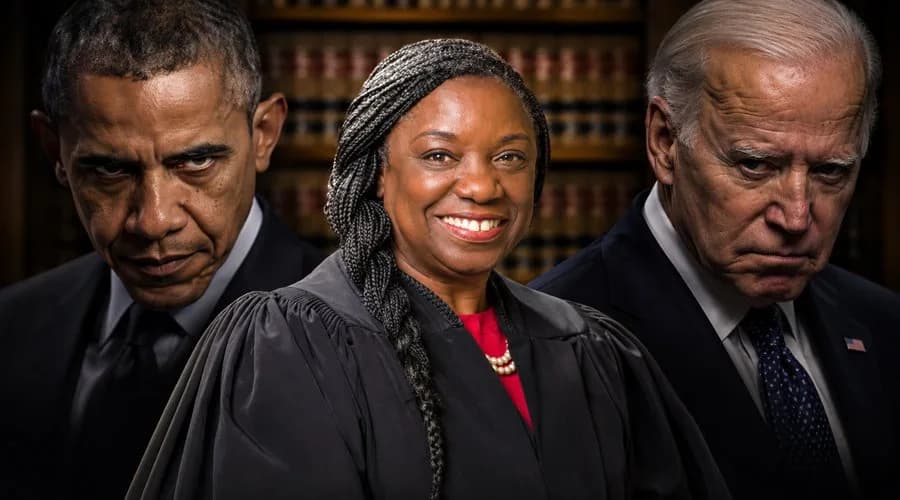
Just days before Election Day, Biden-appointed federal Judge Trina Thompson issued an emergency order restricting several Trump administration election-enforcement measures. The ruling raises serious questions about federal authority, election integrity, and the balance between preventing unlawful voting and protecting eligible Americans from wrongful exclusion.
The timing could hardly be more consequential.
At a moment when Americans are demanding confidence in their elections, a federal court has stepped into a confrontation between the Trump administration and state election officials.
The administration argues that its efforts are necessary to identify suspected noncitizens on voter rolls and prevent unlawful ballots from being counted.
The judge concluded that some of those efforts risked interfering with lawful election administration and disenfranchising eligible voters.
But the dispute leaves a fundamental question unanswered:
How should the federal government respond when it suspects voter ineligibility without undermining the constitutional rights of lawful voters?
An Emergency Order That Extends Beyond Election Day
According to the November 1 report by Conservative Brief, Judge Thompson issued an emergency order restricting certain actions by the Justice Department and Department of Homeland Security.
The restrictions are scheduled to remain in effect through November 16, extending beyond Election Day and into the period when ballots may still be processed and counted.
The order prohibits federal officials from pressuring election administrators to segregate ballots, remove voters from registration lists, or interrupt ballot processing based on disputed allegations of ineligibility.
It also limits threats of criminal prosecution against election workers carrying out lawful responsibilities.
These restrictions are significant.
They constrain how federal agencies may respond to suspected voter-registration problems during one of the most sensitive periods of the election calendar.
The administration's central argument is that election integrity requires meaningful enforcement. The court's concern is that enforcement must not become unlawful interference.
Both claims deserve scrutiny.
The Citizenship Verification Dispute
At the center of the controversy is a Department of Homeland Security effort to compare state voter-registration information with federal records.
The administration has used those comparisons to identify individuals it suspects may not be United States citizens.
Noncitizens are prohibited from voting in federal elections.
But identifying a possible discrepancy in government records is not the same as establishing that someone is ineligible to vote.
State election officials have challenged the reliability of some federal data comparisons, warning that mistakes could affect eligible American citizens.
That is precisely why the quality of the underlying evidence matters.
An election system must be capable of identifying unlawful registrations while ensuring that eligible citizens are not removed because of inaccurate information.
The public deserves to know how these lists were created, how suspected errors were verified, and what safeguards were available before any ballot or registration was challenged.
Why the Judge's Intervention Raises Constitutional Questions
The lawsuit was brought by civil rights organizations and labor unions, including the NAACP and the League of United Latin American Citizens.
They argued that federal agencies had exceeded their authority and interfered with states' constitutional responsibilities for administering elections.
Judge Thompson's order reflects those concerns.
Yet the Trump administration's position raises a competing constitutional issue: the federal government's responsibility to enforce federal election laws.
The resulting conflict is not merely administrative.
It concerns the division of authority between federal agencies, state governments, and the courts.
If federal officials possess credible evidence of unlawful voting, what procedures should allow that evidence to be investigated without disrupting a lawful election?
That question deserves a clear legal answer, regardless of which political party controls Washington.
Election Integrity Requires More Than Political Promises
The controversy also exposes a larger weakness in America's political debate.
Election integrity is too important to be reduced to accusations exchanged between political parties.
Americans deserve verifiable voter-registration procedures, transparent ballot handling, accurate citizenship records, and effective safeguards against both unlawful voting and wrongful disenfranchisement.
The Trump administration should be required to substantiate allegations of voter ineligibility.
Federal courts should clearly explain the legal basis for restricting investigative or enforcement actions.
And state election officials should be accountable for maintaining accurate voter rolls while protecting the rights of eligible citizens.
The objective should be an election system that can withstand scrutiny—not one that depends on voters trusting whichever political party happens to hold power.
Election Day: Faith, Family, and Constitutional Responsibility
For Christian Americans, the responsibilities of citizenship extend beyond a single election or court ruling.
Questions of truth, justice, accountability, and the proper exercise of government authority deserve thoughtful examination.
Religious conviction can inform a voter's understanding of these issues, just as constitutional principles establish the legal framework within which government must operate.
As Americans prepare to vote on November 3, the stakes extend beyond this single court ruling. Election integrity, constitutional authority, and the protection of lawful voters deserve serious attention.
Please research the candidates in your state, examine their records, and consider whose policies and Christian principles best reflect your understanding of God's design for humanity.
Know the names on your ballot. Know what they stand for. Make your vote count.