3 min read
 23
23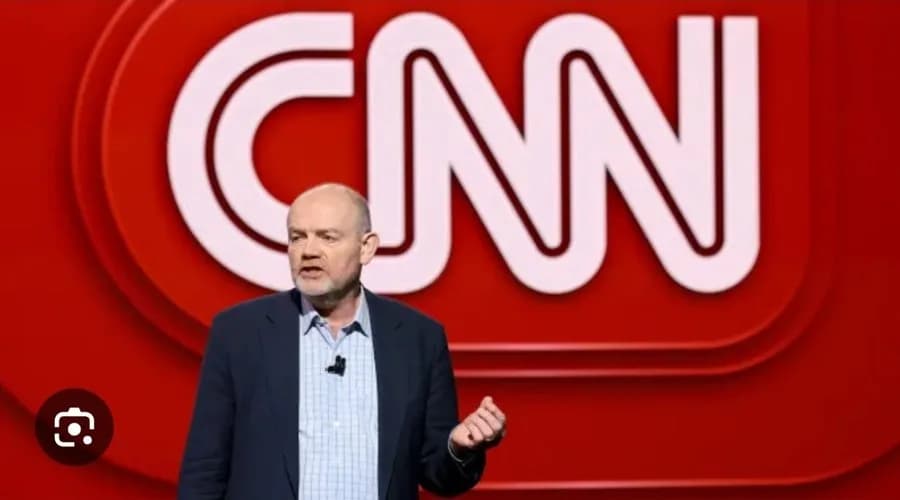
 Linkedin
 Threads
 Facebook
 X
X
CNN has officially changed hands, and the political implications could be enormous.
On October 6, Paramount Skydance completed its acquisition of Warner Bros. Discovery, bringing CNN and CBS News under the same corporate umbrella in a transaction valued at approximately $110 billion, including debt.
The new media giant, renamed Skydance, is led by David Ellison, whose father, Oracle billionaire Larry Ellison, helped finance the acquisition.
Larry Ellison is also a major Republican donor and Trump supporter. According to The Wall Street Journal, he contributed approximately $45 million to an organization supporting Trump's 2024 presidential campaign.
The family that helped build one of America's most influential technology empires now controls two of its most recognizable television news organizations.
And that could become a significant turning point.
Can CNN Rediscover What Journalism Is Supposed to Be?
Let's recognize something important: this was a corporate acquisition, not an announcement that CNN would become a conservative television network.
Nevertheless, new ownership creates opportunities to reconsider business models, editorial priorities, leadership structures, and the relationship between news organizations and their audiences.
And CNN has a serious challenge.
For years, conservative Americans have accused CNN, CBS, MS NOW, and other major news outlets of approaching Donald Trump through an overwhelmingly negative editorial lens.
The criticism is not necessarily that every individual report is inaccurate. It concerns the larger pattern of editorial decisions: which stories receive prominence, which achievements are minimized, which controversies dominate coverage, and how headlines frame the president's actions.
There is a running joke on social media that Trump could discover the cure for cancer and certain newsrooms would lead with the millions of doctors who might lose their jobs.
The exaggeration makes a serious point.
When audiences begin anticipating the negative headline before the event even happens, a news organization has a credibility problem worth examining.
Journalism should investigate government, including the Trump administration. That responsibility is fundamental.
But scrutiny should not become a predetermined conclusion.
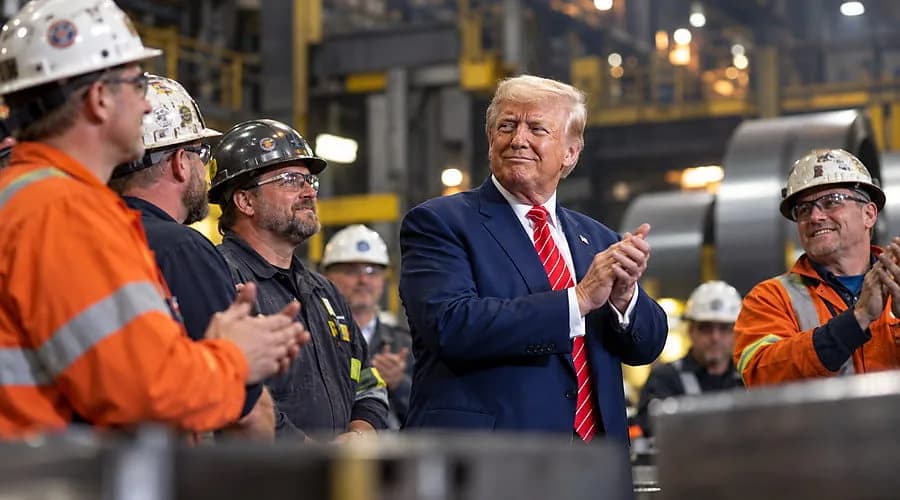
If the administration announces a major manufacturing investment, viewers deserve to understand the investment, projected employment, strategic consequences, and economic benefits—not merely the political objections.
The facts should determine the story, not the other way around.
What Happens to CNN's Famous Faces?
David Ellison has promised editorial independence, and CNN's Mark Thompson remains chairman and editor-in-chief.
CBS News continues under Bari Weiss, whose appointment already represented a significant change in that network's leadership.
The merger agreement also requires a five-member editorial independence board overseeing standards at CNN and CBS.
But corporate restructuring could eventually create additional organizational changes.
And what about Kaitlan Collins?
The CNN anchor has become widely recognized for her confrontational exchanges with President Trump.
Will she be fired?
The internet may enjoy speculating, but there is no verified announcement suggesting Collins is losing her position.
Perhaps the more interesting question is whether CNN's journalists will eventually operate within a different editorial culture—one that evaluates political events with greater consistency regardless of who occupies the White House.
The Opportunity Is Bigger Than Politics
The Ellisons are acquiring far more than television studios and newsrooms.
They are assembling an entertainment, broadcasting, and streaming empire at a moment when traditional media companies are fighting for relevance against social platforms, podcasts, independent publishers, and emerging technologies.
Restoring public confidence could become one of the most valuable assets in that transformation.
CNN does not need to become Fox News. Nor should CBS become a promotional instrument for any administration.
What American journalism needs is a newsroom culture willing to examine its own assumptions as aggressively as it examines the people in power.
The acquisition is complete. The leadership is in place. And the opportunity for institutional renewal is real.
For decades, CNN helped shape how Americans interpreted Washington. Now a new generation of owners has an opportunity to reshape how CNN understands its responsibility to America.
The most consequential acquisition may not be the television network itself. It may be the opportunity to recover the audience's trust.