 3 min read
 3
3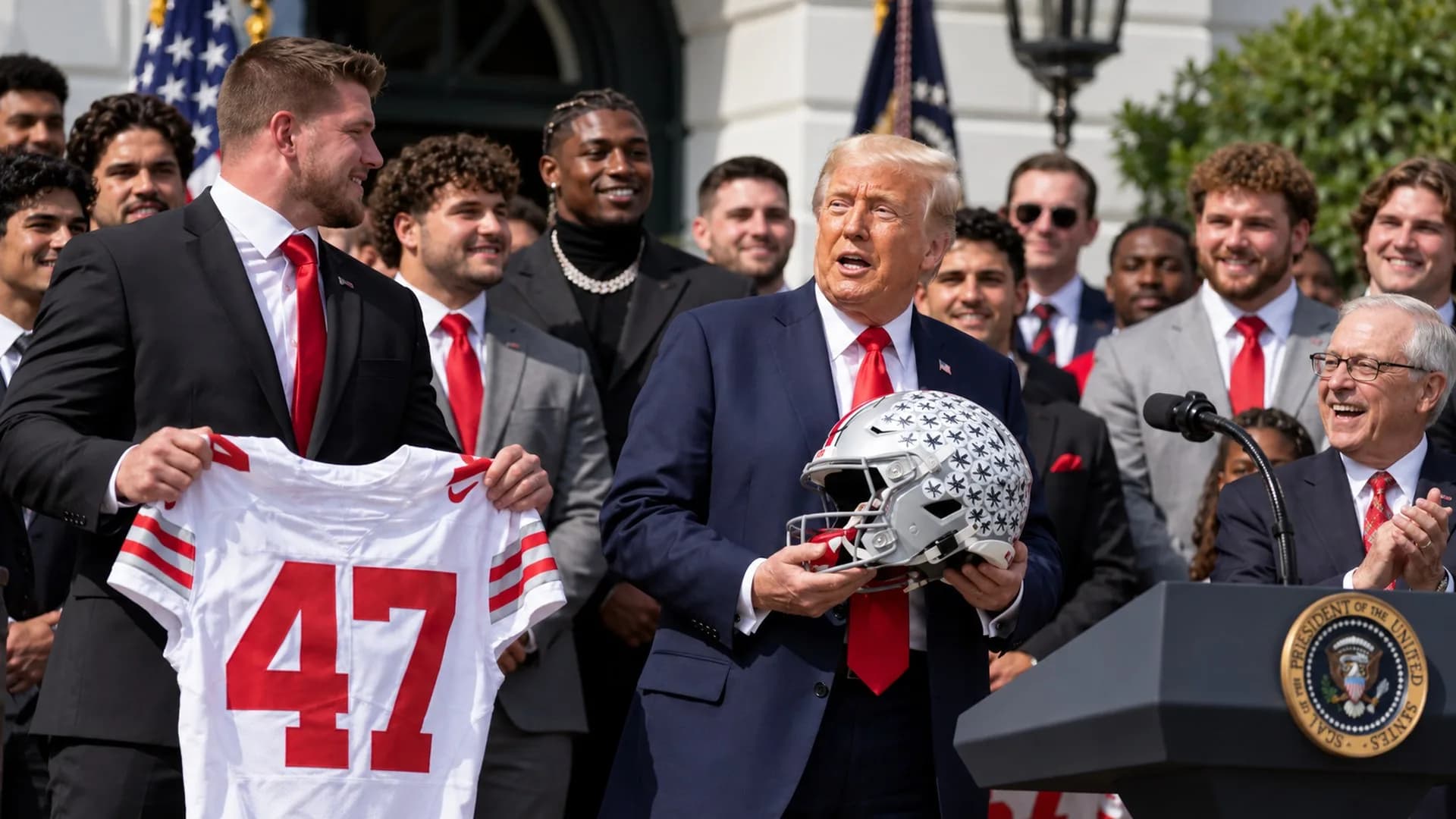
 Linkedin
 Threads
 Facebook
 X
X
For decades, college sports operated under a contradiction everybody understood but rarely challenged directly.
Universities generated billions of dollars from television rights, packed stadiums and sponsorships. Coaches earned millions. Conferences became national entertainment businesses.
Yet the athletes remained officially tied to an amateur system.
That world is disappearing.
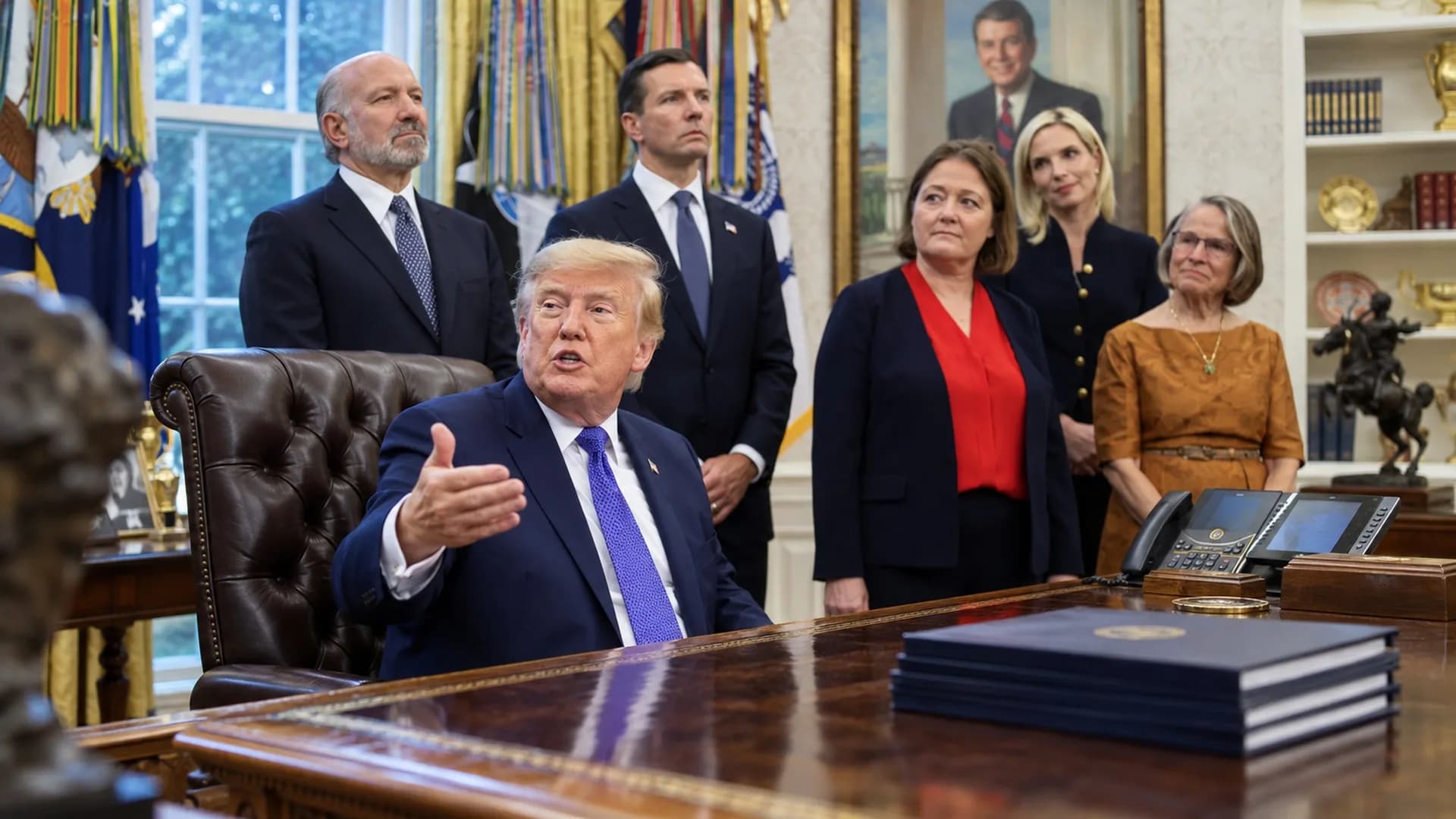
On September 28, President Donald Trump called on Congress to pass the Protect College Sports Act, arguing that litigation, name-image-and-likeness payments, transfer rules and direct revenue sharing have created a system with no consistent national framework. The White House warned that scholarships, roster positions, women's sports, Olympic programs and some of the traditions surrounding college athletics could eventually become collateral damage.
Hours later, the Senate moved dramatically in Trump's direction.
By a bipartisan 77-22 vote, senators approved the legislation, sending perhaps the most consequential federal intervention in college athletics in decades toward the House of Representatives.
So what exactly is Washington trying to save?
And why does college football suddenly require Congress?
The old system already broke
The starting point is not Trump's announcement.
It is what happened to college athletics before it.
A landmark 2025 court settlement in House v. NCAA fundamentally changed the economics of college sports. Schools participating in the new framework became able to share tens of millions of dollars directly with athletes each year, while new rules attempted to distinguish legitimate NIL business deals from payments designed principally to recruit players.
At the same time, transfer rules became dramatically more permissive.
Players can move between schools far more easily than in previous generations. NIL collectives and outside organizations can offer compensation. Universities are competing not only with scholarships, facilities and coaching staffs, but increasingly with money.
That has created opportunity for athletes who spent decades generating enormous value without participating directly in much of the revenue.
It has also created something approaching a professional sports marketplace without the collective bargaining agreements, salary structures, contracts or nationwide rules that govern professional leagues.
That contradiction is becoming harder to manage.
AP reported that some college football roster payrolls now exceed $40 million. Under the current settlement framework, schools can share approximately $21.5 million directly with athletes, while the Senate legislation would allow some institutions to make significantly more available through an additional retention system.
College football is becoming a business that increasingly behaves like professional football.
Except it is still attached to universities.
That is the problem Congress is attempting to solve.
Trump's argument is about stability
The White House's case is relatively straightforward.
Washington cannot reverse NIL.
Nor does the administration argue that athletes should return to an era in which everyone surrounding a star quarterback could profit except the quarterback himself.
Instead, Trump is asking Congress to establish national rules.
The White House specifically points to uncertainty surrounding NIL contracts, player eligibility, transfers and revenue sharing, arguing that continuing to regulate those issues primarily through lawsuits and competing state policies is unsustainable.
The Senate bill tries to create those guardrails.
It would give the NCAA limited antitrust protections to enforce national rules. Athletes would generally receive one transfer during a five-year eligibility period without being required to sit out a season, subject to exceptions. Agent fees would be capped. Scholarships and health coverage would receive additional protections. Schools would face minimum requirements involving sports and roster positions.
The legislation even reaches into conference realignment.
It would restrict conferences from expanding beyond 20 schools and require institutions changing conferences to spend a period as independents, an attempt to slow the consolidation that has dismantled some historic regional rivalries.
That tells us something about how large this debate has become.
Congress is no longer talking only about whether an athlete should receive $50,000 for appearing in an advertisement.
It is discussing who can pay players, how much schools can distribute, how often players can leave, how conferences are constructed and what authority the NCAA will retain.
This is effectively an attempt to write a constitution for the new era of college sports.
The sports nobody watches may have the most to lose
Football receives most of the headlines because football generates much of the money.
But the White House repeatedly emphasizes something else: women's sports and Olympic sports.
Why?
Because universities do not operate athletic departments where every program pays for itself.
Revenue from football and men's basketball often supports swimming, track and field, gymnastics, wrestling, volleyball and other sports that may produce elite athletes but relatively little commercial revenue.
Once schools begin directing tens of millions of additional dollars toward athletes in the sports generating the most revenue, administrators face an obvious economic question:
Where does the rest of the money come from?
The Protect College Sports Act attempts to prevent that pressure from simply eliminating smaller programs. The Senate Commerce Committee says the legislation would require schools to maintain minimum numbers of sports and athletic opportunities, specifically seeking to preserve women's and Olympic programs.
That concern is larger than college campuses.
The American Olympic system has historically depended heavily on universities to train elite athletes in sports that do not support major professional leagues.
If collegiate wrestling, swimming, track, gymnastics or similar programs begin disappearing because athletic budgets become concentrated around football and basketball compensation, the effect eventually reaches Team USA.
That helps explain why organizations connected to Olympic athletics have backed the legislation.
Women's sports are part of Trump's broader record — but not the entire bill
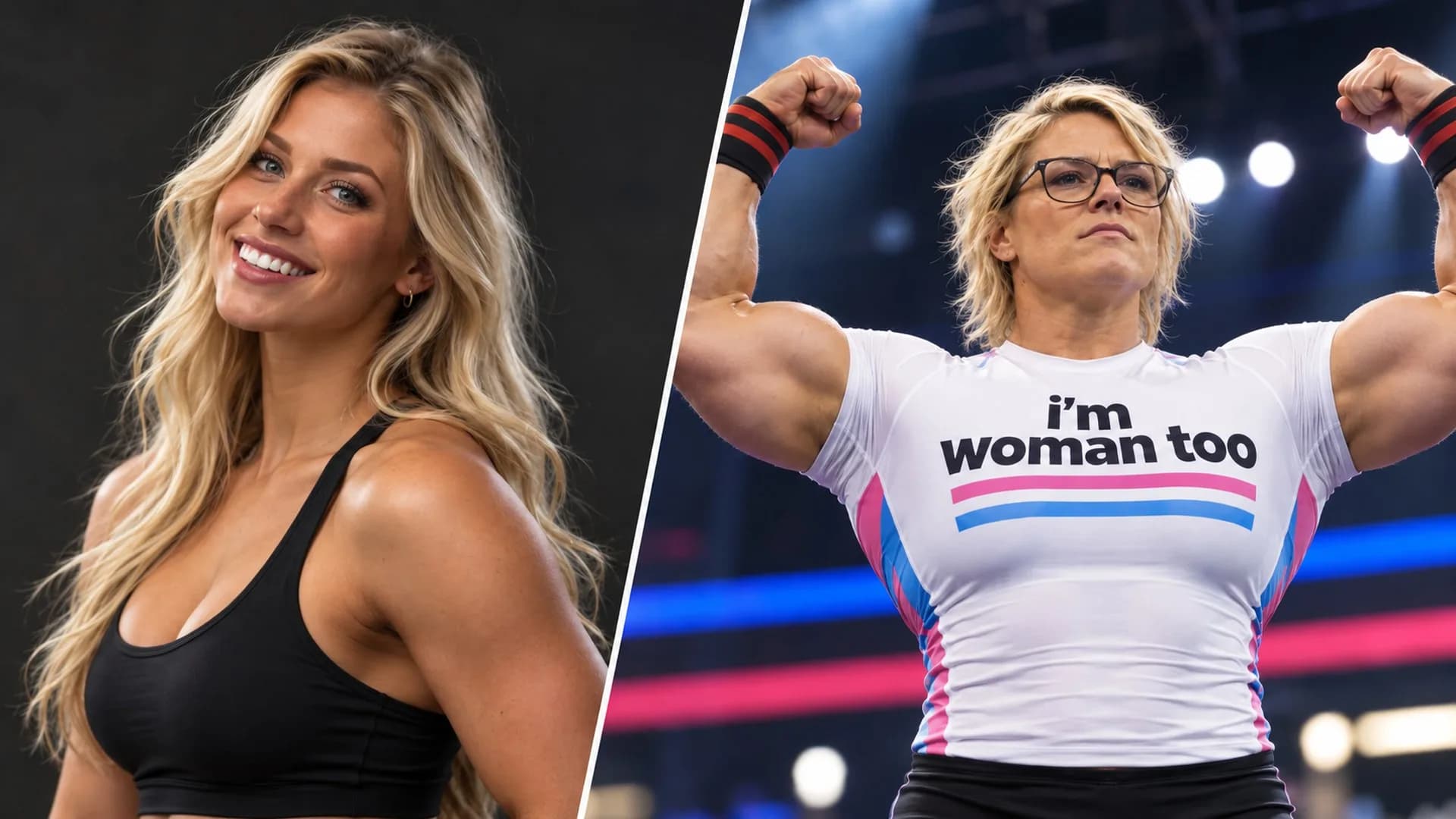
The White House also uses the announcement to highlight Trump's previous actions involving women's athletics, including his executive order directing federal policy toward sex-based eligibility standards.
That issue will continue producing political and legal fights.
But it is important to distinguish it from the legislation currently moving through Congress.
The Protect College Sports Act is much broader.
Its central purpose is not transgender eligibility. It is the economic and regulatory structure of college athletics itself: athlete compensation, transfers, scholarships, healthcare, NCAA authority, conference organization and the survival of programs that may not produce substantial revenue.
That distinction actually makes the current story more significant.
This is not simply another cultural debate wrapped around sports.
The underlying business model of American college athletics is being rewritten.
There is serious opposition
A