 3 min read
 4
4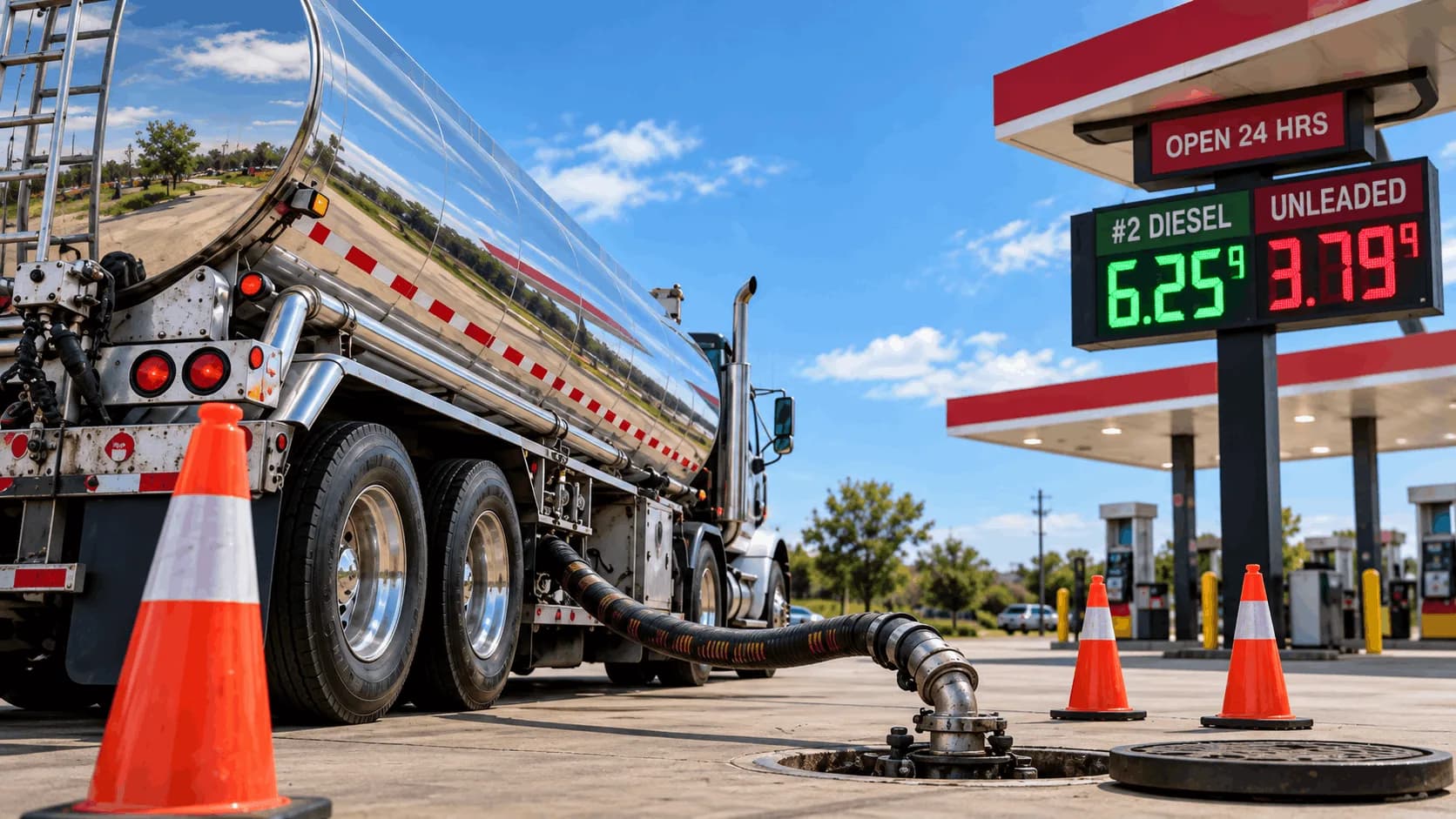
 Linkedin
 Threads
 Facebook
 X
X
Trump Moves on Diesel Prices — and That Could Reach Your Grocery Bill
The White House is moving directly at one of the costs buried inside almost everything Americans buy: diesel. President Trump has temporarily opened tax-exempt dyed diesel to highway use and ordered federal tax relief through the end of the year, with the administration estimating savings of up to $100 on some truck fill-ups. The significance goes far beyond truck stops—diesel helps move food, construction materials, livestock and consumer goods across America.
Americans usually notice inflation at the grocery store.
But many of those prices begin somewhere else.
On a farm.
Inside a warehouse.
At a construction site.
Or inside the fuel tanks of the trucks carrying products hundreds of miles before they ever reach a shelf.
That is why the White House’s new diesel order deserves attention.
President Donald Trump signed an executive order October 5 directing the Treasury Department to provide temporary relief from certain federal diesel-tax obligations and penalties while allowing dyed diesel—normally reserved for tax-exempt off-road use—to be used legally on highways through December 31.
The administration says the change could save some drivers as much as $100 per fill-up, particularly operators filling the large tanks used by commercial trucks.
Why Diesel Matters to Everyone
This is not simply relief for truck drivers.
Diesel prices move through the economy.
Farmers use diesel to operate equipment and move crops.
Ranchers use it transporting livestock.
Truckers move groceries, building supplies, machinery and almost every category of physical product consumed in the country.
When those transportation costs rise sharply, businesses eventually have to absorb them, reduce margins or pass part of the increase to customers.
That is why the American Farm Bureau Federation welcomed the order, arguing that lower fuel costs for agriculture can ultimately affect prices farther down the supply chain.
The administration’s strategy is straightforward:
attack one of the costs underneath the final price.
What the Order Actually Does
Dyed diesel is chemically similar to ordinary highway diesel but is normally exempt from highway taxes because it is used in farm equipment, construction machinery and other off-road applications.
The executive order tells Treasury to determine whether it can defer eligible federal diesel excise-tax liabilities incurred between October 5 and December 31 without penalties or interest.
It also directs the IRS not to impose certain penalties when dyed diesel is sold or used on highways during the relief period.
There is an important technical distinction.
The order currently defers applicable federal taxes; it does not automatically erase them. Trump also directed Treasury to explore legal or legislative options for permanently forgiving those deferred obligations.
The administration is also asking states to consider corresponding relief and directing federal agencies to make sure increased highway use does not drain the dyed-diesel supply farmers need during harvest season.
The Pressure Is Real
The action comes as diesel markets remain under severe pressure from restricted global supplies.
The Wall Street Journal recently reported national diesel prices around $6.50 per gallon, with independent truckers among the businesses feeling the most immediate financial strain.
That makes the administration’s timing important.
This is not a long-term theoretical tax plan.
It is an attempt to reduce costs while farmers are harvesting and transportation companies are paying unusually high fuel bills.
Energy Secretary Chris Wright said truckers could begin seeing relief within days as the new policy is implemented.
Bringing Costs Down Means Looking Beneath the Price Tag
Washington cannot dictate the price of every gallon of diesel.
Global supply, refinery capacity, war, transportation constraints and state taxes all matter.
But government can influence costs created by its own rules.
And that is what makes this action different.
Rather than sending another temporary payment after prices rise, the administration is attempting to remove part of the expense before it moves through the supply chain.
Whether the savings ultimately reach consumers will depend on how widely the fuel becomes available, how states respond and what happens to global diesel supply.
But the direction is clear:
The White House is treating affordability as more than a number in an inflation report. It is going after the costs that businesses encounter before Americans ever arrive at the checkout line.