 3 min read
 3
3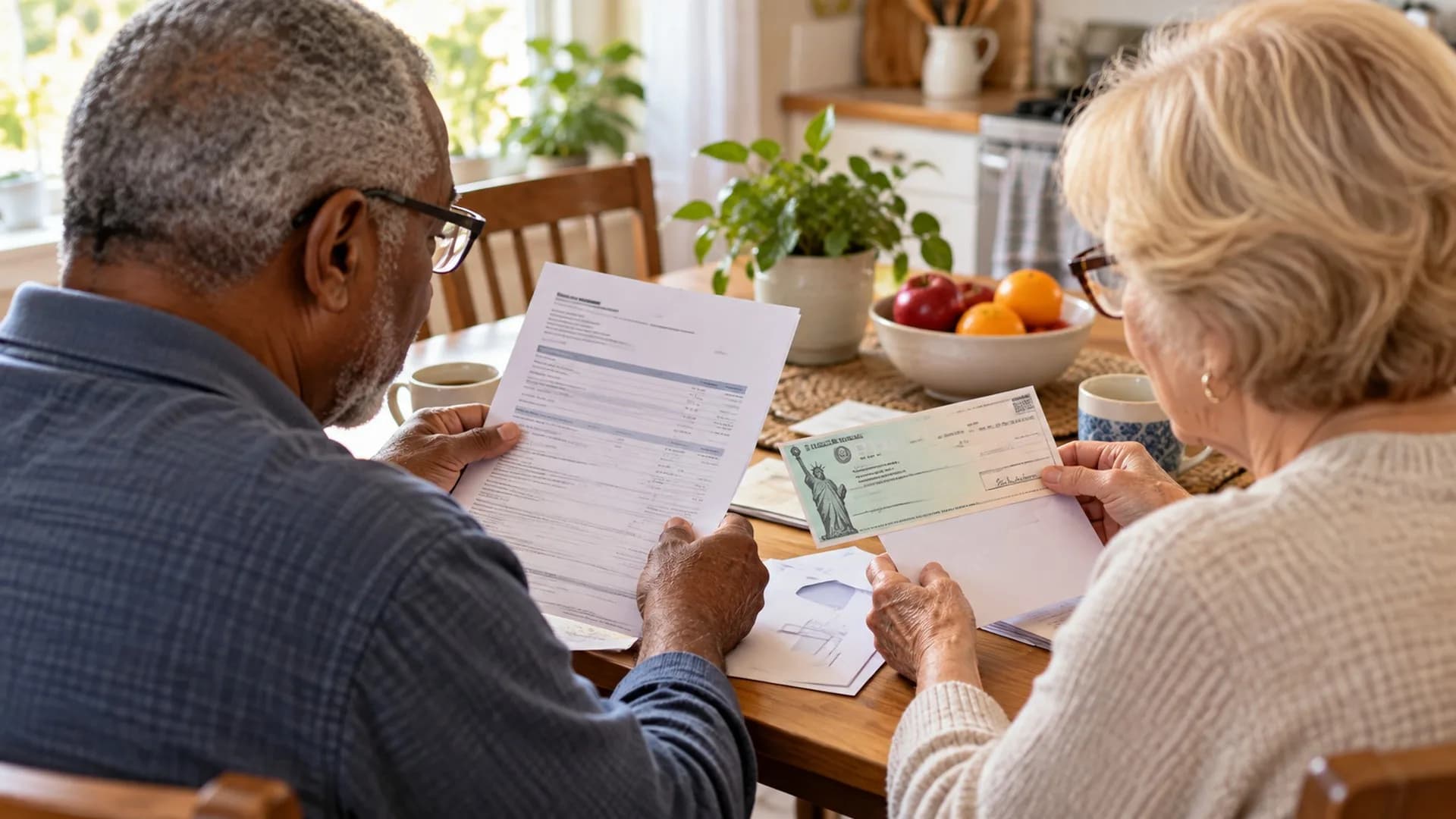
 Linkedin
 Threads
 Facebook
 X
X
President Donald Trump is opening October with another direct healthcare payment to Americans.
And this one follows an even larger individual refund already announced: nearly one million Americans in 30 states are also expected to receive $500 each beginning this month, money the Trump administration says represents excess Affordable Care Act exchange fees that accumulated under the previous administration.
Now comes Medicare.
The White House announced that more than 20 million eligible Medicare Part B beneficiaries will receive a one-time $90 premium rebate, financed through the Medicare Improvement Fund. Most recipients with direct deposit should see the payment around October 8, while others will receive Treasury checks later in the month.
It is easy to dismiss $90 in Washington.
Washington speaks in billions and trillions.
But Washington does not buy groceries for a retired couple.
It does not stand at the pharmacy counter deciding whether to refill everything this week.
It does not open the electric bill.
For somebody living carefully on Social Security and retirement savings, $90 is still $90.
And there is something larger behind the payment.
The Money Was Already There
Congress created the Medicare Improvement Fund in 2008 to support improvements to traditional Medicare.
According to CMS, Congress has repeatedly moved money out of that fund over the years to offset spending elsewhere. What had never happened was a president using it to send a premium rebate directly to beneficiaries.
Trump's decision changes that.
The administration is effectively asking a very simple question:
If money was appropriated to improve Medicare, why shouldn't some of it directly help the people paying Medicare premiums?
That is the kind of government logic ordinary Americans understand.
Not another office.
Not another consultant.
Not another complicated program requiring people to discover whether they qualify.
A deposit.
A check.
Money returned to the beneficiary.
The payment will not reach every Medicare enrollee. People whose Part B premiums are already paid through Medicaid and higher-income beneficiaries paying an Income-Related Monthly Adjustment Amount generally will not qualify.
But for most eligible Part B beneficiaries, the administration says the process should be automatic.
Then Look at the $500 Refunds
The Medicare payment is also part of a broader healthcare strategy emerging from the administration.
In September, Trump announced $500 refunds for nearly one million people who purchased insurance through the federal Affordable Care Act exchange without receiving premium assistance.
The White House says federal exchange user fees collected under the Biden administration generated more money than was necessary to operate the system and were ultimately passed through to consumers in higher premiums. The Trump administration is returning part of that surplus directly to qualifying consumers.
There is an important political disagreement around how these healthcare policies should be characterized, particularly with the midterms approaching. The Guardian notes that the payments arrive during a period when control of Congress is becoming increasingly central to the national political debate.
But election timing does not change the underlying question.
Did Americans pay the money?
If they did, and government no longer needs it for the purpose for which it was collected, why shouldn't it go back?
Healthcare Is Becoming About the Price Again
Trump has also been pushing a broader effort on prescription-drug costs.
CMS finalized a new Medicare Part B drug-payment model this week designed to compare certain American drug prices with those paid internationally. The administration argues Americans have spent too much for many of the same medicines sold more cheaply in comparable countries.
The White House separately says its pharmaceutical agreements now cover most of the branded-drug market and are producing significant savings across Medicare and Medicaid, though those savings will ultimately need to be measured over time against actual patient costs and federal spending.
That broader philosophy is becoming clearer.
Instead of accepting healthcare spending simply because Washington has always spent it that way, the administration is trying to ask:
Can the drug cost less?
Can the premium cost less?
Is there unused money sitting somewhere?
Can it be returned?
That does not solve America's healthcare system.
Ninety dollars does not erase the financial pressures facing seniors.
Five hundred dollars does not make insurance inexpensive.
But government policy does not always need to begin with another trillion-dollar promise.
Sometimes it can begin by looking at money already collected and asking whether the American who paid it should get some of it back.
For millions of seniors, that answer is arriving this month.
Not as another Washington announcement.
As money in their account.