


 2 min read
 6
 Linkedin
 Threads
 Facebook
 X

A wave of new industrial investments is reaching communities across the United States, bringing opportunities for American workers, manufacturers, farmers, and entrepreneurs.
On October 26, the White House outlined initiatives across 11 states, including major private investments and federal programs supporting strategically important industries.
The announcements span automobile production in Georgia, semiconductor manufacturing in North Carolina, fertilizer production in Nebraska, energy infrastructure in Iowa and Alaska, and naval shipbuilding in Maryland.
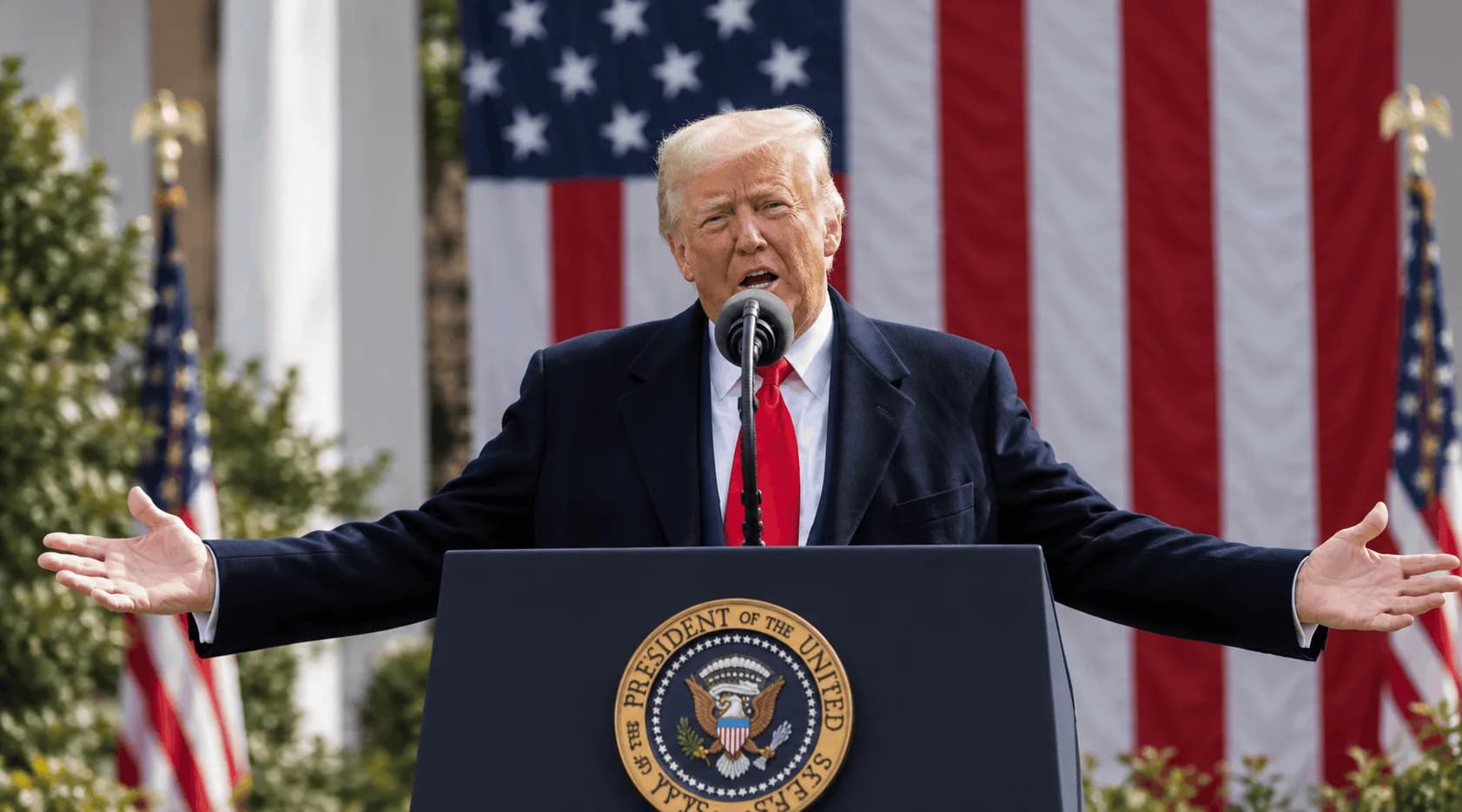
President Donald Trump's administration describes these developments as part of its strategy to expand domestic production and strengthen American supply chains.
The broader significance is straightforward: industrial investment creates demand for skills, equipment, transportation, construction, and services throughout the economy.
Georgia and Maryland Lead Major Manufacturing Projects
One of the largest announcements involves German automaker Audi, which plans to establish its first American production facility near Macon, Georgia.
Audi estimates an investment of approximately $4 billion, while the White House places the figure at $4.2 billion.
The facility is expected to support approximately 4,500 jobs and produce up to 200,000 vehicles annually.
Construction is scheduled to begin in 2027, with production planned for the early 2030s.
For Georgia, the project could attract suppliers, specialized contractors, and workforce-training partnerships.
Maryland is receiving another major industrial commitment.
The U.S. Navy and defense technology company Anduril have announced a $6.6 billion initiative involving a new software-defined shipyard, Arsenal-2, in Baltimore.
The project is intended to strengthen America's submarine industrial base through advanced manufacturing and digitally integrated production.
These investments illustrate two different priorities: expanding consumer manufacturing and strengthening equipment production essential to national defense.
Semiconductors and Energy Support America's Technology Future
North Carolina is positioned to benefit from up to $1.5 billion in federal financing commitments supporting Wolfspeed's semiconductor manufacturing capabilities.
The company specializes in silicon carbide technology, which is important for high-performance electronics, electrical systems, and industrial applications.
Meanwhile, Sibelco is expanding high-purity quartz production in Mitchell County, supporting materials used throughout semiconductor manufacturing.
In Iowa, the Department of Energy plans to deploy $150 million under the Defense Production Act to help restart refining operations and increase domestic fuel-production capacity.
Alaska is also attracting attention through a reported $4.4 billion Taiwanese investment associated with a major natural gas project.
An additional $162 million federal broadband investment is intended to improve connectivity across the state.
Together, these initiatives address a fundamental challenge: advanced technology requires dependable electricity, specialized materials, and modern infrastructure.
Farmers and Rural Communities Are Part of the Strategy
The administration's industrial agenda also extends to agriculture.
In Nebraska, the Agriculture Department has announced $1.3 billion in support for domestic fertilizer manufacturing, including projects involving TalusAg.
Increasing American fertilizer production could strengthen supply reliability for farmers who depend on these essential inputs.
Kansas farmers are receiving attention through the Harvest Fuel Relief Program, with up to $8 billion in support intended to offset elevated diesel expenses.
Diesel powers agricultural machinery and transportation systems, making its cost an important part of farm economics.
In Florida, a $275 million workforce initiative aims to recruit and retain at least 5,000 nurses in elder-care facilities nationwide.
These programs address different needs, but they share an economic objective: supporting the workers and essential services that allow communities to function.
Why Domestic Production Matters for National Security
Additional initiatives include an $80 million pharmaceutical manufacturing investment in Kentucky, a new submarine component repair center in Ohio, and an advanced weapons testing range in Montana.
Each addresses a strategic capability.
Domestic pharmaceutical production can strengthen access to critical medicines. Naval repair facilities help maintain military readiness. Advanced testing infrastructure supports the development of emerging defense technologies.
These efforts reflect the administration's view that economic security and national security are closely connected.
Turning Investment Into Lasting Opportunity
The projects represent a mixture of private investment announcements, federal commitments, financing arrangements, and proposed facilities. Their full economic effects will develop over different timelines.
Nevertheless, the geographic reach is notable.
From automobile factories in Georgia to aerospace and defense infrastructure, the investments create potential opportunities for technical colleges, skilled workers, small suppliers, and local businesses.
The next challenge is converting financial commitments into functioning facilities, competitive products, and sustainable careers.
America's industrial future will depend on more than announcing new factories. It will depend on building the workforce, supply chains, infrastructure, and productive capacity that allow American communities to prosper for generations.